CM Sai Holds Sushasan Tihar Grievance Camp in Balodabazar
Synopsis
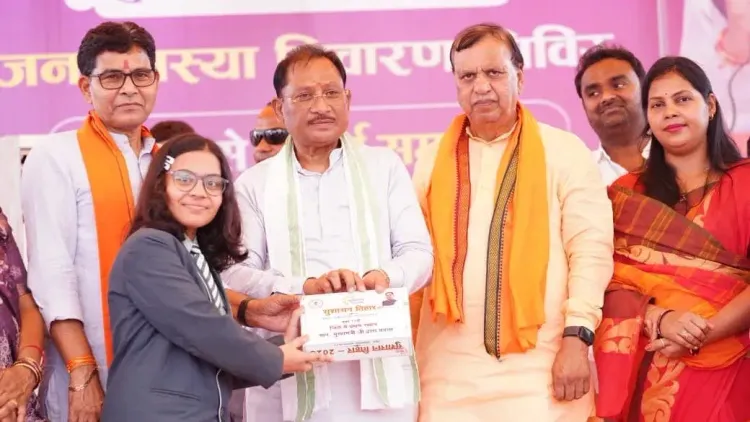
Chhattisgarh Chief Minister Vishnu Deo Sai attended the Sushasan Tihar 2026 grievance camp at Gram Karhibazar in Balodabazar-Bhatapara on 22 May, engaging residents, collecting scheme feedback, distributing welfare benefits, and directing officials to fast-track local development work.
Key Takeaways
CM Vishnu Deo Sai attended the Sushasan Tihar 2026 Jan Samasya Nivaran Shivir at Gram Karhibazar, Balodabazar-Bhatapara on 22 May 2026 .
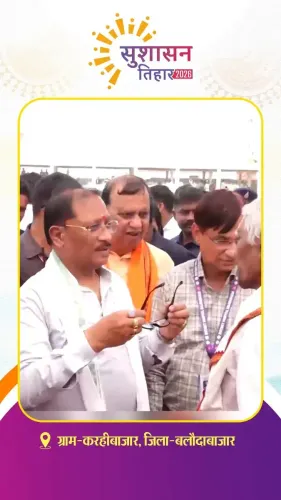
He engaged directly with area residents to collect feedback on state government schemes and welfare delivery.
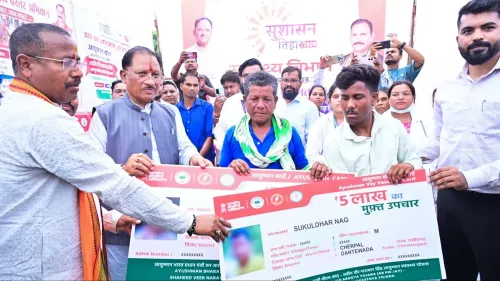
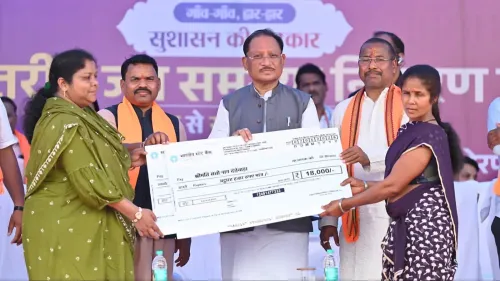
Eligible beneficiaries were linked to welfare schemes on the spot during the camp.
Officials received direct instructions from the Chief Minister to accelerate development work and resolve pending grievances swiftly.
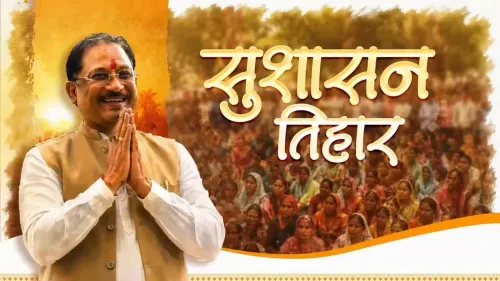
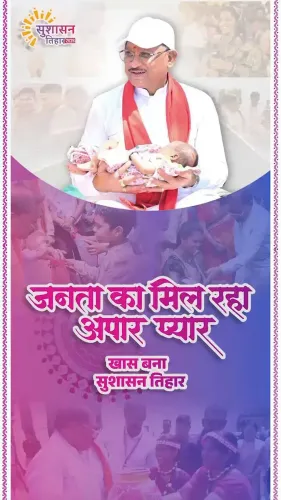
The programme operates under the #SushasanTihar2026 banner, indicating a state-wide, recurring series of village-level governance camps.
The initiative reflects the BJP government's post-2023 focus on last-mile delivery and Antyodaya -style targeting of the most marginalised households.
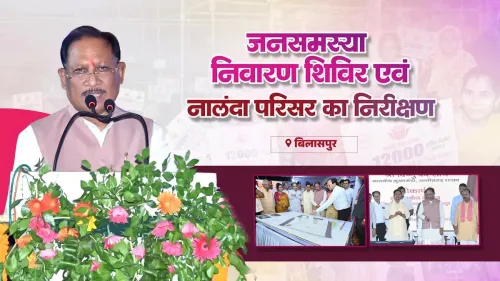
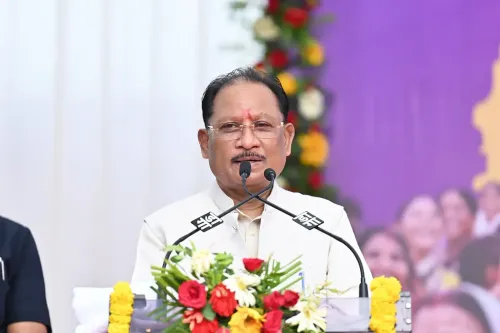
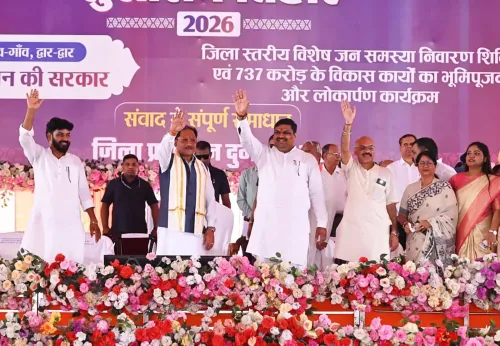
Chhattisgarh Chief Minister Vishnu Deo Sai on Friday, 22 May 2026 attended a public grievance redressal camp under the Sushasan Tihar 2026 initiative at Gram Karhibazar in Balodabazar-Bhatapara district, engaging directly with residents, collecting feedback on government schemes, and distributing welfare benefits to eligible beneficiaries.
Context
Posting on X, CM Sai stated: 'गांव-गांव तक जनसुविधाओं का विस्तार और आमजन की समस्याओं का त्वरित समाधान ही सुशासन का वास्तविक आधार है' ('Extending public amenities to every village and swift resolution of common people's problems is the true foundation of good governance'). He described the event as a Jan Samasya Nivaran Shivir — a public problem-resolution camp — where he personally interacted with area residents and directed officials to accelerate development work in line with people's expectations. The Chief Minister added that his government is 'continuously committed to delivering the benefits of development to the last person through public service, transparency, and sensitive administration.'
The camp was held under the hashtag #SushasanTihar2026, indicating a structured, state-wide series of such events rather than a standalone initiative.
Policy Backdrop
The Sushasan Tihar ('Good Governance Festival') is a signature programme of the BJP government in Chhattisgarh, which came to power following the December 2023 assembly elections. The initiative deploys officials and elected representatives directly to villages to receive grievances, verify scheme saturation, and distribute entitlements on the spot — cutting out intermediary layers.
The approach draws on the Antyodaya philosophy of prioritising the last household in the welfare chain. Similar periodic grievance camps have been scaled across multiple BJP-governed states since 2014 as a model for projecting responsive administration and reducing leakage in scheme delivery. In Chhattisgarh, the programme has particular salience given the state's large rural and tribal population spread across remote districts.
Stakeholders and Impact
The primary beneficiaries of the Karhibazar camp are rural residents of Balodabazar-Bhatapara district — one of Chhattisgarh's mid-central districts — who received on-site linkage to welfare schemes covering areas such as housing, agriculture support, health, and social security. Officials present were issued directions by the Chief Minister to resolve pending local grievances within defined timelines.
For the broader rural population of Chhattisgarh, the Sushasan Tihar series represents a direct feedback loop between the state government and village-level stakeholders, bypassing bureaucratic delays that have historically slowed last-mile delivery in the state.
What's Next
The use of the 2026 suffix in #SushasanTihar2026 signals that the programme is being run as an annual or recurring cycle, with the current edition expected to cover remaining districts across the state. Field feedback gathered at camps like the one in Karhibazar is expected to inform follow-up administrative orders and potentially budget reallocation toward under-served areas. The pace at which the government addresses grievances logged during these camps will be a key indicator of whether the initiative translates into measurable governance outcomes on the ground.
Point of View
The BJP government reinforces its 'accessible governance' brand ahead of future electoral cycles. The Antyodaya framing is deliberate: it positions welfare delivery not as patronage but as a rights-based, last-mile entitlement, which has proven electorally resonant in Chhattisgarh's predominantly rural and tribal constituencies. The structured use of a hashtag with a year suffix suggests institutionalisation — an attempt to make the programme a recurring, auditable feature of the state's governance calendar rather than a one-off event. Whether the feedback loops from these camps translate into measurable policy corrections will determine the programme's long-term credibility beyond optics.
NationPress
14 Oct 2026
Frequently Asked Questions
What is Sushasan Tihar in Chhattisgarh?
Sushasan Tihar ('Good Governance Festival') is a state government programme in Chhattisgarh under which officials and elected representatives visit villages to receive public grievances, verify welfare scheme delivery, and distribute entitlements directly to beneficiaries, bypassing bureaucratic layers.
What happened at the Karhibazar Sushasan Tihar camp on 22 May 2026?
Chief Minister Vishnu Deo Sai attended the Jan Samasya Nivaran Shivir at Gram Karhibazar in Balodabazar-Bhatapara district, where he interacted with residents, collected feedback on government schemes, distributed welfare benefits to eligible beneficiaries, and directed officials to resolve local problems quickly.
Who is Vishnu Deo Sai?
Vishnu Deo Sai is the Chief Minister of Chhattisgarh and a BJP leader who assumed office in December 2023 following the party's victory in the state assembly elections.
Which district is Gram Karhibazar located in?
Gram Karhibazar is located in Balodabazar-Bhatapara district in the state of Chhattisgarh, central India.
What is the goal of Sushasan Tihar 2026?
The 2026 edition of Sushasan Tihar aims to extend the camp series across all districts of Chhattisgarh, gather ground-level feedback on welfare scheme implementation, and ensure swift redressal of public grievances at the village level.