CM Vishnu Deo Sai visits Dantewada's Cherpal camp under Sushasan Tihar
Synopsis
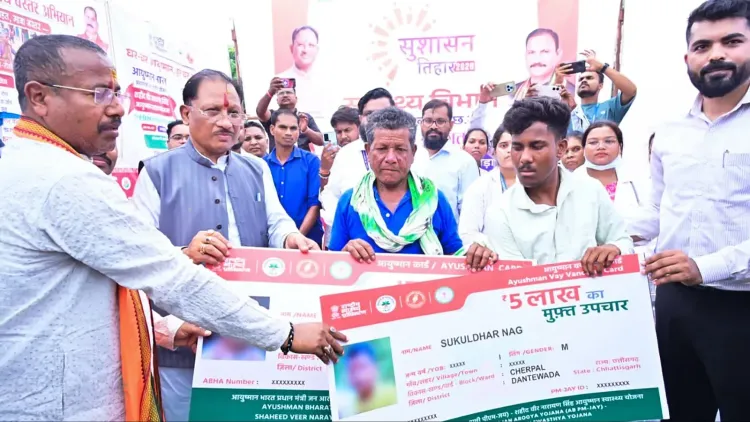
Chhattisgarh Chief Minister Vishnu Deo Sai visited a Sushasan Tihar 2026 grievance redressal camp at Cherpal gram panchayat in Dantewada, inspecting departmental stalls, distributing welfare benefits and speaking with tribal beneficiaries about scheme implementation in remote forest areas of the Bastar region.
Key Takeaways
CM Vishnu Deo Sai attended a Sushasan Tihar 2026 camp at Cherpal gram panchayat in Dantewada on June 2, 2026 .
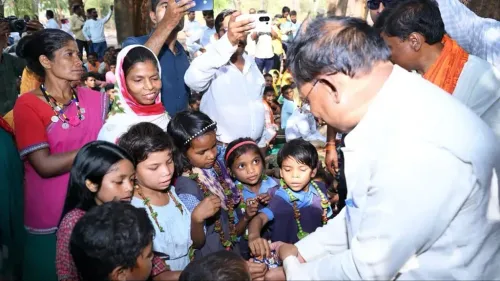
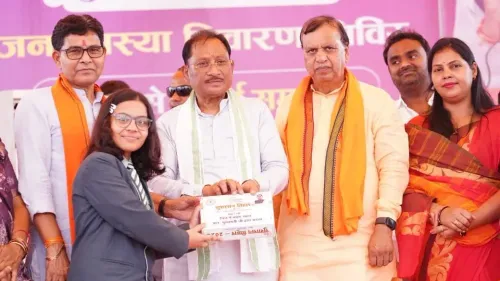
He inspected stalls set up by various departments and handed benefits to welfare scheme recipients.
The Chief Minister spoke directly with beneficiaries about implementation and outcomes.
He said welfare delivery was reaching 'remote forest areas effectively' across the state.
The camp format combines grievance redressal with on-the-spot scheme delivery in tribal blocks.
Similar camps are expected in other Bastar districts as part of the 2026 programme.
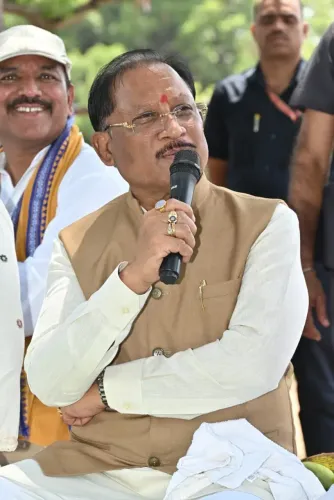
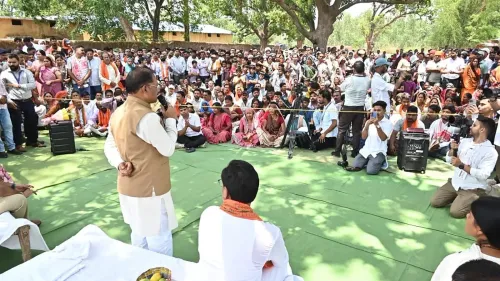
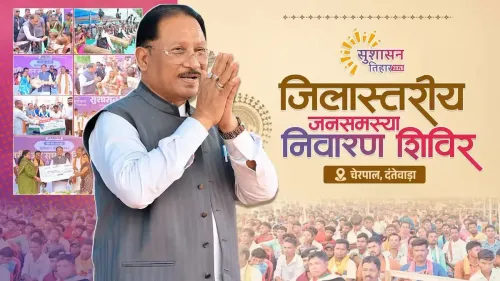
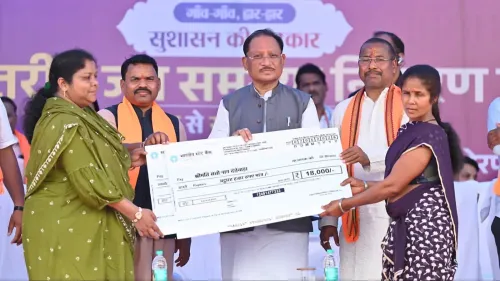
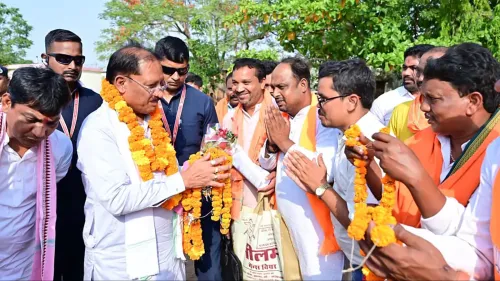
Chhattisgarh Chief Minister Vishnu Deo Sai visited a public grievance redressal camp at Cherpal gram panchayat in Dantewada district on Tuesday, June 2, 2026, as part of the state's ongoing Sushasan Tihar 2026 outreach. The Chief Minister inspected departmental stalls, handed over benefits to recipients of welfare schemes and spoke directly with villagers about the rollout of government programmes.
In his post on X, Sai said he had 'observed the stalls set up by various departments' at the jan samasya nivaran shivir (public grievance redressal camp) and 'benefitted the beneficiaries of the government's welfare schemes'. He added that interacting with recipients gave him a sense of how the schemes were being implemented and 'the positive changes brought into their lives'.
The Chief Minister described it as a 'matter of satisfaction' that welfare delivery was reaching 'remote forest areas effectively' and was becoming the basis of positive change in the lives of ordinary people. The post carried the hashtags #सुशासन_तिहार_2026 and #SushasanTihar2026.
Context
Cherpal is a village-level administrative unit in Dantewada, a southern Chhattisgarh district that forms part of the larger Bastar region. The district has a significant tribal population and a long history of being affected by left-wing extremism, which has historically complicated the rollout of central and state welfare schemes in interior pockets.
Sai, a senior BJP leader, has been Chief Minister since December 2023, when his party returned to power in the state. Welfare delivery in Bastar's Scheduled Tribe-dominated blocks has been a recurring theme of his administration's public messaging.
Policy backdrop
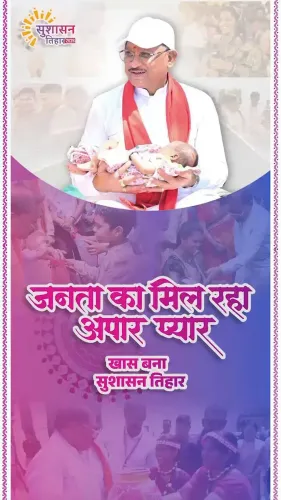
Sushasan Tihar, loosely translated as 'good governance festival', is a state outreach format that combines grievance redressal with on-the-spot delivery of welfare benefits. Multiple line departments set up stalls at a single venue so that residents of surrounding villages can submit applications, verify entitlements and receive scheme benefits in one visit.
The format builds on a wider pattern of multi-departmental camps that successive Chhattisgarh governments have used to extend housing, health, ration and livelihood schemes to remote forest hamlets. Since the 2023 assembly verdict, the BJP-led state government has placed particular emphasis on saturation of central and state schemes in Bastar districts.
Stakeholders and impact
The immediate stakeholders are tribal villagers in and around Cherpal, many of whom rely on welfare entitlements for housing, food security, health coverage and livelihood support. By moving the administrative interface to the gram panchayat, the camps reduce travel to block or district headquarters, where applicants would otherwise have to follow up across multiple offices.
For the state government, such camps double as a feedback mechanism. Sai's post emphasised that he sought first-hand accounts from beneficiaries on 'the implementation of schemes and the positive changes' they had experienced — a framing that links the outreach to both delivery and political messaging on governance.
For district officials in Dantewada, the visit also signals continued political attention to interior blocks, where security considerations and terrain have historically slowed service delivery. The presence of the Chief Minister at a panchayat-level camp is intended to anchor the programme's visibility in areas that rarely see top-level political engagement.
What's next
The Chief Minister's stop at Cherpal is part of a broader calendar of Sushasan Tihar 2026 camps expected across districts in the coming weeks. Attention will turn to similar events in other Bastar districts and to any official data the state may release on scheme saturation, grievance disposal rates and beneficiary additions through the festival.
If the camp model continues to be used as the primary delivery vehicle in interior Chhattisgarh, its measurable impact on last-mile coverage of housing, health and livelihood schemes is likely to shape both the administration's governance narrative and the political conversation in tribal constituencies ahead of future electoral cycles.
Point of View
Multi-departmental camps as the chosen vehicle for last-mile welfare in tribal Bastar. For the Sai government, Sushasan Tihar simultaneously serves as a delivery channel, a verification exercise and a political signal that the state is present in blocks long associated with Naxal influence. The real test, however, will lie in whether saturation data and grievance disposal numbers from the 2026 edition stand up to scrutiny beyond the optics of a Chief Ministerial visit. In a region where access has historically been the binding constraint, the durability of this outreach model will shape both governance outcomes and the BJP's tribal political pitch.
NationPress
18 Oct 2026
Frequently Asked Questions
What is Sushasan Tihar 2026 in Chhattisgarh?
Sushasan Tihar 2026 is a Chhattisgarh government outreach programme that organises multi-departmental camps at the gram panchayat level to deliver welfare scheme benefits and redress public grievances on the spot. Departments set up stalls so residents can access services in a single visit.
Where did CM Vishnu Deo Sai visit on June 2, 2026?
Chief Minister Vishnu Deo Sai visited a public grievance redressal camp at Cherpal gram panchayat in Dantewada district on June 2, 2026, as part of Sushasan Tihar 2026.
Why is Dantewada significant for welfare outreach?
Dantewada is a tribal-majority district in the Bastar region of southern Chhattisgarh that has historically been affected by left-wing extremism, which made last-mile delivery of welfare schemes difficult and now makes it a focus area for governance outreach.
What did the Chief Minister say about the camp?
He said he inspected departmental stalls, handed benefits to scheme recipients and spoke with beneficiaries to learn how schemes were being implemented and what positive changes they had seen in their lives, calling it satisfying that welfare was reaching remote forest areas.
Which schemes are delivered at Sushasan Tihar camps?
The camps typically cover a mix of central and state welfare schemes spanning housing, health, ration, livelihood and social security entitlements, though the specific schemes and beneficiary numbers for the 2026 edition have not been officially detailed in the Chief Minister's post.