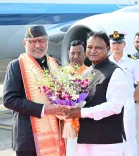
CM Vishnu Deo Sai to unveil Birsa Munda statue at Bilaspur varsity
Synopsis
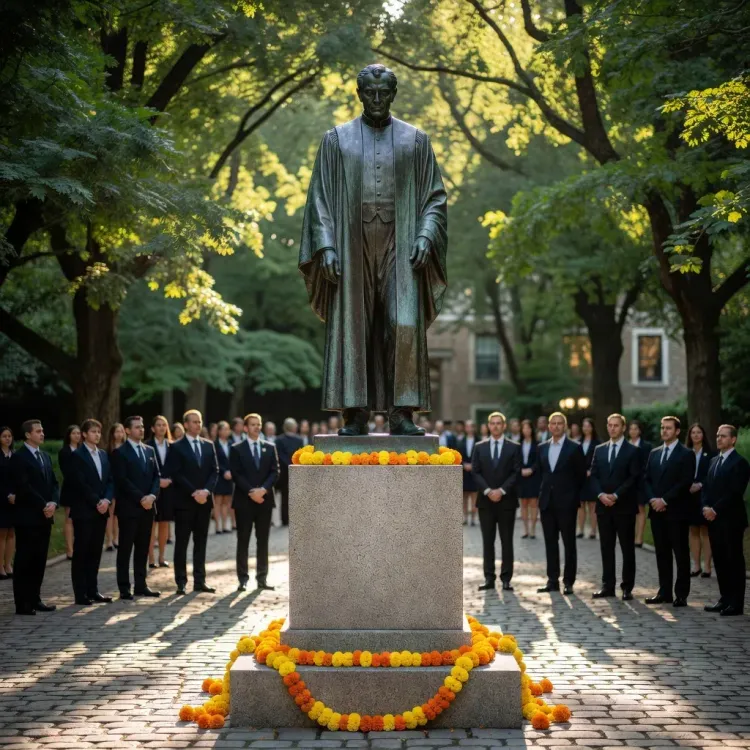
Chhattisgarh CM Vishnu Deo Sai attends the unveiling of a Birsa Munda statue at Guru Ghasidas Vishwavidyalaya, Bilaspur, on Janjatiya Gaurav Diwas — placing a tribal freedom fighter's legacy at the centre of academic life in a state where over 30 percent of residents are Scheduled Tribes.
Key Takeaways
CM Vishnu Deo Sai is participating in the unveiling of a Birsa Munda statue at Guru Ghasidas Vishwavidyalaya, Bilaspur on 16 November 2026 .
Birsa Munda (1875–1900), revered as Dharti Aaba , led the Ulgulan movement against British colonial rule and died in custody at age 25 .
The Government of India declared 15 November as Janjatiya Gaurav Diwas in 2021 to honour tribal contributions to the freedom struggle.
Guru Ghasidas Vishwavidyalaya was established in 1983 and elevated to a central university in 2009 , named after the 19th-century Satnami reformer.
Scheduled Tribes make up over 30 percent of Chhattisgarh's population, lending the statue installation significant political and cultural resonance.
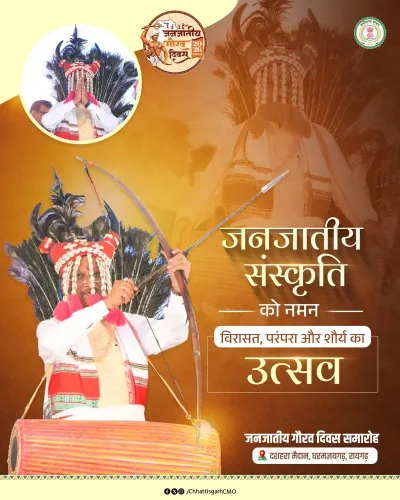
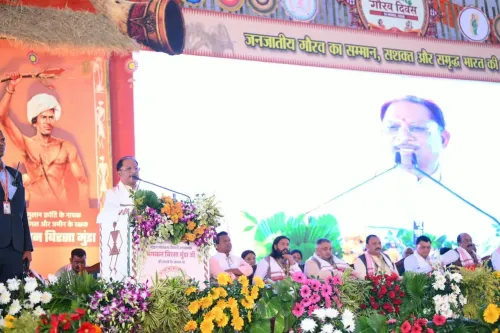
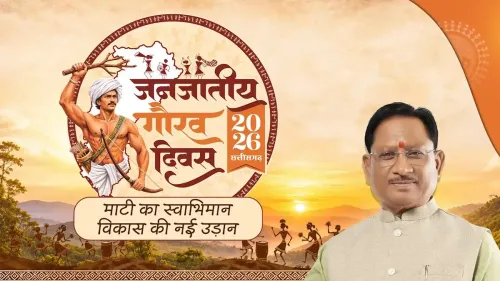
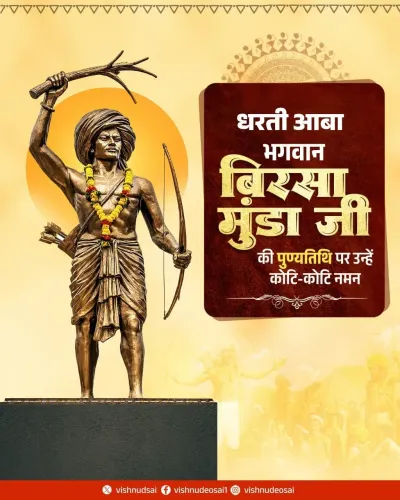
On Janjatiya Gaurav Diwas, Chhattisgarh Chief Minister Vishnu Deo Sai is set to preside over the unveiling of a statue of tribal icon and freedom fighter Birsa Munda at Guru Ghasidas Vishwavidyalaya in Bilaspur — placing one of India's most revered tribal heroes at the heart of a central university campus on the day the nation marks his birth anniversary.
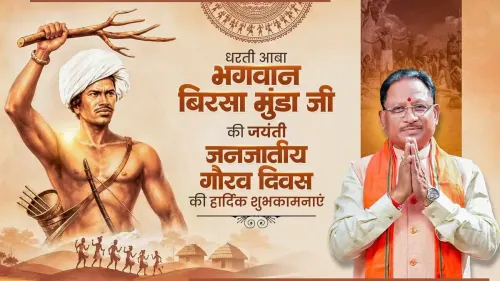
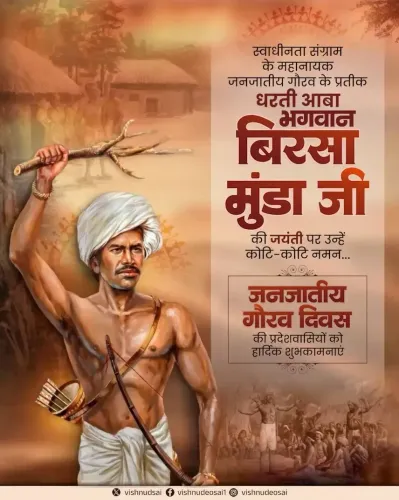
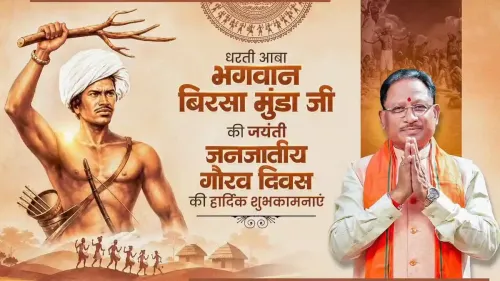
Posting on 16 November 2026, CM Sai announced his participation in the event, writing in Hindi: 'Aaj Guru Ghasidas Vishwavidyalaya Bilaspur mein Dharti Aaba Bhagwan Birsa Munda ji ki pratima ke anaavrann sahit vibhinn kaaryakramon mein sammilit rahunga' — 'Today I will participate in the unveiling of a statue of Dharti Aaba Bhagwan Birsa Munda ji and various programmes at Guru Ghasidas Vishwavidyalaya, Bilaspur.'
Who was 'Dharti Aaba' Birsa Munda?
Birsa Munda, born on 15 November 1875, led the Ulgulan — the Great Rebellion — against British colonial rule and the displacement of the Munda tribal community in present-day Jharkhand. Dying in British custody in 1900 at just 25 years of age, he is venerated as Dharti Aaba, meaning 'Father of the Earth.' His legacy sits at the intersection of tribal rights, agrarian resistance, and India's freedom struggle — a figure whose relevance across central and eastern India remains profound.
Janjatiya Gaurav Diwas and the national policy arc
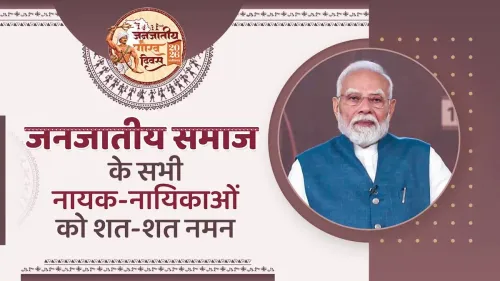
The Government of India declared 15 November as Janjatiya Gaurav Diwas in 2021, institutionalising Birsa Munda's birth anniversary as a national day of honour for tribal contributions to the freedom struggle. The 16 November ceremony in Bilaspur falls directly in the extended commemorative window, connecting the CM's presence to a nationwide observance.
Guru Ghasidas Vishwavidyalaya itself carries symbolic weight — established in 1983 and upgraded to a central university in 2009, it is named after Guru Ghasidas, the 19th-century social reformer and founder of the Satnami movement who championed the rights of oppressed communities in Chhattisgarh. Installing Birsa Munda's statue here layers two iconic tribal-heritage figures on a single campus.
Chhattisgarh's tribal demographic and state symbolism
With over 30 percent of its population belonging to Scheduled Tribes, Chhattisgarh is one of India's most tribal-intensive states. Commemorative installations in university spaces are part of a broader state-level effort to weave tribal heritage into public and academic life — making the statue unveiling more than a ceremonial act. It signals the administration's posture toward the state's largest minority community ahead of ongoing welfare and cultural programme rollouts.
When a Chief Minister personally attends a statue unveiling on a central university campus, the message to students and tribal communities is deliberate: their history belongs in the academy, not just in folklore.
Point of View
Maintaining visibility among Scheduled Tribe voters — who form over 30 percent of the state's electorate — is both cultural policy and electoral arithmetic. Installing Birsa Munda in a central university also nudges tribal history from the margins of civic memory toward institutional permanence. The pattern worth watching is whether this symbolic gesture translates into accelerated welfare scheme rollouts across Chhattisgarh's university campuses.
NationPress
16 Nov 2026
Frequently Asked Questions
Why is 15 November celebrated as Janjatiya Gaurav Diwas?
15 November is Janjatiya Gaurav Diwas because it marks the birth anniversary of tribal icon and freedom fighter Birsa Munda , born on 15 November 1875 . The Government of India designated the date in 2021 to honour the contributions of tribal communities to India's freedom struggle.
Who is Birsa Munda and why is he called Dharti Aaba?
Birsa Munda was a tribal leader from the Munda community who led the Ulgulan (Great Rebellion) against British rule and forest-rights dispossession in the late 19th century. He is called Dharti Aaba , meaning 'Father of the Earth,' in recognition of his role as a protector of tribal land and identity. He died in British custody in 1900 at the age of 25 .
Where is Guru Ghasidas Vishwavidyalaya located?
Guru Ghasidas Vishwavidyalaya is a central university located in Bilaspur, Chhattisgarh . It was established in 1983 and upgraded to a central university in 2009 , named after the 19th-century Satnami reformer Guru Ghasidas .
What events is CM Vishnu Deo Sai attending in Bilaspur on 16 November 2026?
CM Vishnu Deo Sai announced he will participate in the unveiling of a statue of Birsa Munda and various other programmes at Guru Ghasidas Vishwavidyalaya in Bilaspur on 16 November 2026 , coinciding with the extended Janjatiya Gaurav Diwas commemorations.
What percentage of Chhattisgarh's population belongs to Scheduled Tribes?
Over 30 percent of Chhattisgarh's population belongs to Scheduled Tribes, making it one of India's most tribal-intensive states and giving events like the Birsa Munda statue unveiling significant cultural and political weight.