CM Sai Visits Eklavya School in Kanker, Chats With Tribal Students
Synopsis
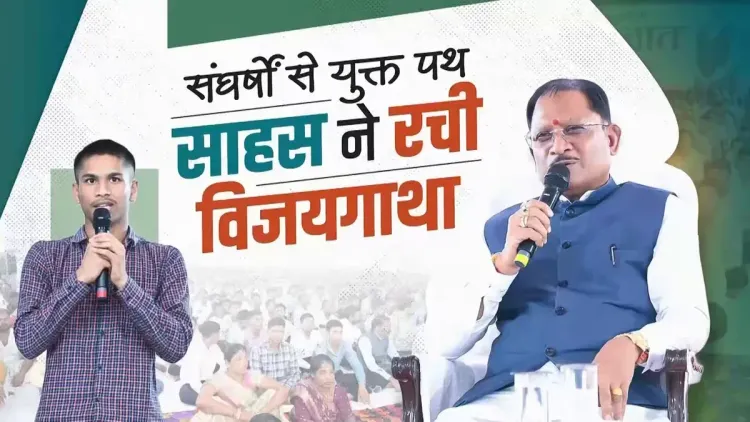
Chief Minister Vishnu Dev Sai visited the Eklavya Adarsh Awasiya Vidyalaya in Lamkanhar village, Kanker, on September 27, engaging in a warm conversation with tribal students under the long-running EMRS programme for Scheduled Tribe children.
Key Takeaways
CM Vishnu Dev Sai visited the Eklavya Adarsh Awasiya Vidyalaya in village Lamkanhar, Kanker district on September 27, 2026 .
The Chief Minister's Office described the interaction as an informal, heartfelt conversation with students, capturing their curiosity and dreams.
The Eklavya Model Residential Schools (EMRS) scheme was launched by the Ministry of Tribal Affairs in 1997-98 to provide quality education to Scheduled Tribe children in remote areas.
Kanker is a predominantly tribal district in northern Chhattisgarh with multiple EMRS institutions.
CM Sai, who took office in December 2023 , has made outreach to tribal schools a recurring part of his public engagement.
The visit was framed under the state government's #ViksitChhattisgarh and #YouthEmpowerment agenda.
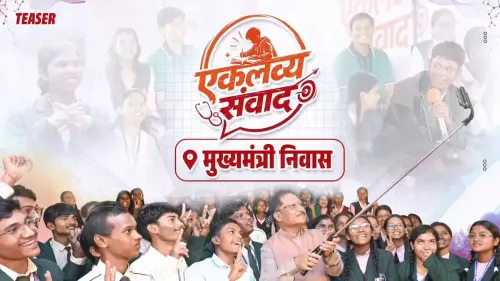
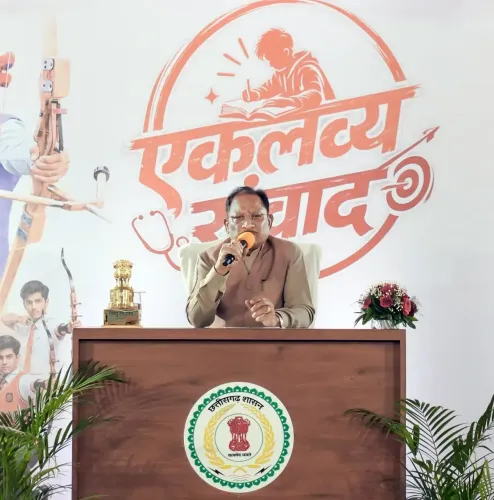
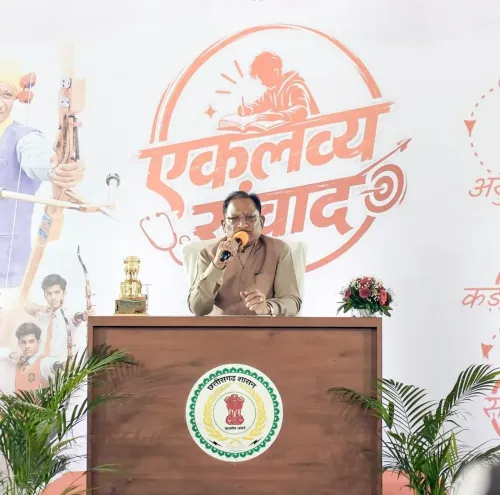
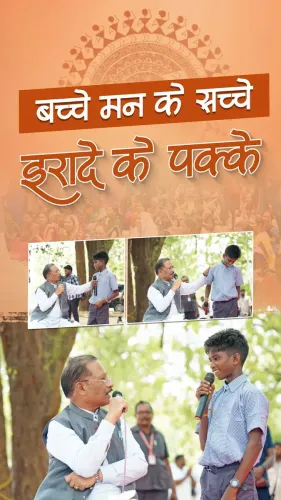
Curiosity filled the air at a remote tribal school in Kanker district on Sunday, September 27, when Chhattisgarh Chief Minister Vishnu Dev Sai sat down for an informal conversation with students at the Eklavya Adarsh Awasiya Vidyalaya in village Lamkanhar — a moment the Chief Minister's Office described as a glimpse of 'dreams brimming with curiosity and enthusiasm.'
A School Built for Tribal India's Forgotten Corners
The Eklavya Model Residential Schools (EMRS) programme is no ordinary scheme. Launched by the Ministry of Tribal Affairs in 1997-98, it was designed with one clear mission: bring quality residential education to Scheduled Tribe children in India's most remote corners, where geography and poverty routinely conspire against a child's future. Kanker, a district in northern Chhattisgarh with a predominantly tribal population, is precisely the kind of place the programme was built for.
The Lamkanhar school is one of several EMRS institutions operating across the district, housing students who would otherwise commute impossible distances — or not attend at all. For these children, the school is not just a classroom; it is home, library, and launchpad.
CM Sai Among the Students at Lamkanhar
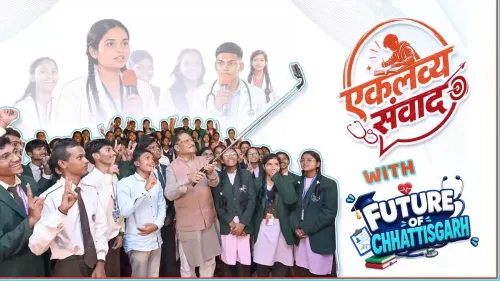
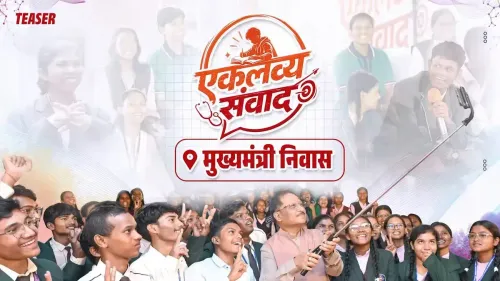
The Chief Minister's Office shared video of the interaction, capturing what it called 'aatmiya baatchit' — a heartfelt conversation — between CM Sai and the students. The footage appeared to show an unhurried exchange: young learners putting questions, a Chief Minister listening. The hashtags accompanying the post — #ViksitChhattisgarh and #YouthEmpowerment — signal how the state government is framing such outreach: as part of a broader 'developed Chhattisgarh' narrative built on tribal education.
Since taking office in December 2023, CM Sai — himself from a tribal community — has made visible engagement with EMRS schools a recurring feature of his public calendar. For a government that came to power pledging inclusive development, these visits carry both symbolic and political weight.
What the EMRS Network Means for Chhattisgarh
Chhattisgarh governments across party lines have long treated the expansion of residential schooling in tribal districts as a core lever for improving literacy and cutting dropout rates — numbers that have historically lagged national averages in the state's forested, interior districts. The EMRS network represents the central government's most sustained bet on that same idea.
The real test, of course, is not in the visit — it is in the state's budget lines for new school sanctions and in whether districts like Kanker see additional EMRS seats in coming years. That is the number to watch.
Point of View
Populated by the very communities the BJP has targeted electorally. The visit also advances the 'Viksit Chhattisgarh' branding, linking residential education to the wider developed-state narrative. Whether the optics translate into expanded EMRS capacity or improved learning outcomes in Kanker will be the harder measure of intent.
NationPress
28 Sept 2026
Frequently Asked Questions
What is the Eklavya Adarsh Awasiya Vidyalaya in Lamkanhar, Kanker?
It is a residential school under the Eklavya Model Residential Schools programme, which provides quality education to Scheduled Tribe children in remote areas. The Lamkanhar school is located in Kanker district, northern Chhattisgarh.
When did CM Vishnu Dev Sai visit the Kanker tribal school?
Chief Minister Vishnu Dev Sai visited the Eklavya Adarsh Awasiya Vidyalaya in village Lamkanhar, Kanker, on Sunday, September 27, 2026.
What is the EMRS scheme and who runs it?
The Eklavya Model Residential Schools (EMRS) scheme is run by the Ministry of Tribal Affairs and was launched in 1997-98. It funds and operates residential schools for Scheduled Tribe children in India's remote tribal regions.
Who is Vishnu Dev Sai?
Vishnu Dev Sai is a BJP leader and the Chief Minister of Chhattisgarh, in office since December 2023. He is from a tribal community himself.
Why does Chhattisgarh have so many EMRS schools?
Chhattisgarh has a large Scheduled Tribe population spread across remote, forested districts. The EMRS network was expanded in the state to address historically low literacy rates and high school dropout rates among tribal children.