Mizoram tops India in anti-drug push, 360 NMBA activities reach 1.48 lakh people
Synopsis
Mizoram ranked first in India for drug demand reduction in July 2026 — a striking achievement for a state sharing 910 km of unfenced border with Myanmar and sitting in the shadow of the Golden Triangle. With 360 awareness activities, 1,48,805 people reached, and its community-driven Hulhliap model drawing national attention, the state's playbook may soon be replicated across high-risk states.
Key Takeaways
Mizoram conducted 360 anti-drug awareness activities across all 11 districts under NMBA , reaching 1,48,805 people in three phases.
The state ranked first in India for drug demand reduction as of July 2026 , recognised at a review meeting in Aizawl .
Mizoram and Manipur share approximately 910 km of unfenced international border with Myanmar , placing them in a high-risk drug-trafficking corridor near the Golden Triangle .
The Hulhliap initiative , launched June 2025 , has admitted 2,255 persons for 20-day detoxification, treatment, and counselling camps.
The Centre has urged Mizoram to share its three-tier Drug Demand Reduction Committee model and other innovations for possible national replication.
In parallel, 613 free cataract surgeries , 475 health screenings , and 181 dementia screenings were conducted for senior citizens during 2025-26 .
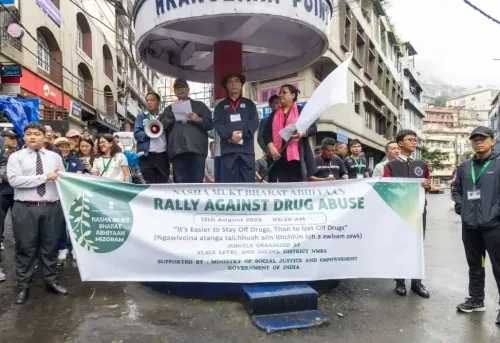
Mizoram has conducted 360 anti-drug awareness activities across all 11 districts in three phases under the Nasha Mukt Bharat Abhiyaan (NMBA), reaching 1,48,805 people, state officials confirmed on Sunday, 27 September 2026. The scale of the outreach has earned the northeastern state a national ranking of first in India for drug demand reduction efforts as of July 2026.
Why Mizoram Is a Critical Battleground
Mizoram and neighbouring Manipur have emerged as significant drug-trafficking corridors in the Northeast, owing to long and porous international borders with Myanmar and their proximity to the Golden Triangle — one of the world's largest illicit narcotics-producing regions. Six districts of Mizoram and five districts of Manipur together share approximately 910 km of unfenced international border with Myanmar, making supply-side control an ongoing challenge and placing a premium on demand reduction.
Centre's Recognition and Key Directives
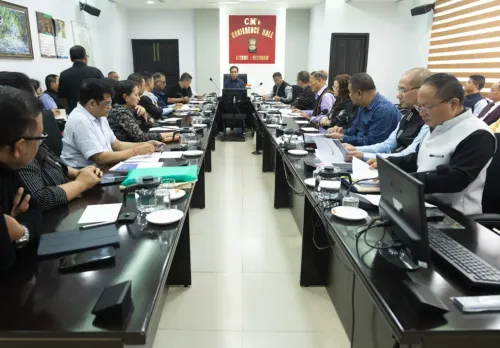
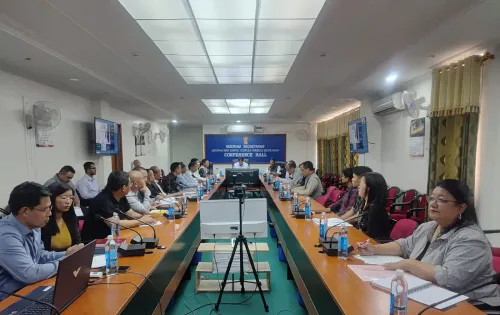
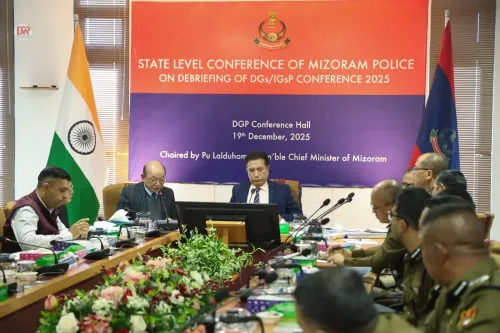
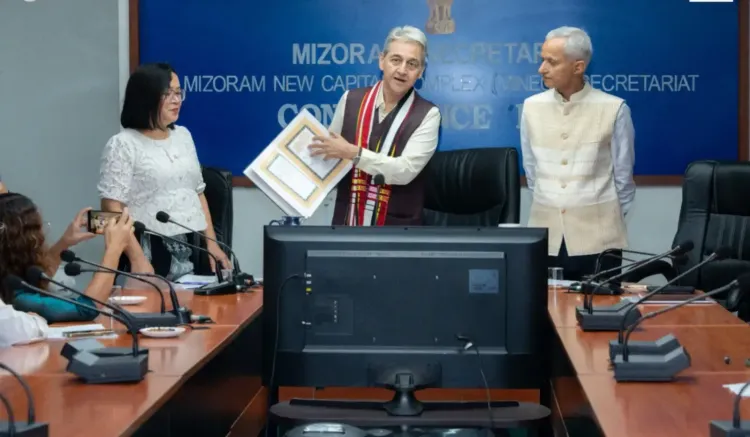
At a review meeting held in Aizawl, Sudhansh Pant, Secretary of the Union Ministry of Social Justice and Empowerment, commended the state's achievements in drug demand reduction. He urged Mizoram to sustain momentum and stressed the importance of prevention, awareness, treatment, rehabilitation, and supply reduction working in tandem. Pant also appreciated Mizoram's three-tier Drug Demand Reduction Committee mechanism and specific innovations such as the Narcotics Anonymous booklet, a Standard Operating Procedure for rehabilitation, and the accreditation framework for Drug Rehabilitation Centres. He encouraged the state to share these models with the Ministry for possible replication nationally — an endorsement that could see Mizoram's approach scaled across other high-risk states.
On-Ground Infrastructure and the Hulhliap Initiative
According to a Social Welfare Department official, State, District and Block-level Drug Demand Reduction Committees have been established for coordination and monitoring. Under the National Action Plan for Drug Demand Reduction (NAPDDR), Mizoram operates 10 Integrated Rehabilitation Centres for Addicts, District De-addiction Centres in six districts, two Outreach and Drop-in Centres, five District Treatment Facilities, and Addiction Treatment Facilities at Aizawl and Champhai District Hospitals.
The state's flagship Hulhliap initiative, launched in June 2025 for short-term care, recovery, and rehabilitation of persons affected by substance abuse, has so far admitted 2,255 persons and runs 20-day detoxification, medical treatment, and psycho-spiritual counselling camps. A follow-up Narcotics Anonymous Awareness Programme, conducted jointly with the Presbyterian Church and the Mizoram Drug Users Forum, has extended the outreach to church leaders, youth, families, and recovering drug users.
Senior Citizens Welfare Running in Parallel
Separately, Mizoram is also implementing programmes for senior citizens under the State Action Plan for Senior Citizens (SAPSrC) and Atal Vayo Abhyuday Yojana (AVYAY). During 2025-26, the state conducted 613 free cataract surgeries, 475 health screenings, and 181 dementia screenings. The State Senior Citizens Home provides residential care, healthcare, and psychosocial support, with another round of activities under implementation in 2026-27.
What Comes Next
With the Centre actively encouraging Mizoram to share its model with other states, the state's multi-layered demand-reduction architecture — spanning committees, rehabilitation centres, church networks, and community camps — could serve as a template for Northeast India's broader counter-narcotics strategy. Officials indicate implementation of fresh activities continues through the current financial year.
Point of View
Where the geography is similarly challenging but the institutional frameworks are far thinner. National rankings matter less than whether the model travels.
NationPress
28 Sept 2026
Frequently Asked Questions
What is the Nasha Mukt Bharat Abhiyaan and what has Mizoram done under it?
The Nasha Mukt Bharat Abhiyaan (NMBA) is a Central government programme aimed at reducing drug demand across India. Under it, Mizoram has conducted 360 anti-drug awareness activities across all 11 of its districts in three phases, reaching 1,48,805 people as of September 2026.
Why is Mizoram particularly vulnerable to drug trafficking?
Mizoram shares approximately 910 km of largely unfenced international border with Myanmar, and along with Manipur, sits in close proximity to the Golden Triangle — one of the world's largest illicit narcotics-producing regions. This geography makes it a major trafficking corridor in Northeast India.
What is the Hulhliap initiative and how many people has it helped?
Hulhliap is Mizoram's state-level short-term care and rehabilitation initiative for persons affected by substance abuse, launched in June 2025. It has so far admitted 2,255 persons and conducts 20-day detoxification, medical treatment, and psycho-spiritual counselling camps.
How did the Centre respond to Mizoram's anti-drug efforts?
At a review meeting in Aizawl, Union Ministry of Social Justice and Empowerment Secretary Sudhansh Pant commended Mizoram's work, noting the state ranked first in India for drug demand reduction in July 2026. He encouraged Mizoram to share its three-tier Drug Demand Reduction Committee model with the Ministry for possible replication nationally.
What rehabilitation infrastructure does Mizoram have for drug users?
Under the National Action Plan for Drug Demand Reduction (NAPDDR), Mizoram operates 10 Integrated Rehabilitation Centres for Addicts, District De-addiction Centres in six districts, two Outreach and Drop-in Centres, five District Treatment Facilities, and Addiction Treatment Facilities at Aizawl and Champhai District Hospitals.