CM Sai Visits Leprosy Ashram in Janjgir-Champa, Lauds Rehab Work
Synopsis
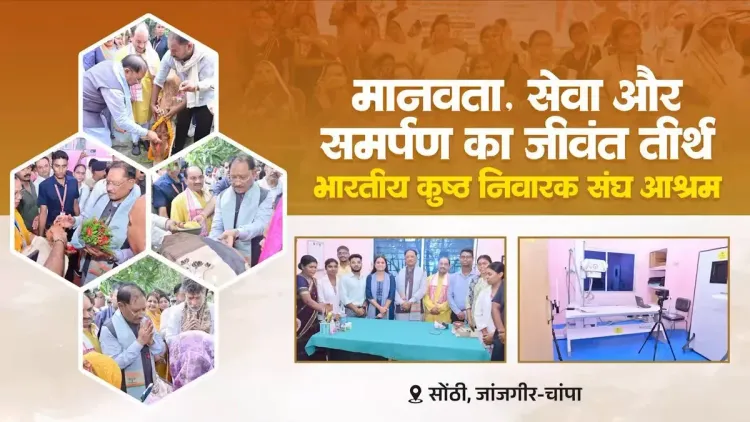
Chief Minister Vishnu Deo Sai visited the Bhartiya Kushtha Nivarak Sangh Ashram in Sonthi, Janjgir-Champa on 2 July 2026, commending decades of leprosy treatment, rehabilitation, and dignified care for affected persons in Chhattisgarh.
Key Takeaways
CM Vishnu Deo Sai visited the Bhartiya Kushtha Nivarak Sangh Ashram in Sonthi, Janjgir-Champa on 2 July 2026 .
The ashram has for years provided treatment, rehabilitation, and dignified living to leprosy-affected individuals in central Chhattisgarh.
India achieved leprosy elimination status in 2005 under the National Leprosy Eradication Programme , launched in 1983 , but residual cases persist in some districts.
The visit reflects Chhattisgarh's continuity-of-care approach, engaging NGO-run institutions alongside public health infrastructure.
Future policy attention is expected on state budget allocations for leprosy rehabilitation and potential Ayushman Bharat integration in 2026-27 .
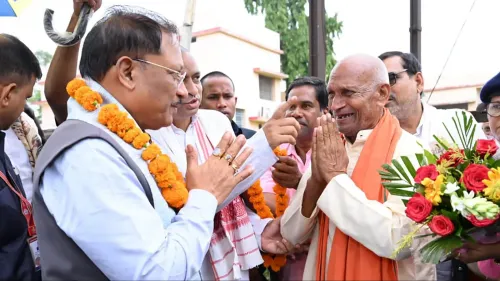
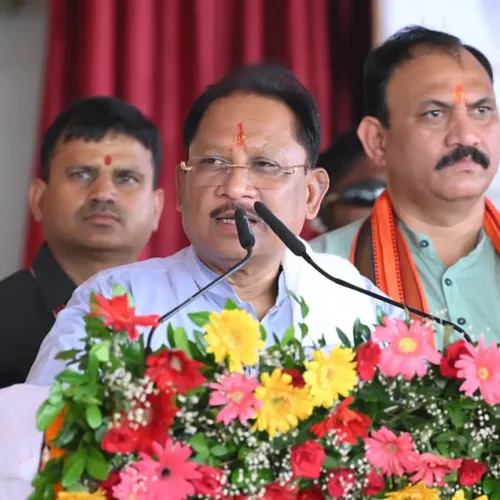
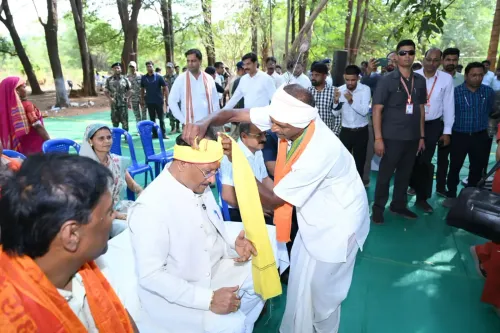
The Chief Minister's Office of Chhattisgarh announced on 2 July 2026 that Chief Minister Vishnu Deo Sai visited the Bhartiya Kushtha Nivarak Sangh Ashram in Sonthi, Janjgir-Champa, commending the institution's long-standing work in leprosy treatment, rehabilitation, and humane care for affected individuals.
Context
The Chief Minister's Office shared that CM Sai praised the ashram's 'swasthya, seva aur punarvas ke kshetra mein kiye ja rahe preranadayi karya' ('inspiring work being done in the fields of health, service, and rehabilitation'). The ashram, located in Sonthi in the Janjgir-Champa district of central Chhattisgarh, has for decades dedicated itself to the treatment, rehabilitation, and dignified living of leprosy-affected persons.
The visit underscores the state government's engagement with civil society institutions that fill critical gaps in healthcare delivery, particularly in districts with significant rural populations and limited institutional health infrastructure.
Policy Backdrop
India launched the National Leprosy Eradication Programme (NLEP) in 1983, and the country achieved leprosy elimination status in 2005 — defined as fewer than one case per 10,000 population at the national level. However, pockets of higher prevalence have persisted in states such as Chhattisgarh, making district-level outreach and rehabilitation work by organisations like the Bhartiya Kushtha Nivarak Sangh especially significant.
Post-elimination strategy in India has increasingly combined medical cure with social support, recognising that stigma and economic marginalisation continue to affect leprosy survivors long after treatment. NGO-run ashrams serve as a critical bridge between public health programmes and community reintegration.
Stakeholders and Impact
The Bhartiya Kushtha Nivarak Sangh operates ashrams focused on leprosy treatment, social reintegration, and long-term care for those who have faced discrimination. Residents of such facilities often include individuals who were ostracised from their communities and require sustained support beyond clinical cure.
Healthcare workers, social workers, and volunteers associated with the ashram are the primary service providers, while leprosy-affected individuals and their families are the direct beneficiaries. CM Sai's visit lends institutional recognition to their efforts, which can translate into greater visibility for resource allocation at the state level.
What's Next
Observers and stakeholders in the leprosy rehabilitation space will watch whether the visit translates into concrete policy action — particularly around state budget allocations for leprosy rehabilitation centres in 2026-27 and potential integration of such facilities with Ayushman Bharat health coverage. Chhattisgarh's engagement with district-level institutions has historically reflected a continuity-of-care approach, and this visit is consistent with that pattern.
The broader question is whether state governments will move from ceremonial acknowledgement to structural funding partnerships with NGOs addressing residual leprosy burden, ensuring that the gains of the National Leprosy Eradication Programme are consolidated at the grassroots level.
Point of View
Such visits carry political as well as administrative weight, lending legitimacy to civil society actors who operate outside the formal government structure. The visit fits a broader post-elimination pattern in which Indian states must manage residual leprosy burden through partnerships rather than standalone public programmes. Whether this translates into budgetary commitments or Ayushman Bharat integration will be the real measure of intent.
NationPress
2 Jul 2026
Frequently Asked Questions
Why did CM Vishnu Deo Sai visit the leprosy ashram in Janjgir-Champa?
CM Vishnu Deo Sai visited the Bhartiya Kushtha Nivarak Sangh Ashram in Sonthi, Janjgir-Champa on 2 July 2026 to commend its long-standing work in leprosy treatment, rehabilitation, and providing dignified living conditions to affected individuals.
What is the Bhartiya Kushtha Nivarak Sangh?
The Bhartiya Kushtha Nivarak Sangh is an NGO that operates ashrams focused on leprosy treatment, social reintegration, and long-term care for leprosy-affected persons, including those who have faced community stigma.
Has India eliminated leprosy?
India achieved leprosy elimination status in 2005, defined as fewer than one case per 10,000 population at the national level, under the National Leprosy Eradication Programme launched in 1983. However, some districts continue to report residual cases requiring ongoing outreach.
What is the National Leprosy Eradication Programme?
The National Leprosy Eradication Programme (NLEP) is a central government scheme launched in 1983 aimed at eliminating leprosy in India. It has undergone several phases, with post-elimination strategy now focusing on rehabilitation and social reintegration alongside medical treatment.
What is Chhattisgarh's role in leprosy eradication?
Chhattisgarh has historically been among the states with higher leprosy burden and has maintained outreach to district-level institutions as part of its health governance strategy, engaging NGOs to address treatment and rehabilitation needs beyond what public facilities alone can provide.