CM Saini Chairs Haryana Vision-2047 Review, Pledges Drug-Free Drive
Synopsis
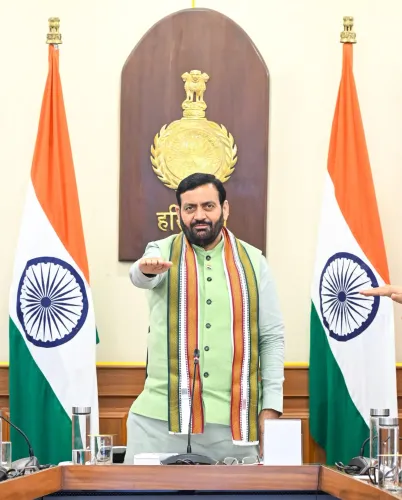
Haryana Chief Minister Nayab Singh Saini chaired a Vision-2047 review meeting on 26 June 2026, administering a drug-free pledge to SEWA officials and directing a comprehensive review of welfare schemes to ensure inclusive, last-mile delivery for all sections of society by 2047.
Key Takeaways
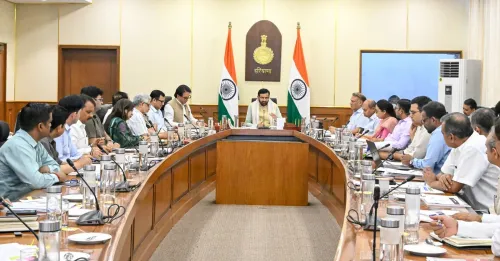
CM Nayab Singh Saini chaired a Haryana Vision-2047 review meeting on 26 June 2026 .
Officials were administered a pledge under the Nasha Mukt Bharat Abhiyan to promote anti-drug awareness and community participation.
The SEWA Department presented a detailed progress report on social justice, SC/OBC welfare, and Antyodaya schemes.
New schemes and policy initiatives for 'effective, transparent, and inclusive' service delivery were deliberated.
The stated goal is to make Haryana a developed, prosperous, and people-centric state by 2047 , with benefits reaching the last person in society.
The exercise aligns with the national Viksit Bharat @2047 vision launched by PM Narendra Modi in 2023.
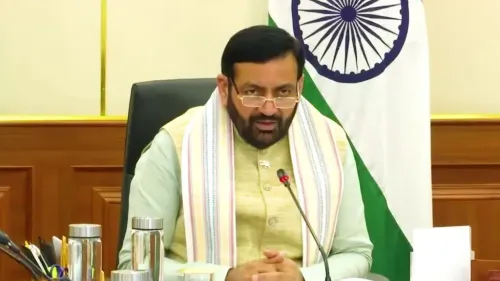
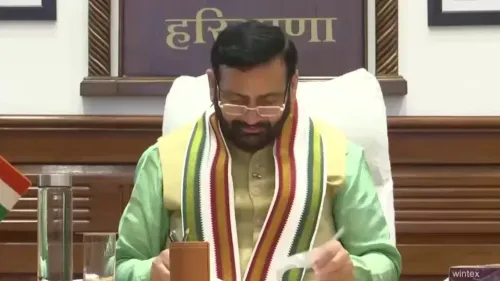
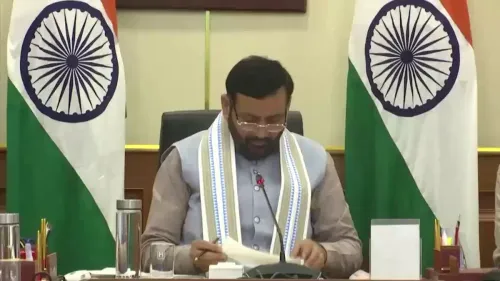
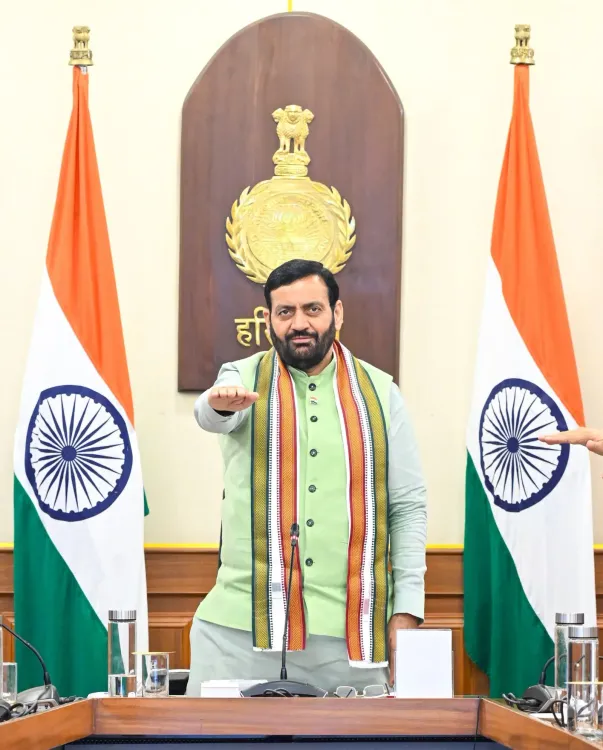
Haryana Chief Minister Nayab Singh Saini on Friday, 26 June 2026, chaired a high-level review meeting centred on the Haryana Vision-2047 roadmap, administering a pledge to senior officials to advance awareness and community participation under the Nasha Mukt Bharat Abhiyan (Drug-Free India Campaign).
Context
Speaking at the meeting, CM Saini directed officials to reinforce the anti-drug pledge 'nasha mukt Bharat abhiyan ke tahat nasha ke viruddh janjagrukta aur janbhagidari ka sankalp' [a resolve for public awareness and community participation against drugs under the Drug-Free India Campaign]. The gathering brought together senior functionaries of the Social Justice, Empowerment, Scheduled Caste and Backward Class Welfare, and Antyodaya (SEWA) Department to take stock of ongoing welfare schemes and chart the course ahead.
The chief minister stated that the state's resolve is to establish Haryana as 'a developed, prosperous, inclusive, and people-centric state by 2047, where the benefits of development reach the last person in society equally.'
Policy Backdrop
The Haryana Vision-2047 framework is the state's long-term development roadmap aligned with Prime Minister Narendra Modi's national Viksit Bharat @2047 vision, announced in 2023. Several BJP-governed states have prepared parallel roadmaps to synchronise with central welfare architecture and last-mile delivery targets.
The Nasha Mukt Bharat Abhiyan was formally launched in 2020 under the Union Ministry of Social Justice and Empowerment, initially targeting 272 identified vulnerable districts before being expanded nationwide with a focus on youth outreach. Layering anti-drug objectives onto core development planning has become a recurring feature of state-level governance exercises across multiple administrations.
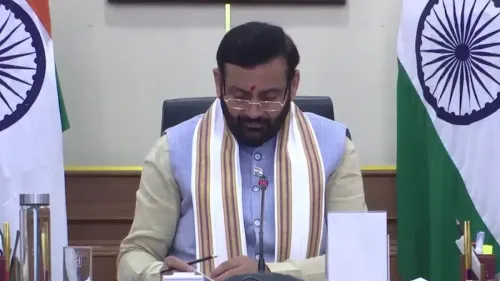
The SEWA Department — which administers social justice, empowerment, SC and OBC welfare, and Antyodaya programmes — presented a detailed progress report on existing welfare schemes at the meeting. Officials also deliberated on new schemes and policy initiatives aimed at delivering 'effective, transparent, and inclusive services to every section of society,' according to CM Saini's post.
Stakeholders and Impact
The review directly concerns Scheduled Caste and Other Backward Class communities, marginalised families, and youth in Haryana — the primary beneficiaries of SEWA-administered programmes. The Antyodaya philosophy underpinning the department's mandate prioritises the poorest and most vulnerable households.
The simultaneous emphasis on drug de-addiction is significant for Haryana, which shares borders with Punjab — a state that has faced acute substance-abuse challenges — and has historically reported drug-related concerns among its youth population. Community-level pledges administered to government officials are intended to cascade awareness down to district and block levels.
What's Next
The next milestone to watch is the quarterly progress report on Vision-2047 district-level indicators, alongside any new SEWA schemes that may be announced in the 2026-27 Haryana budget cycle. CM Saini's emphasis on 'new schemes and policy initiatives' signals that formal announcements on welfare expansion could follow in the weeks ahead, as the state moves to translate its long-horizon roadmap into measurable, time-bound deliverables.
Point of View
Rather than just issuing directives, is a visible accountability device that CM Saini can point to when tracking implementation. The focus on SEWA and Antyodaya programmes suggests the administration is conscious of optics around welfare reach ahead of any forthcoming budget or electoral cycle. Haryana's Vision-2047 exercise is part of a broader BJP-state pattern of synchronising with the Viksit Bharat framework, making it as much a political alignment exercise as a governance one.
NationPress
26 Jun 2026
Frequently Asked Questions
What is Haryana Vision-2047?
Haryana Vision-2047 is the state government's long-term development roadmap aimed at making Haryana a developed, prosperous, and inclusive state by the year 2047, aligned with the national Viksit Bharat @2047 goal announced by PM Narendra Modi in 2023.
What is the Nasha Mukt Bharat Abhiyan?
The Nasha Mukt Bharat Abhiyan is a central government campaign launched in 2020 under the Ministry of Social Justice and Empowerment to promote awareness and community participation against substance abuse, initially covering 272 vulnerable districts and later expanded across all states.
What did CM Nayab Singh Saini announce at the Vision-2047 meeting?
CM Saini administered a Nasha Mukt Bharat Abhiyan pledge to officials, reviewed the progress of SEWA-administered welfare schemes, and directed deliberations on new schemes and policy initiatives for transparent, inclusive, and last-mile service delivery.
What is the SEWA Department in Haryana?
SEWA stands for Social Justice, Empowerment, Scheduled Caste and Backward Class Welfare, and Antyodaya Department — the Haryana government body responsible for administering welfare programmes for SC and OBC communities and the most economically marginalised households.
When did Nayab Singh Saini become Haryana Chief Minister?
Nayab Singh Saini became Haryana Chief Minister in 2024, succeeding Manohar Lal Khattar, and leads the BJP government in the state.