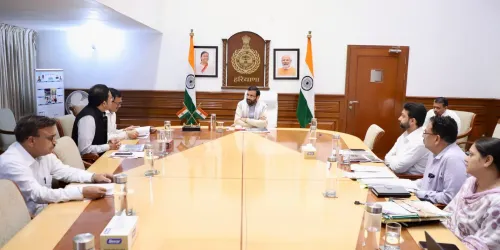
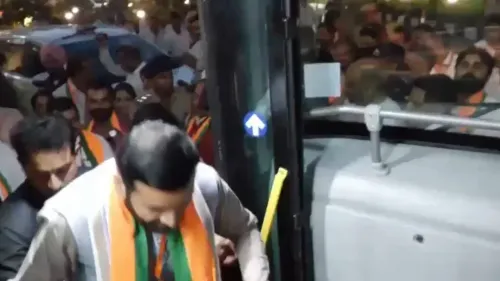
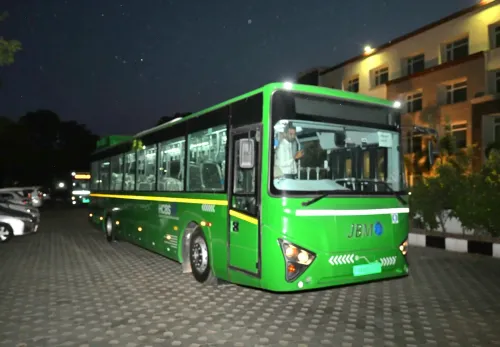
CM Saini flags off e-buses on Panchkula temple route
Synopsis
Haryana CM Nayab Singh Saini flagged off two electric buses from Panchkula's Mansa Devi complex, linking Chandi Mata, Pinjore Gardens and Kalka's Kali Mata shrine. He also opened the renovated Sector-5 terminal. Passengers can track buses via QR codes.
Key Takeaways
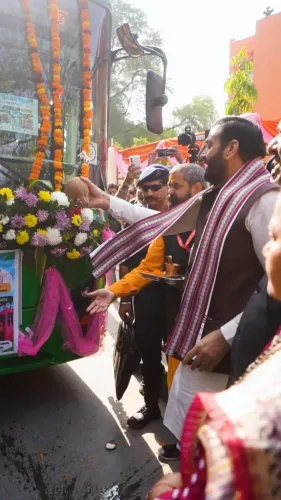
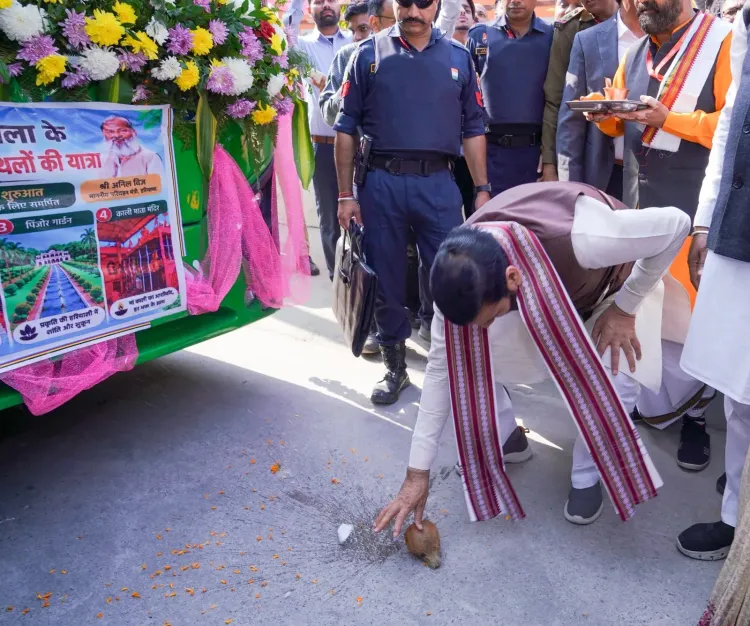
Haryana Chief Minister Nayab Singh Saini flagged off two electric buses from the Sanskrit Gurukul at Shri Mata Mansa Devi Temple in Panchkula on Friday, 27 November 2026.
The route will run from Mansa Devi Temple to Chandi Mata Temple, via Pinjore Gardens, to Shri Kali Mata Temple in Kalka.
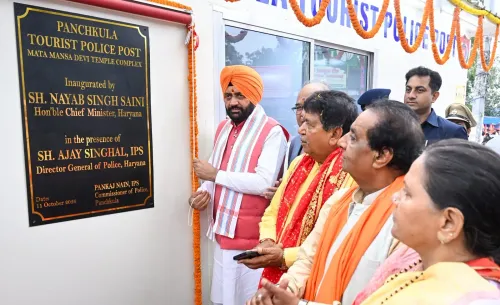
Saini also inaugurated the renovated state bus terminal in Sector-5, Panchkula.
Passengers can check bus location and timetable through digital QR codes.
The CM described the service as environment-friendly, aimed at pollution-free travel for devotees and tourists.
Haryana Chief Minister Nayab Singh Saini flagged off two electric buses from the Sanskrit Gurukul at the Shri Mata Mansa Devi Temple complex in Panchkula on Friday, putting a cleaner ride on the city's busiest pilgrimage circuit. The vehicles will link Mansa Devi with Chandi Mata Temple, Pinjore Gardens and Kalka's Shri Kali Mata Temple — a route devotees have long stitched together by foot, taxi and diesel bus.
In a post on X, Saini said travel to Panchkula's major religious and tourist sites would now be easier and more convenient. The service, he wrote, will run from Shri Mata Mansa Devi Temple to Chandi Mata Temple, via Pinjore Gardens, through to Shri Kali Mata Temple in Kalka. The same day he inaugurated the renovated state bus terminal in Sector-5, Panchkula.
Temple circuit from Mansa Devi to Kalka
That corridor sits on the Panchkula–Chandigarh–Kalka belt, where hill shrines pull large numbers of pilgrims through the year. Mansa Devi occupies the Shivalik foothills; Chandi Mata and Kalka's Kali Mata complete a circuit many visitors try to cover in a single day. Pinjore Gardens, the historic Mughal-era gardens, sit on the way as both a tourism stop and a transit point.
Haryana has, through 2022–2024, expanded electric public-transport fleets to meet state EV-policy targets. Other Indian states have accelerated e-buses on urban and tourism routes under central clean-mobility schemes. Connecting shrines in this corridor is part of that pattern: fewer exhaust fumes on crowded temple approaches, and a visible green option for visitors.
Sector-5 terminal and QR tracking
Saini also opened the renovated state bus terminal in Sector-5. The post presents the terminal and the two e-buses as one package — a modern boarding point for Panchkula residents and a cleaner last mile for devotees heading into the hills.
Passengers will be able to scan a digital QR code for the bus location and timetable. That is the operational hook: not only a new vehicle, but a way to know when it is coming on a hill road that often meant waiting, walking or hiring a cab.
The Chief Minister called the service environment-friendly, saying it would promote pollution-free transport while giving devotees and tourists smoother access. Two buses do not rewrite a city's fleet. They do put an electric, digitally tracked service on one of Haryana's most walked religious routes.
Watch whether the corridor stretches to other pilgrimage centres in the state, and whether QR tracking becomes standard on Haryana's tourist buses. For now, the flag-off at the gurukul is a concrete bet: cleaner wheels for the faithful, and a renovated terminal to match.
Point of View
Dating to 2022–2024, to put electric buses on urban and tourism routes and meet state EV-policy targets. Religious corridors are a smart place to start: pilgrim volumes are high, diesel last-mile traffic is visible, and a tracked e-bus is easy for visitors to understand. Two vehicles will not transform the Chandigarh–Panchkula–Kalka belt on their own, but pairing them with a renovated Sector-5 terminal and QR tracking signals that the state wants clean mobility and digital information as standard, not as a one-day photo opportunity. The test is whether similar circuits follow at other Haryana pilgrimage centres.
NationPress
27 Nov 2026
Frequently Asked Questions
What new bus service did Haryana CM Nayab Singh Saini launch in Panchkula?
He flagged off two electric buses from the Sanskrit Gurukul at the Shri Mata Mansa Devi Temple complex to serve Panchkula's main religious and tourist sites. The same day he inaugurated the renovated state bus terminal in Sector-5.
What is the route of the new Panchkula electric buses?
The service will run from Shri Mata Mansa Devi Temple to Chandi Mata Temple, via Pinjore Gardens, and on to Shri Kali Mata Temple in Kalka. It is meant for devotees and tourists covering that circuit.
Where is the renovated Panchkula bus terminal?
The renovated state bus terminal is in Sector-5, Panchkula. Chief Minister Nayab Singh Saini inaugurated it on the same day as the e-bus flag-off.
How can passengers track the new Panchkula e-buses?
Passengers can use a digital QR code to get the bus location and timetable. The CM said this would make travel on the temple-and-garden route more convenient.
When were the Panchkula electric buses flagged off?
They were flagged off on Friday, 27 November 2026, from the Sanskrit Gurukul inside the Shri Mata Mansa Devi Temple complex in Panchkula.