CM Saini marks 12 years of women's empowerment under Modi
Synopsis
Haryana Chief Minister Nayab Singh Saini marked twelve years of PM Modi's women-empowerment governance on 12 June 2026, calling the period a golden chapter of Nari Shakti and highlighting the Beti Bachao Beti Padhao scheme as a defining initiative of the era.
Key Takeaways
Haryana CM Nayab Singh Saini posted on 12 June 2026 marking twelve years of women-centric governance under PM Narendra Modi .
The post used the hashtag #12YearsOfNariShakti , part of a broader BJP communication campaign on gender welfare.
The Beti Bachao Beti Padhao scheme, launched in January 2015 , was cited as a cornerstone of the twelve-year record.
Haryana was one of the initial focus states for Beti Bachao Beti Padhao due to historically skewed child sex ratios.
The post included a video and signals continued political emphasis on women's welfare ahead of upcoming budget and policy cycles.
Next NFHS or SDG gender indicator data releases will be key to independently assessing progress on the ground.
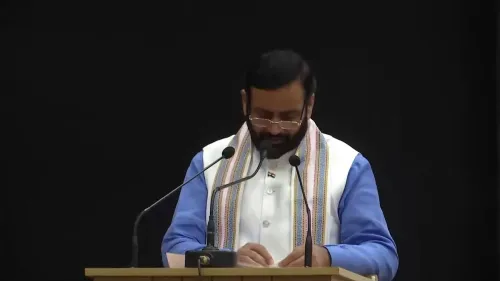
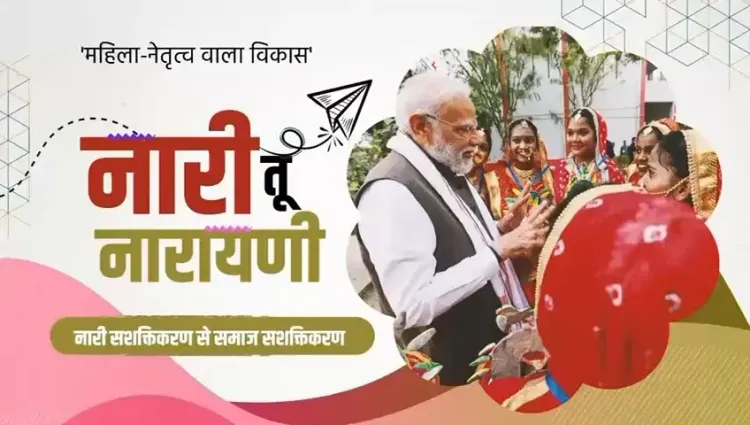
Haryana Chief Minister Nayab Singh Saini on Friday, 12 June 2026, took to X to mark twelve years of women-centric governance under Prime Minister Narendra Modi, calling the period a 'golden chapter' in India's development journey under the hashtag #12YearsOfNariShakti.
Posting in Hindi, CM Saini wrote: 'Bharat ki vikas yatra mein pichhle barah varshon ka daur #12YearsOfNariShakti ke roop mein nari sashaktikaran ke swarnim adhyay ke roop mein sthapit hua hai' — ('The last twelve years in India's development journey have been established as a golden chapter of women's empowerment under #12YearsOfNariShakti'). He credited PM Modi's 'visionary policies' with giving a new definition to women's empowerment, citing the Beti Bachao Beti Padhao campaign as a cornerstone initiative.
Context
The post marks the completion of twelve years since the Bharatiya Janata Party came to power at the Centre in May 2014. CM Saini, himself a BJP leader, has aligned Haryana's state administration closely with centrally sponsored schemes targeting women and girls. The hashtag #12YearsOfNariShakti reflects a coordinated BJP communication effort to highlight the ruling party's record on gender welfare.
Policy Backdrop
The Beti Bachao Beti Padhao scheme was launched in January 2015 by the Ministry of Women and Child Development to arrest a declining child sex ratio and improve access to education for girls. Haryana was among the initial focus states for the programme, given historically skewed sex ratios in several of its districts. Since 2014, the central government has rolled out multiple schemes spanning education, health, financial inclusion, and safety for women, positioning gender empowerment as a core governance pillar.
Complementary state-level interventions in Haryana have targeted female literacy and workforce participation, running alongside national programmes. The convergence of central and state efforts has been a recurring theme in BJP-governed states, with chief ministers frequently amplifying the Centre's welfare messaging on social media.
Stakeholders and Impact
The primary beneficiaries of the schemes referenced are women and girls across India, with Haryana's rural and semi-urban populations among the most directly affected given the state's historical gender challenges. State governments serve as key implementation partners, channelling central funds and monitoring outcomes at the district level. Civil society organisations and self-help groups have also played a role in grassroots delivery of these programmes.
CM Saini's post, which includes a video, signals continued political investment in women's welfare as a visible electoral and governance theme ahead of potential budget cycles and policy reviews.
What's Next
Analysts will watch for the next round of National Family Health Survey (NFHS) or SDG gender indicator data that would provide measurable evidence of progress on child sex ratios, female literacy, and workforce participation in Haryana and nationally. Any announcements in the Haryana state budget expanding the scope or funding of Beti Bachao Beti Padhao or allied schemes would be a concrete follow-through to the political messaging. The broader #12YearsOfNariShakti campaign is likely to continue as the BJP uses the anniversary window to consolidate its narrative on women's welfare.
Point of View
The party anchors an abstract empowerment claim to a named, visible programme, lending it policy credibility. For Haryana specifically, the messaging is pointed: the state's historically poor child sex ratios made it a national symbol of gender disparity, so any demonstrated improvement carries outsized political weight. The broader pattern — state BJP leaders amplifying central welfare achievements on social media — reflects a tightly managed top-down communication strategy that doubles as governance accountability signalling.
NationPress
25 Sept 2026
Frequently Asked Questions
What is the Beti Bachao Beti Padhao scheme?
Beti Bachao Beti Padhao is a national scheme launched in January 2015 by the Ministry of Women and Child Development to improve the child sex ratio and promote girls' education, with Haryana among its initial focus states.
Why did CM Saini post about #12YearsOfNariShakti?
Haryana CM Nayab Singh Saini posted on 12 June 2026 to mark twelve years of PM Narendra Modi's government, celebrating the period as a golden chapter of women's empowerment under the hashtag #12YearsOfNariShakti .
What has Haryana done for women's empowerment under BJP?
Haryana has implemented central schemes like Beti Bachao Beti Padhao alongside state-level interventions targeting female literacy and workforce participation, aligning closely with the national government's gender welfare agenda since 2014 .
What is Nari Shakti in Indian politics?
'Nari Shakti' — meaning women's power — is a phrase used by the BJP and the central government to describe their policy focus on women's empowerment, encompassing education, health, financial inclusion, and safety schemes rolled out since 2014 .
How is Haryana's child sex ratio changing?
Haryana has historically had one of India's most skewed child sex ratios, making it a primary target for Beti Bachao Beti Padhao . Verified trend data will be available in the next National Family Health Survey (NFHS) release.