KTR Slams Musi Project: No DPR, Public Hearing a Farce
Synopsis
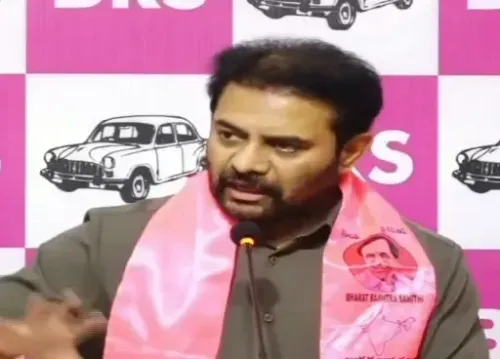
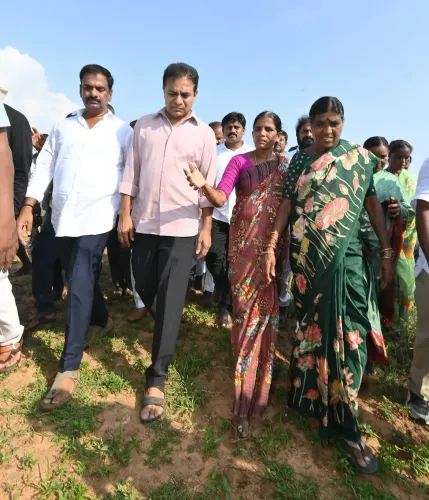
BRS working president K. T. Rama Rao on 9 November 2026 accused the Telangana government of holding a hollow public hearing, floating Musi River project bids without a DPR, and prioritising 'beautification' over drought relief, tagging it #MusiLoot.
Key Takeaways
BRS working president K.
Rama Rao posted on 9 November 2026 criticising the Telangana government's handling of the Musi River project.
KTR alleged a public hearing was conducted without genuine public participation.
Project bids were reportedly called before a Detailed Project Report (DPR) was prepared — a significant procedural lapse in Indian infrastructure governance.
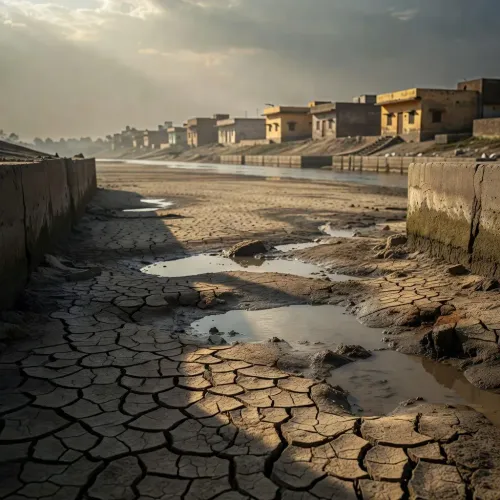
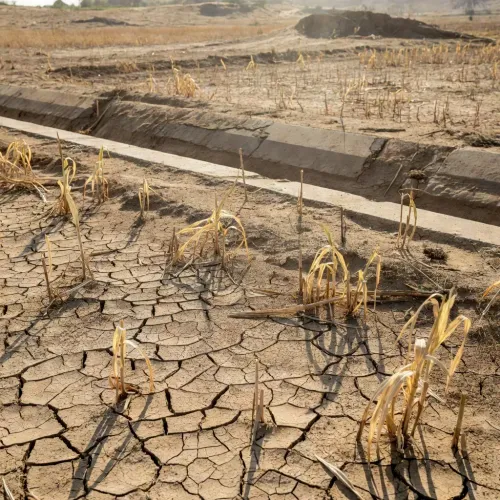
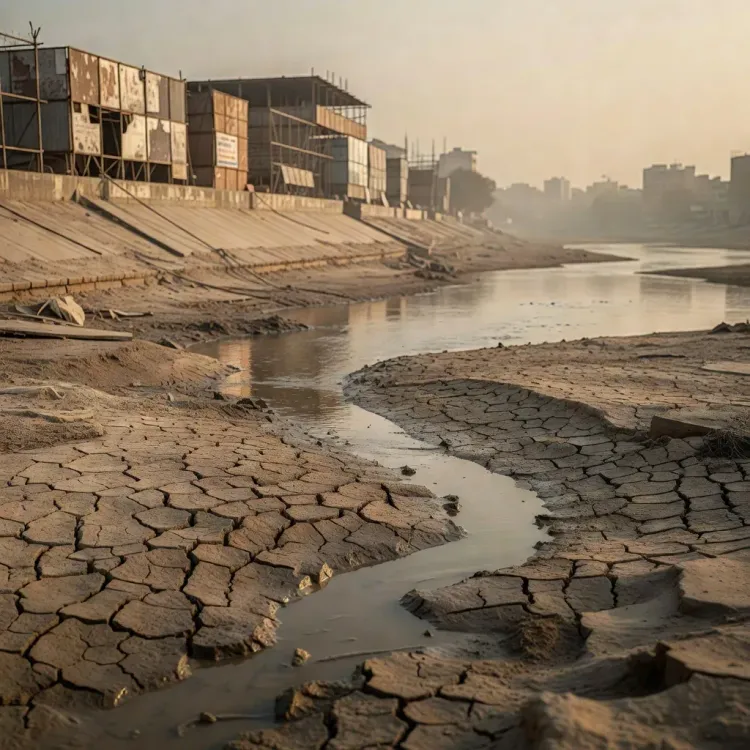
KTR highlighted the contradiction of pursuing 'beautification' work while Telangana faces drought conditions.
The hashtag #MusiLoot signals BRS intends to frame this as a sustained political campaign against the ruling government.
The Musi River has been a contested political and environmental issue in Hyderabad since Telangana's formation in 2014.
A drought is biting across Telangana — and yet, BRS working president K. T. Rama Rao says the state government is pushing ahead with a 'beautification' drive on the Musi River without even a basic blueprint on paper. On Monday, 9 November 2026, KTR fired off a sharp broadside on X, flagging what he called a cascade of procedural failures: a public hearing held without the public, project bids floated without a Detailed Project Report, and a cosmetic river project green-lit in the middle of an acute water crisis.
The Three Charges KTR Is Putting on the Table
The post lays out a pointed three-part indictment. First: a 'public hearing without [the] public' — suggesting the statutory consultation process was either bypassed or conducted as a formality. Second: project bids called before a Detailed Project Report (DPR) exists — meaning contracts may be in motion before the technical and financial scope of the work is even defined. Third, and most strikingly: branding a river-front 'beautification' scheme as a priority while Telangana farmers and households are dealing with drought stress.
KTR invoked the Tughlaq reference — a Sultanate-era ruler whose reign became a byword in Indian political vocabulary for well-intentioned but chaotic, impractical governance. The hashtag #MusiLoot sharpens the charge further, framing the project not just as incompetent but as potentially motivated by procurement irregularities.
Why the Musi Has Always Been Contested Ground
The Musi River winds through the heart of Hyderabad, and its cleanup and rejuvenation have been political live wires since at least the early years of Telangana's formation in 2014. The BRS government itself, during its decade in power through 2023, pursued riverfront development plans that drew their own share of scrutiny. The current dispensation's attempt to revive and rebrand a Musi project was always going to invite comparison — and opposition.
In Indian urban governance, launching a public hearing before a DPR is finalised is a recognised red flag. A DPR sets project cost, scope, environmental impact and execution timelines; without it, neither the public nor independent auditors can meaningfully evaluate what is being proposed. Opposition parties across states have used exactly this procedural gap to challenge the legitimacy of infrastructure tenders.
Drought as the Backdrop That Makes This Sting
The drought angle is where KTR's critique lands its sharpest blow. Allocating political energy and public funds toward a riverfront 'beautification' project — essentially an aesthetic and real-estate upgrade — while agricultural distress grips the region is a contrast that writes itself. It hands the opposition a simple, human-scale argument: the government's priorities are upside-down.
What happens next depends on whether the state government responds with a formal clarification on the DPR status, a revised public consultation schedule, or simply stays silent and lets the tender process roll. KTR and BRS will be watching — and the #MusiLoot tag suggests this is intended as an ongoing campaign, not a single post.
Point of View
Ethical, and human-interest grievances into a single post and give them a unifying hashtag. The 'no DPR before bids' charge is the most substantively serious — it is a verifiable process standard, not just a political opinion, and it forces the government to either produce the document or defend its absence. The drought-versus-beautification juxtaposition meanwhile gives the story a moral frame that resonates far beyond policy wonks. For BRS, still rebuilding after its 2023 assembly defeat, the #MusiLoot campaign is an attempt to establish a durable accountability narrative around Hyderabad's most symbolically loaded waterway.
NationPress
9 Nov 2026
Frequently Asked Questions
What is the Musi River project in Hyderabad?
The Musi River project refers to ongoing state government efforts to clean, rejuvenate and develop the riverfront running through Hyderabad, Telangana. Various phases of such plans have been debated since the state's formation in 2014.
Why is KTR criticising the Musi River project?
BRS working president K. T. Rama Rao alleges that the Telangana government conducted a public hearing without genuine public participation, floated project bids before a Detailed Project Report was ready, and pushed 'beautification' work during a drought — collectively using the hashtag #MusiLoot.
What is a DPR and why does it matter for infrastructure projects?
A Detailed Project Report (DPR) is a comprehensive document that defines a project's technical scope, estimated cost, environmental impact, and timelines. Calling tenders before a DPR is finalised means contractors and the public cannot meaningfully evaluate what is being built or at what cost.
What does #MusiLoot mean?
The hashtag #MusiLoot, coined by BRS, combines 'Musi' (the river) and 'loot' (plunder), implying the opposition believes the project is being misused for financial irregularities or corrupt procurement rather than genuine public benefit.
Is Telangana facing drought in November 2026?
KTR's post references drought conditions in Telangana as of November 2026. The region has historically experienced periodic drought stress; specific current conditions cited in the post could not be independently verified from available data.