KTR Slams Congress Over Farmer Water Crisis in Telangana
Synopsis
BRS working president KTR launched a blistering attack on Telangana's Congress government on 12 July 2026, demanding irrigation water for farmers and invoking historical police firings during the statehood agitation to accuse Congress of a decades-long pattern of violence against the region.
Key Takeaways
KTR accused the Telangana Congress government of denying irrigation water to farmers on 12 July 2026 .
He invoked the 1952 killing of seven youths and the 1969 police firing that he says claimed 369 lives during the Telangana agitation.
KTR alleged Congress 'oppressed Telangana for 60 years ' and called the party 'bloodthirsty wolves.' The post signals BRS may escalate protests if the Congress administration does not act on irrigation releases during the kharif sowing season.
BRS governed Telangana from 2014 to 2023 and prioritised irrigation projects including Kaleshwaram ; Congress won the state in December 2023 .
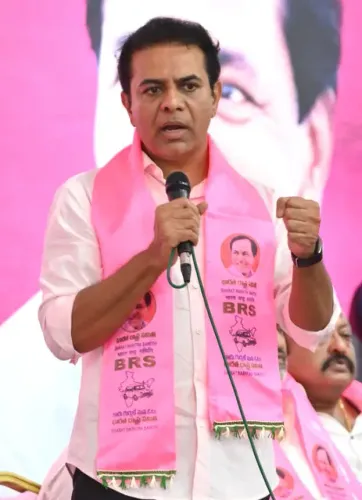
BRS working president K. T. Rama Rao launched a fierce attack on the Congress government in Telangana on Sunday, 12 July 2026, accusing it of denying irrigation water to farmers and invoking the bloodshed of the decades-long Telangana statehood struggle to underscore what he called the ruling party's historic cruelty toward the region.
Context
Posting in Telugu on X, K. T. Rama Rao — widely known as KTR — directed his remarks at the state's Congress administration, which swept to power in the December 2023 assembly elections, ending a decade of Bharat Rashtra Samithi (BRS) rule. His post, translated from Telugu, reads: 'నీళ్లు అడిగితే నెత్తురు చల్లుతా అంటవా..రక్త పిశాచీ!' ('You say you will spill blood when we ask for water — you bloodsucker!'). The outburst centres on what BRS alleges is the Congress government's failure to release adequate irrigation water to Telangana farmers during the current agricultural season.
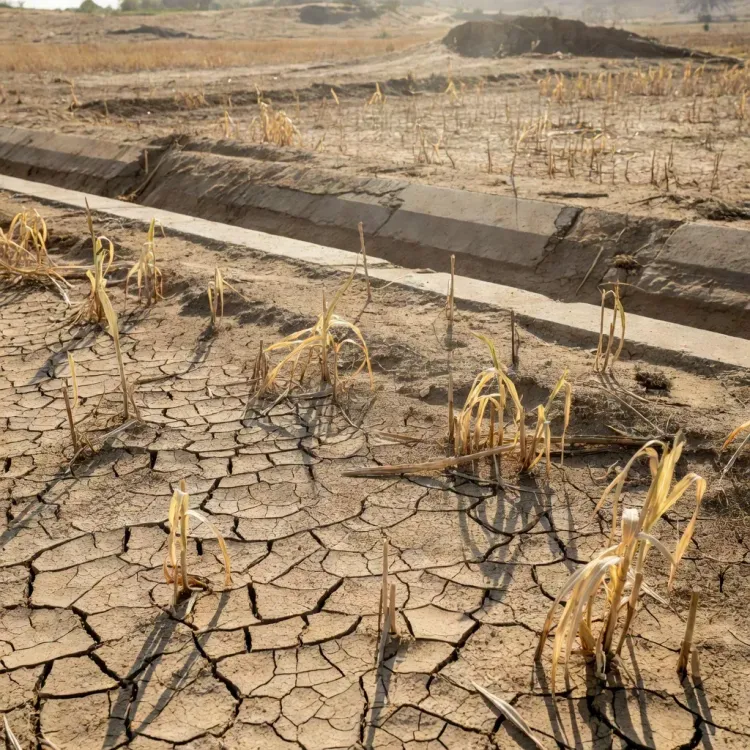
KTR accused the Congress party of having 'drunk Telangana's blood for 60 years' under united Andhra Pradesh and questioned how much more sacrifice the region's people must make. 'We will pour our blood — quench the thirst of drying fields,' he wrote, demanding the government prioritise water releases over political confrontation.
Historical Backdrop
KTR's post draws explicitly on three phases of the Telangana agitation. He references the 1952 killing of seven youths, the 1969 police firing that he says claimed 369 lives, and the later phase of the statehood movement in which he says more than a thousand people were killed. These events — particularly the 1969 agitation involving student-led protests and reported police firings — are foundational to Telangana's political memory and are routinely invoked by regional parties to frame Congress as historically hostile to the region.
Telangana was carved out of Andhra Pradesh in 2014 through the Andhra Pradesh Reorganisation Act passed by the then Congress-led central government, a move BRS frames as a belated concession rather than a gift. Water distribution from shared river systems, particularly for agriculture, has remained a live grievance since bifurcation.
Policy Backdrop
Irrigation access has been a defining issue in Telangana politics since statehood. The BRS governments between 2014 and 2023 prioritised large-scale irrigation infrastructure, including the Kaleshwaram Lift Irrigation Scheme, positioning water delivery as a core electoral promise to farmers. The Congress administration has faced sustained BRS criticism over the pace of water releases and the operational status of irrigation projects inherited from its predecessor.
KTR's language — 'జలసాధన పోరాటాలు' ('water-rights struggles') — situates the current dispute within a longer continuum of resource agitations, framing the irrigation standoff not as a technical failure but as a political betrayal with historical precedent.
Stakeholders and Impact
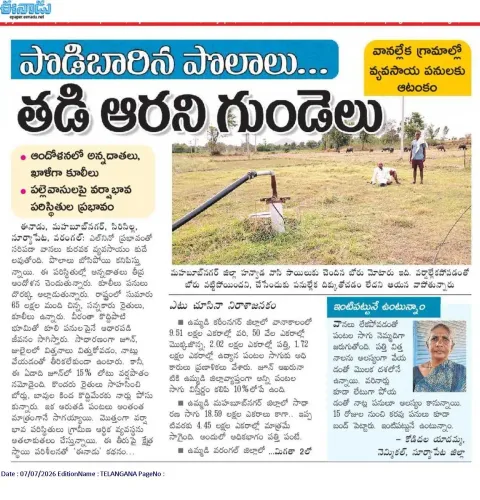
Telangana farmers, particularly those dependent on canal and lift irrigation for the kharif (monsoon) sowing season, are the immediate constituency invoked in KTR's post. BRS cadres have historically mobilised around water issues, and the post signals the party may escalate street-level protests if the government does not act. The Congress state government has not issued an immediate formal response to the post.
The rhetoric also carries intra-party significance for BRS, which has been rebuilding its opposition identity after its 2023 defeat. Invoking martyrs of the statehood movement is a tested strategy to energise the party base and reclaim the narrative of regional pride.
What's Next
Political observers will watch whether BRS translates KTR's online broadside into organised farmer protests or formal legislative pressure when the Telangana assembly is next in session. The Congress government's response — or silence — on irrigation releases will determine whether this dispute hardens into a sustained agitation heading into the next electoral cycle. With kharif sowing windows narrow, any delay in water releases could sharpen farmer anger and give the opposition a concrete, ground-level grievance to exploit.
Point of View
Deliberately fusing a present-day irrigation dispute with the bloodiest chapters of the Telangana statehood movement to cast Congress as a perennial oppressor. For a BRS still recalibrating after its 2023 defeat, anchoring farmer grievances in martyrdom mythology is a low-cost, high-emotion strategy to reclaim the party's founding narrative. The Congress government faces a dual challenge: address the substantive irrigation complaint quickly or risk ceding the moral high ground on the very issue — regional pride and farmer welfare — that defines Telangana's political identity. How the ruling party responds in the coming days will signal whether it treats this as routine opposition noise or a genuine early warning of agrarian unrest.
NationPress
11 Oct 2026
Frequently Asked Questions
Why is KTR attacking the Telangana Congress government in July 2026?
KTR is demanding that the Congress-led Telangana government release adequate irrigation water for farmers during the kharif sowing season, accusing the administration of inaction while farmers' fields dry up.
What is the 1969 Telangana agitation that KTR mentioned?
The 1969 Telangana agitation was a student-led movement demanding a separate state, during which police firings were reported. KTR's post claims 369 people were killed, citing it as evidence of Congress's historic hostility toward the region.
What is BRS's history with irrigation in Telangana?
BRS governed Telangana from 2014 to 2023 and prioritised large irrigation projects, most notably the Kaleshwaram Lift Irrigation Scheme, positioning water access as a flagship promise to the farming community.
Has the Congress government in Telangana responded to KTR's post?
As of the time of reporting, the Telangana Congress government had not issued a formal public response to KTR's 12 July 2026 social-media post.
What could happen next after KTR's statement on farmer water rights?
Political observers expect BRS to escalate the issue through farmer protests or legislative pressure if the Congress government does not act on irrigation releases, particularly given the narrow window for kharif crop sowing.