KTR Questions Congress Over Unfulfilled Auto Driver Promises in Telangana
Synopsis
BRS working president KTR publicly challenged Rahul Gandhi on 1 June 2026 over unfulfilled 2023 campaign pledges to Telangana's auto drivers — a welfare board and ₹12,000 annual payment — claiming over 100 drivers have died by suicide in the 30 months since Congress assumed office.
Key Takeaways
BRS working president K.
Rama Rao challenged Rahul Gandhi on 1 June 2026 over welfare pledges made to Telangana's auto drivers during the 2023 assembly election campaign.
Two specific promises are cited: a dedicated welfare board for auto drivers and an annual cash transfer of ₹12,000 per driver .
KTR alleges that 30 months have elapsed since Congress took office without either promise being fulfilled.
He claims more than 100 auto drivers have died by suicide since the Congress government assumed charge in Telangana — a figure that has not been independently verified from official public records.
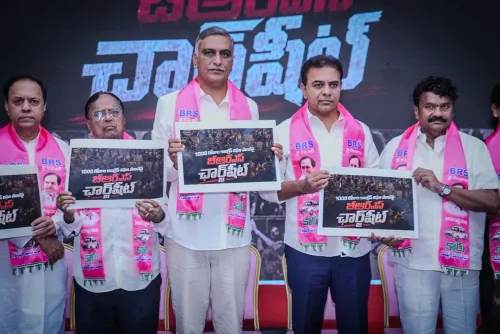
The post, tagged #CongressFailedTelangana , is part of a sustained BRS opposition campaign targeting the Revanth Reddy government's welfare delivery record.
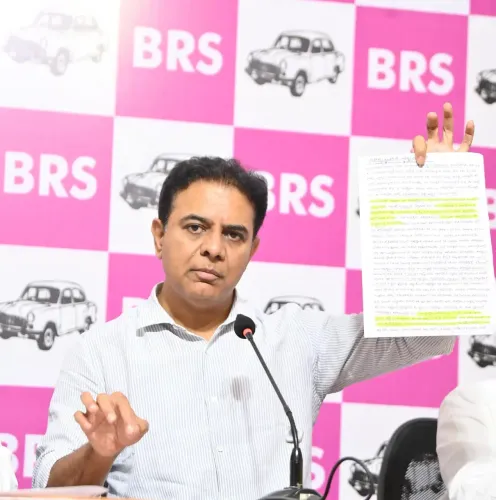
BRS working president K. T. Rama Rao on Sunday, 1 June 2026, publicly challenged Congress leader Rahul Gandhi, demanding an explanation for welfare pledges made to Telangana's auto-rickshaw drivers during the 2023 assembly election campaign that he alleges remain unfulfilled 30 months after the Congress government assumed office in the state.
Context
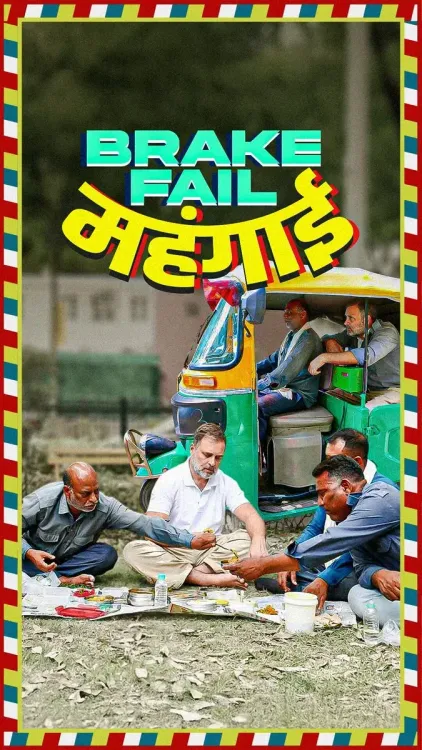
In his post on X, K. T. Rama Rao — popularly known as KTR — addressed Gandhi directly, asking: 'Before making grand new promises in Delhi, can you kindly explain what has happened to the promises you made to Telangana's auto drivers in 2023?' He cited two specific pledges: the formation of a dedicated welfare board for auto drivers and an annual cash transfer of ₹12,000 per driver.
KTR further claimed that more than 100 auto drivers have died by suicide since the Congress government took charge in Telangana, framing the alleged inaction as a matter of life and livelihood for an already vulnerable occupational group. The post carried the hashtag #CongressFailedTelangana.
Policy Backdrop
The Indian National Congress won the Telangana Legislative Assembly elections in December 2023, ending a decade of Bharat Rashtra Samithi (BRS) rule under former Chief Minister K. Chandrashekar Rao. The Congress campaign was anchored in a series of welfare guarantees targeting various occupational and social groups, with auto-rickshaw drivers among those specifically addressed.
Welfare boards for unorganised-sector workers — providing access to insurance, pensions, and direct cash benefits — have been a recurring electoral instrument across Indian states. In Telangana, auto-rickshaw drivers constitute a significant segment of the urban informal workforce, making them a politically consequential constituency in cities such as Hyderabad.
The BRS, now in opposition, has consistently sought to highlight gaps between Congress's pre-election commitments and post-election delivery. KTR has been among the most vocal critics of the Revanth Reddy-led state government since the party's electoral defeat.
Stakeholders and Impact
Auto-rickshaw drivers in Telangana operate largely outside formal employment protections, making targeted welfare schemes — particularly direct income support — critical to their financial security. An annual transfer of ₹12,000 would represent a meaningful supplement for drivers whose daily earnings are subject to fuel costs, vehicle maintenance, and fluctuating demand.
The claim regarding driver suicides, if substantiated, would underscore the urgency of the welfare gap KTR is pointing to. However, precise figures on occupational suicides at the state level require official data from the Telangana government or national crime records, and those numbers have not been independently verified from established public records.
For the Congress government in Hyderabad, the charge adds to a pattern of opposition pressure over the pace of welfare delivery. For Rahul Gandhi, who is reportedly engaged in outreach activities in Delhi, the challenge is a reminder that campaign promises in Telangana remain a live political liability.
What's Next
The immediate question is whether the Telangana Congress government or Rahul Gandhi's office will respond to KTR's specific queries about the welfare board and the ₹12,000 annual payment. A formal reply or an assembly discussion on the status of auto-driver welfare schemes would help clarify the implementation record.
More broadly, the exchange signals that welfare delivery to informal-sector workers will remain a central fault line in Telangana's political discourse ahead of any future electoral cycle. If the Congress government tables a formal welfare board notification or disburses the promised transfers, it would blunt the opposition's most pointed line of attack.
Point of View
Particularly as Gandhi pursues fresh outreach in Delhi. The framing — invoking driver suicides alongside undelivered cash transfers — is designed to shift the debate from electoral arithmetic to humanitarian accountability. For BRS, which lost power in Telangana after a decade, sustaining pressure on Congress's welfare record is essential to rebuilding its credibility with the informal-sector vote bank. The exchange reflects a wider pattern across Indian states where welfare promises to unorganised labour become the sharpest instrument of opposition politics once the election cycle ends.
NationPress
17 Oct 2026
Frequently Asked Questions
What promises did Congress make to Telangana auto drivers in 2023?
According to BRS working president KTR, the Congress party promised a dedicated welfare board for auto drivers and an annual cash payment of ₹12,000 per driver during the 2023 Telangana assembly election campaign. The exact official wording of these pledges has not been independently verified from public records.
Has the Telangana Congress government set up an auto driver welfare board?
BRS working president KTR alleged on 1 June 2026 that no welfare board has been constituted and no annual payment has been made to auto drivers in the 30 months since Congress assumed office in Telangana. The Congress government has not publicly responded to this specific claim as of the time of this report.
What is KTR's role in BRS?
K. T. Rama Rao, commonly known as KTR, is the working president of the Bharat Rashtra Samithi (BRS) and the son of party founder and former Telangana Chief Minister K. Chandrashekar Rao. He previously served as Minister for IT, Industries and Municipal Administration in the Telangana government.
Why is KTR targeting Rahul Gandhi over Telangana auto drivers?
KTR is targeting Rahul Gandhi because Gandhi personally campaigned in Telangana ahead of the December 2023 elections and is associated with the welfare guarantees the Congress party made at the time. KTR's challenge is part of a broader BRS opposition strategy to hold the Congress government accountable for its pre-election commitments.
How many auto drivers have died by suicide in Telangana since Congress came to power?
KTR claimed in his 1 June 2026 post that more than 100 auto drivers have committed suicide since the Congress government assumed office in Telangana. This figure has not been independently verified from official government or national crime records.