CM Saini: Haryana Mothers Fuel Anti-Drug Fight
Synopsis
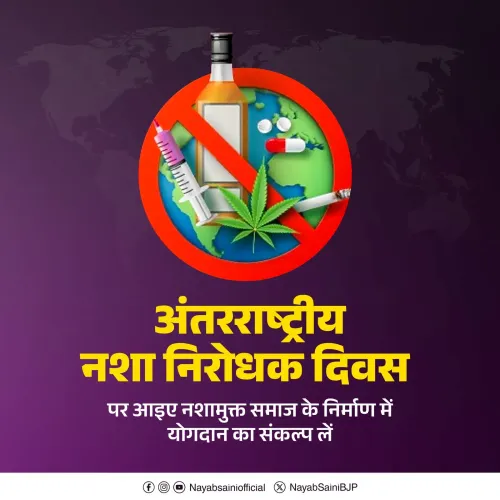
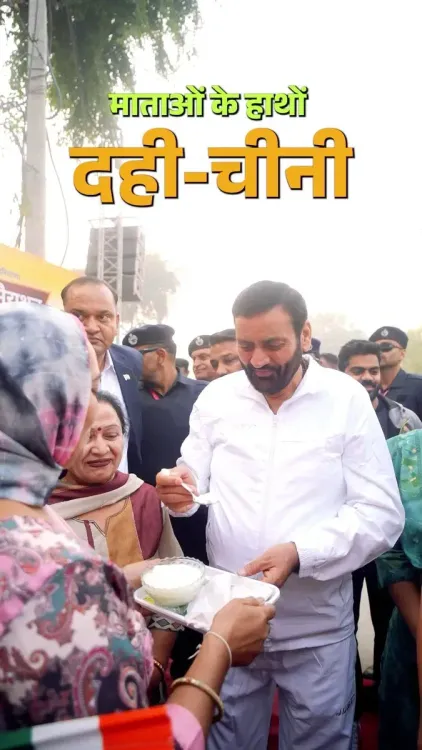
Haryana CM Nayab Singh Saini invoked maternal blessings and the national Nasha Mukt Bharat Abhiyan on 22 November 2026 to frame the state's anti-drug campaign as a community covenant — one rooted in family, not just enforcement.
Key Takeaways
CM Nayab Singh Saini posted on 22 November 2026 invoking the dahi-cheeni tradition to symbolise mothers' blessings for Haryana's anti-drug drive.
He stated that no mother or sister wants a son or brother consumed by addiction, centering families — especially women — as the campaign's moral backbone.
The post carries hashtags #DrugsFreeHaryana and #NashaMuktBharat , signalling alignment with the national Nasha Mukt Bharat Abhiyan launched in 2020 .
The national Abhiyan, run by the Ministry of Social Justice and Empowerment, explicitly mobilises women's groups and community leaders for prevention over enforcement.
Haryana has historically run state-level awareness drives emphasising maternal and youth participation in its anti-narcotics messaging.
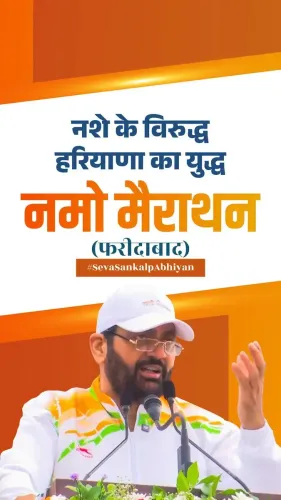
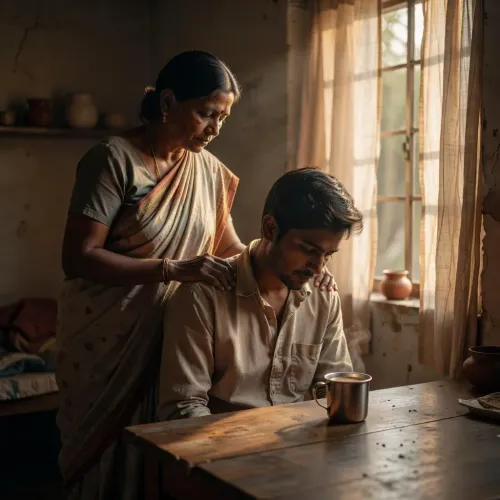
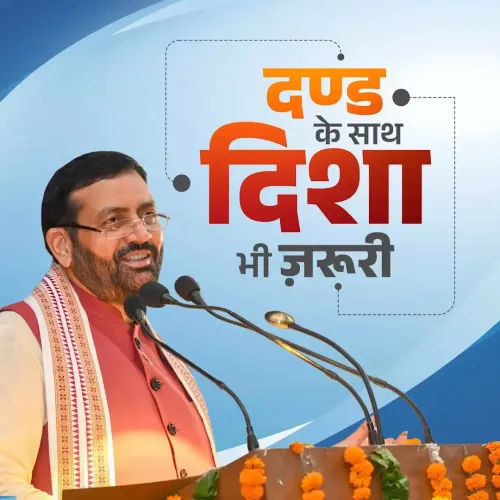
Mothers fed him dahi-cheeni — the age-old blessing of curd and sugar before a good journey — and Haryana Chief Minister Nayab Singh Saini is treating that ritual as the moral fuel behind his state's campaign against drug abuse. In a post on X on Sunday, 22 November 2026, Saini cast the fight against narcotics not as a law-and-order problem alone but as a family covenant, rooted in what every mother and sister in Haryana refuses to accept.
Translating his post: 'म्हारी माताओं ने खिलाई दही-चीनी' — 'Our mothers fed us curd and sugar' — Saini invoked a deeply personal image to frame the state's anti-narcotics messaging. 'No mother wants her son in the grip of addiction; no sister wants her brother trapped by drugs,' he wrote, before declaring: 'With mothers' blessings and the energy of our youth, Haryana is winning this battle against drugs.' He tagged both #DrugsFreeHaryana and #NashaMuktBharat.
The National Framework Haryana Is Plugging Into
The post is a deliberate alignment with the Nasha Mukt Bharat Abhiyan, the national campaign launched in 2020 by the Ministry of Social Justice and Empowerment. That programme was built on exactly the community-and-family architecture Saini is invoking — mobilising women's groups, youth clubs, and local leaders to create social pressure against substance abuse rather than relying on enforcement alone.
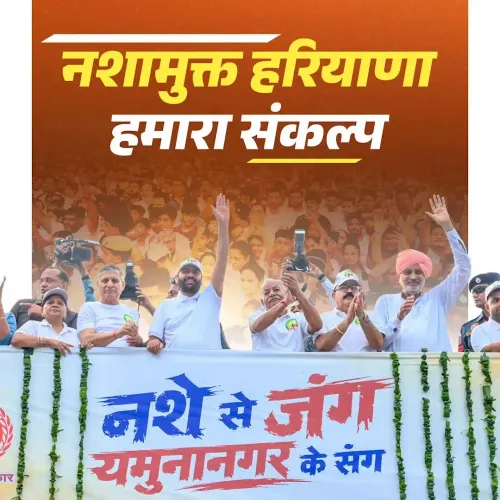
Haryana, a state where drug abuse among young men has drawn sustained public attention, has periodically highlighted maternal and youth participation in its own awareness drives. By anchoring his message in the dahi-cheeni moment, Saini connects a household custom to a state-level policy signal — the kind of narrative bridge that community-driven health campaigns depend on.
Families at the Front Line — Not Just the Police
The rhetorical choice matters. By centring mothers and sisters rather than police raids or conviction numbers, Saini's messaging frames prevention as a social responsibility distributed across every family, not a burden carried only by the administration. That framing mirrors the Nasha Mukt Bharat Abhiyan's own design philosophy, which explicitly asks community members — particularly women — to serve as the first line of defence.
The hashtags suggest coordination with the national Abhiyan's digital outreach, widening the audience beyond Haryana's borders. What remains to be seen — and what the state's data will eventually have to answer — is whether district-level de-addiction infrastructure is keeping pace with the momentum the messaging projects.
When a Chief Minister frames drug prevention as the fulfilment of a mother's blessing, he is raising the stakes in both directions: the promise is personal now, and the accountability that comes with it is too.
Point of View
Designed to give the Nasha Mukt Bharat Abhiyan a local, emotionally resonant face in Haryana. By anchoring the message in maternal imagery rather than enforcement statistics, the BJP-led state government positions the anti-drug campaign as a social-values movement — a framing that tends to draw wider, cross-party public sympathy. The dual hashtag strategy also suggests an effort to earn credit at the national level for a central government scheme. The harder test, however, will come when district-level de-addiction centre data and outcome reports arrive to either validate or complicate this optimistic narrative.
NationPress
22 Nov 2026
Frequently Asked Questions
What did Haryana CM Nayab Singh Saini say about drugs on 22 November 2026?
Saini posted on X invoking the tradition of mothers feeding curd and sugar as a blessing, declaring that with mothers' blessings and youth energy, Haryana is winning the battle against drugs under the #DrugsFreeHaryana campaign.
What is the Nasha Mukt Bharat Abhiyan?
The Nasha Mukt Bharat Abhiyan is a national campaign launched in 2020 by India's Ministry of Social Justice and Empowerment to mobilise communities — especially women and youth — against drug abuse and addiction.
Is Haryana running a drug-free campaign?
Yes, Haryana has an ongoing state-level anti-narcotics campaign aligned with the central Nasha Mukt Bharat Abhiyan, with awareness drives that emphasise the role of families and communities in preventing substance abuse.
What does dahi-cheeni mean in Nayab Saini's post?
Dahi-cheeni — curd and sugar — is a traditional Indian gesture where mothers feed it to their children before an important task as a blessing. Saini used it to symbolise maternal support for Haryana's anti-drug drive.
What is Nayab Singh Saini's role in Haryana?
Nayab Singh Saini is the Chief Minister of Haryana and a BJP leader who assumed office in 2024.