CM Nayab Saini Celebrates Haryana's Pagdi as Pride
Synopsis
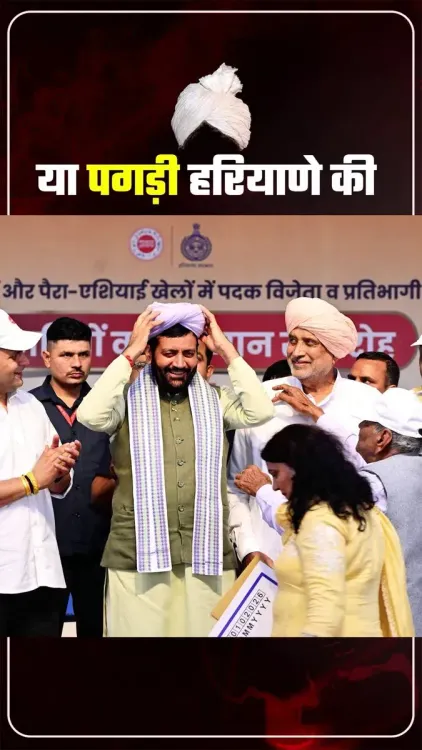
Haryana CM Nayab Singh Saini celebrated the traditional pagdi on X, calling it the pride and honour of Haryana in a heartfelt Haryanvi-language post accompanied by a video on October 30, 2026.
Key Takeaways
CM Nayab Singh Saini posted on X on October 30, 2026 celebrating the Haryanvi pagdi .
The post was written in the Haryanvi dialect , signalling a direct grassroots address.
The pagdi is a central symbol of dignity, honour, and community identity in Haryana .
The post was accompanied by a video and carried the hashtag #Haryana .
The gesture reflects a broader pattern of state leaders using cultural symbols to affirm regional identity.
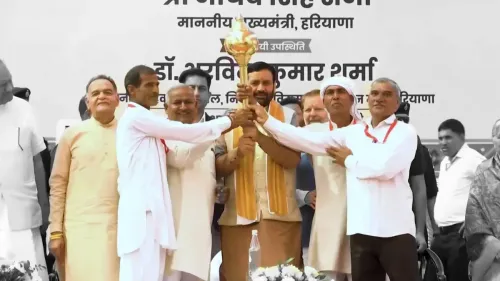
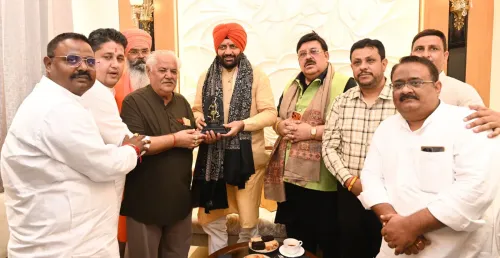
The turban is not just cloth — in Haryana, it is honour made visible. Haryana Chief Minister Nayab Singh Saini on Friday, October 30, 2026, took to X to celebrate the pagdi — the traditional Haryanvi turban — with a heartfelt Haryanvi phrase: 'म्हारा मान, म्हारी शान या पगड़ी हरियाणे की' ('Our pride, our honour — this pagdi of Haryana').
The post, accompanied by a video, carried the hashtag #Haryana and captured the deep cultural resonance the turban holds across the state's villages and towns.
What the Pagdi Means to Haryana
Across Haryana's rural heartland, the pagdi is far more than traditional headgear. It is a living symbol of dignity, community standing, and ancestral identity. To be presented with a pagdi is an honour; to have it removed or disrespected is among the gravest insults a Haryanvi can imagine. The turban sits at the intersection of caste, clan, and celebration — worn at weddings, worn to councils, worn as a statement of self. The state, which borders Delhi to the north and west, carries a distinct rural cultural vocabulary that sets it apart even within North India. Folk traditions, wrestling arenas, and festivals like Baisakhi all orbit around symbols of collective pride — the pagdi chief among them.Leaders and the Language of Heritage
State leaders across India periodically invoke regional cultural symbols to strengthen their connection with local identity. For CM Saini, a message in the Haryanvi dialect — not standard Hindi — signals a deliberate choice to speak directly to the state's grassroots population. The dialect itself is a marker of belonging, and pairing it with the pagdi image amplifies the reach of the gesture. Such cultural affirmations form a steady thread in the public engagement playbook of state governments, reinforcing heritage at a time when rapid urbanisation puts traditional symbols under quiet pressure. The pagdi endures. And in Haryana, that matters.Point of View
And positions the Chief Minister as a custodian of Haryanvi identity rather than merely an administrator. It is routine cultural outreach, but the consistency of such messaging builds a cumulative emotional bond with the electorate that policy announcements alone cannot replicate.
NationPress
30 Oct 2026
Frequently Asked Questions
What did Haryana CM Nayab Singh Saini post about the pagdi?
CM Saini shared a video on X calling the traditional Haryanvi turban 'our pride, our honour,' using the Haryanvi phrase 'म्हारा मान, म्हारी शान या पगड़ी हरियाणे की'.
What is the significance of the pagdi in Haryana?
The pagdi or turban is a deeply rooted symbol of dignity, honour, and community identity in Haryana, worn at important social occasions and considered a mark of respect and self-worth.
Why did CM Saini write the post in Haryanvi dialect?
Writing in the Haryanvi dialect signals a direct cultural connection with the state's rural grassroots population rather than a formal or administrative tone.
Is there a specific event linked to CM Saini's pagdi post?
No specific event or occasion has been confirmed in connection with the October 30, 2026 post; it reflects routine cultural engagement by the Chief Minister.
What broader pattern does CM Saini's pagdi post reflect?
State leaders across India regularly invoke regional cultural symbols to strengthen bonds with local communities, especially at a time when urbanisation puts traditional practices under pressure.