CM Saini Meets Punjab Farmers at Chandigarh Residence
Synopsis
Haryana Chief Minister Nayab Singh Saini held a direct dialogue with farmer representatives from Punjab at his Chandigarh residence on 26 May 2026, with discussions centred on agrarian distress, sector challenges, and disruptions in electricity supply for farming.
Key Takeaways
Haryana CM Nayab Singh Saini met Punjab farmer representatives at Sant Kabir Kutir , Chandigarh, on 26 May 2026 .
Representatives raised concerns about the worsening condition of farmers in Punjab and challenges facing the agriculture sector.
Disruptions in electricity supply for farming operations were a key grievance raised by the delegation.
Punjab has provided subsidised or free power to farmers since the 1990s , but supply reliability remains a persistent issue.
The meeting follows a pattern of direct CM-level engagement with farmer unions established during and after the 2020–21 farmers' protests .
A potential formal follow-up on power purchase agreements or a joint delegation to the Centre is being watched ahead of the kharif season .
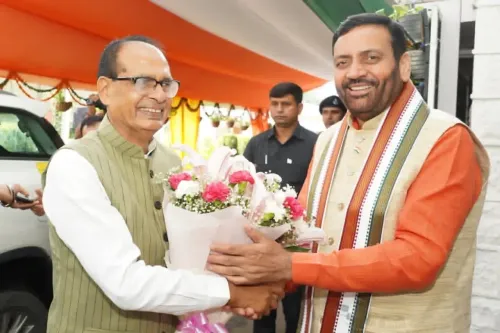
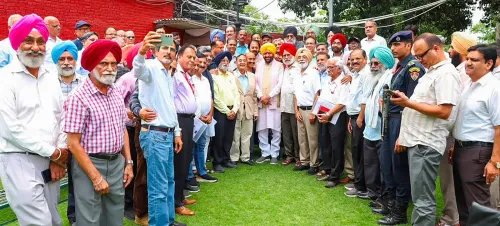
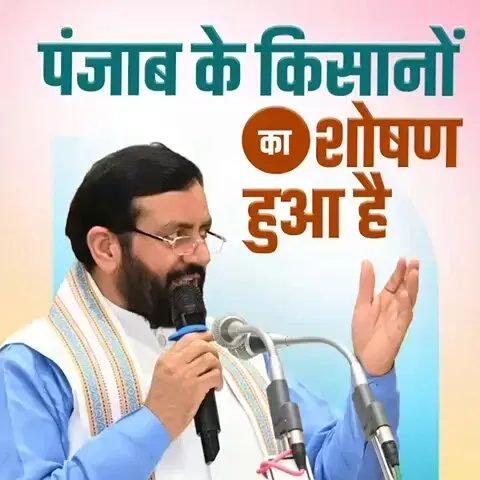
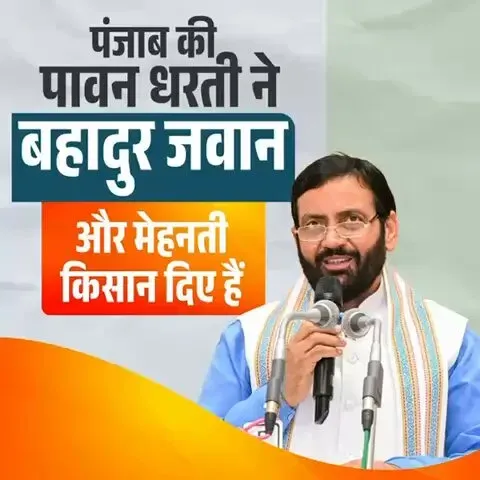
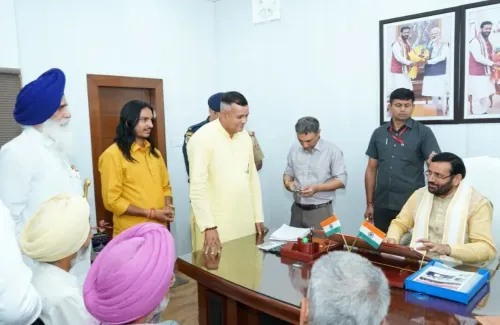
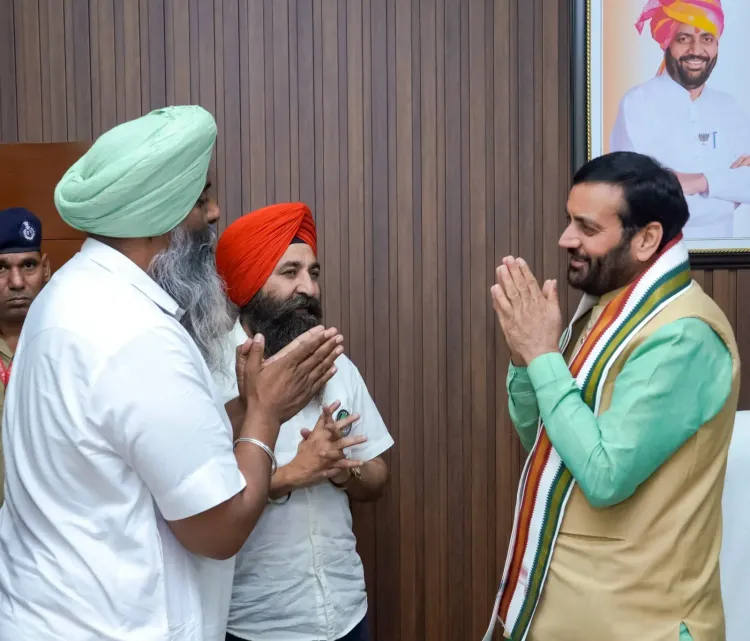
Haryana Chief Minister Nayab Singh Saini met farmer representatives and leaders of various farmer organisations from Punjab at Sant Kabir Kutir, the official Chief Minister's residence in Chandigarh, on Tuesday, 26 May 2026. The meeting focused on the deteriorating condition of farmers in Punjab, challenges facing the agriculture sector, and disruptions in electricity supply for farming operations.
Context
Saini took to X to share details of the engagement, writing: 'Aaj Punjab se Sant Kabir Kutir par padhare kisan bhaion evam vibhinn kisan sangathano ke pratinidhiyon se aatmiy bhent evam samvad kiya' — ('Today, I had a warm meeting and dialogue with farmer brothers who came from Punjab to Sant Kabir Kutir and with representatives of various farmer organisations.')
According to the post, the representatives raised concerns about the worsening condition of farmers in Punjab, challenges linked to the agriculture sector, and problems in electricity supply for farming. The meeting was held in a spirit of direct dialogue, with photographs from the session shared alongside the post.
Policy Backdrop
Punjab has a long history of subsidised or free power supply to farmers, a policy introduced in phases since the 1990s. While the subsidy has provided relief to cultivators, it has repeatedly raised questions about supply reliability and the financial health of state power distribution companies.
The 2020–21 farmers' protests, which were centred largely in Punjab and saw farmers camp at Delhi's borders for over a year, established a pattern of direct engagement between state-level leaders and farmer unions on issues of power, procurement, and debt. The eventual repeal of three central farm laws underscored the political weight that organised farmer groups carry in the region.
Haryana and Punjab share the same agro-climatic zone and face parallel pressures — groundwater depletion, seasonal power shortages, and stagnant farm incomes — making cross-border farmer delegations to Chandigarh a recurring feature of regional politics.
Stakeholders and Impact
The visiting delegation represented farmers and farmer organisations from Punjab, a constituency that has historically been vocal and organised in pressing both state and central governments on agricultural policy. Organisations such as the Bharatiya Kisan Union and its affiliates have branches across northern India and have been central to past agitations over minimum support price, input costs, and power tariffs.
For CM Saini, receiving a Punjab farmer delegation at his official residence signals a willingness to engage with agrarian grievances that cross state lines — a gesture with both policy and political dimensions ahead of the upcoming kharif season.
What's Next
The key question following this meeting is whether it leads to a formal follow-up — either a joint coordination mechanism between the two state governments on power purchase agreements, or a cross-party delegation to the Centre on agricultural power tariffs. With the kharif sowing season approaching, timely resolution of electricity supply issues could have an immediate bearing on crop outcomes for Punjab's farming community.
Any concrete policy announcement or a scheduled follow-up meeting between Haryana and Punjab officials will be closely watched by farmer groups across the region.
Point of View
Particularly as kharif season approaches and power supply tensions typically peak. The electricity supply issue, if unresolved, carries the potential to re-energise farmer union mobilisation in the region. Whether this meeting translates into tangible inter-state coordination or remains a symbolic gesture will determine its lasting political and policy value.
NationPress
22 Sept 2026
Frequently Asked Questions
Why did Punjab farmers meet Haryana CM Nayab Singh Saini?
Punjab farmer representatives visited CM Nayab Singh Saini at Sant Kabir Kutir in Chandigarh on 26 May 2026 to raise concerns about worsening agrarian conditions, sector challenges, and disruptions in electricity supply for farming in Punjab.
What is Sant Kabir Kutir?
Sant Kabir Kutir is the official residence of the Haryana Chief Minister, located in Chandigarh, and is regularly used for official meetings and state-level engagements.
What are the main issues facing Punjab farmers right now?
Punjab farmers have flagged deteriorating farm incomes, challenges across the agriculture sector, and unreliable electricity supply during critical farming periods as their primary concerns.
What is the history of free power for farmers in Punjab?
Punjab introduced subsidised or free electricity for farmers in phases beginning in the 1990s. While it provides financial relief, it has repeatedly raised concerns about supply reliability and the financial sustainability of state power utilities.
Will there be a follow-up meeting between Haryana and Punjab on farmer issues?
No formal follow-up has been announced yet. Observers are watching for a possible joint inter-state coordination mechanism or a delegation to the Centre on agricultural power tariffs ahead of the kharif season.