CM Nayab Saini Reviews Revenue Welfare Schemes With District Officials
Synopsis
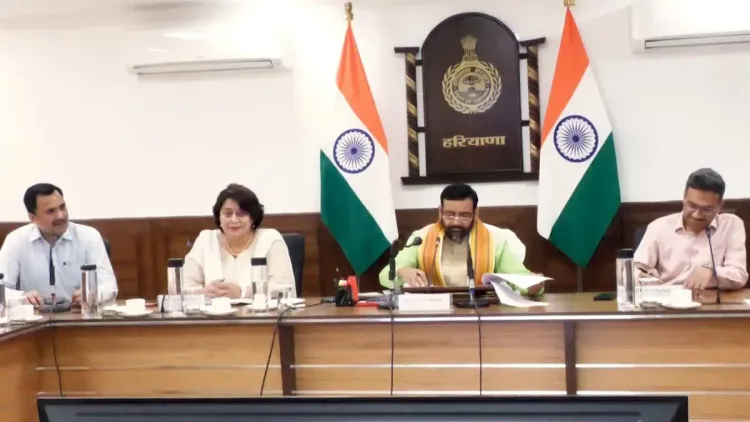
Chief Minister Nayab Singh Saini on 19 July 2026 chaired a key review meeting with all Haryana district Deputy Commissioners and Municipal Corporation Commissioners to assess the progress of Revenue Department welfare schemes, reinforcing the state's push for administrative accountability.
Key Takeaways
Chief Minister Nayab Singh Saini chaired an important review meeting on 19 July 2026 .
All district Deputy Commissioners and Municipal Corporation Commissioners across Haryana participated.
The meeting focused on the progress and effective implementation of welfare schemes run by the Haryana Revenue Department .
The Revenue Department acts as a nodal agency linking land records with direct benefit transfers and compensation schemes for citizens.
Haryana has held CM-level reviews of revenue-linked welfare schemes consistently since the 2024 leadership transition under Saini.
Follow-up directives to districts and a quarterly progress report are expected ahead of the 2026-27 budget session.
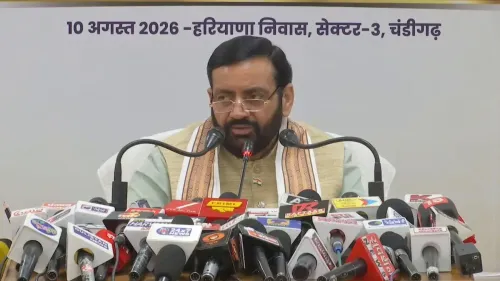
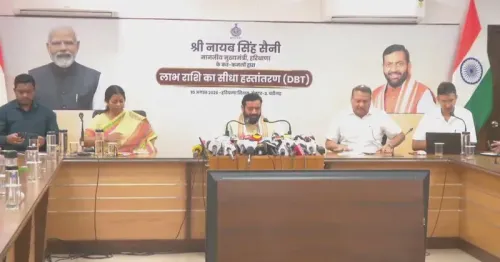
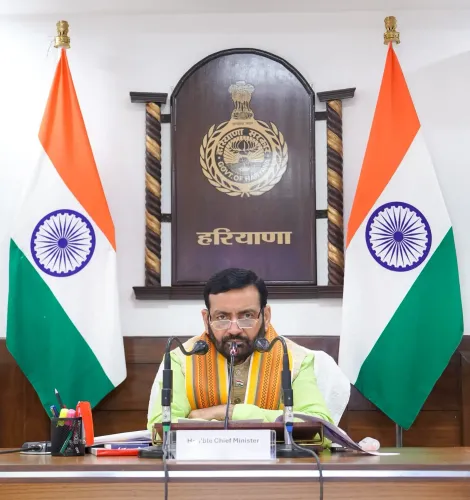
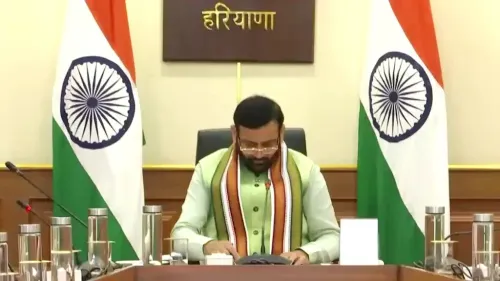
The Chief Minister's Office of Haryana announced on Sunday, 19 July 2026, that Chief Minister Nayab Singh Saini chaired a key review meeting with all district Deputy Commissioners and Municipal Corporation Commissioners to assess the progress and effective implementation of various public welfare schemes run by the state's Revenue Department.
Context
The meeting, described in the official post as a 'महत्वपूर्ण समीक्षा बैठक' ('important review meeting'), brought together senior administrative officers from across Haryana under one forum. The Chief Minister personally led a detailed review — 'विस्तृत समीक्षा' — of the welfare schemes operated by the Revenue Department, signalling the government's emphasis on direct accountability from district-level functionaries.
The Revenue Department in Haryana serves as a nodal agency linking land records administration with direct benefit transfers and compensation schemes for citizens. Convening both Deputy Commissioners and Municipal Corporation Commissioners together reflects a coordinated push to align rural and urban delivery of these programmes.
Policy Backdrop
Haryana has been on an accelerated path of digitising land records since 2016 under the Digital India Land Records Modernisation Programme. Successive governments have used periodic CM-level reviews to track on-ground delivery of revenue-linked welfare benefits.
After Nayab Singh Saini assumed charge as Chief Minister in March 2024, succeeding Manohar Lal Khattar, the state retained and intensified monthly performance reviews of revenue-linked welfare schemes. Such structured reviews are designed to surface implementation bottlenecks and accelerate grievance redressal at the district level.
Stakeholders and Impact
The primary stakeholders of this review are the citizens of Haryana who are beneficiaries of Revenue Department-administered welfare programmes — including compensation schemes and record-linked direct benefit transfers. District Deputy Commissioners, who function as the principal administrative authority at the district level, are directly accountable for scheme delivery on the ground.
Municipal Corporation Commissioners represent the urban administrative arm, ensuring that welfare outreach extends to city residents as effectively as it does to rural populations. Their joint participation in a single review forum underscores the government's intent to close gaps between urban and rural programme outcomes.
What's Next
The next milestone to watch is the release of a quarterly progress report on revenue-linked welfare schemes, along with any follow-up directives issued to district administrations ahead of the 2026-27 budget session. Consistent CM-level engagement with district machinery typically precedes either a policy announcement or a course correction in scheme implementation timelines.
The review also sets the administrative tone ahead of the upcoming legislative calendar, where the government may be expected to demonstrate measurable outcomes from its welfare delivery apparatus.
Point of View
A persistent weak point in state welfare delivery. This review fits a broader pattern of BJP-led state governments using high-visibility administrative meetings to demonstrate governance credibility. The real test will be whether follow-up action and measurable beneficiary outcomes are made public.
NationPress
18 Oct 2026
Frequently Asked Questions
What was the review meeting held by CM Nayab Saini on 19 July 2026 about?
CM Nayab Singh Saini chaired a review meeting with all district Deputy Commissioners and Municipal Corporation Commissioners in Haryana to assess the progress and implementation of public welfare schemes run by the state Revenue Department.
Who attended the Haryana CM's Revenue Department review meeting?
All district Deputy Commissioners and Municipal Corporation Commissioners from across Haryana attended the meeting chaired by Chief Minister Nayab Singh Saini.
What does the Haryana Revenue Department do for welfare schemes?
The Haryana Revenue Department acts as a nodal agency that links land records administration with direct benefit transfers and compensation schemes for citizens across the state.
When did Nayab Singh Saini become Chief Minister of Haryana?
Nayab Singh Saini became Chief Minister of Haryana in March 2024, succeeding Manohar Lal Khattar.
What is the Digital India Land Records Modernisation Programme in Haryana?
It is a central government-backed programme under which Haryana accelerated the digitisation of land records from 2016 onward, with periodic CM-level reviews to track progress and welfare delivery.