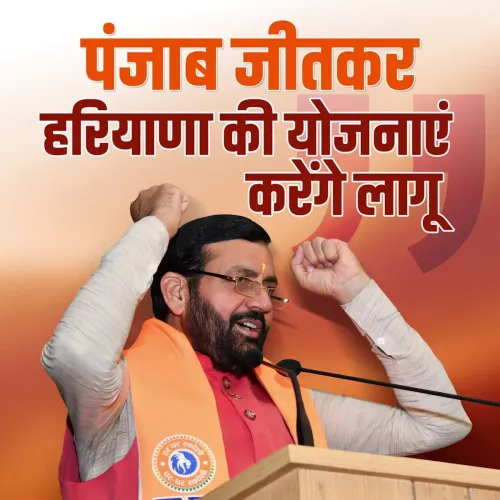
CM Saini Says Punjab Fed Up With AAP, Bets on Haryana Model
Synopsis
Haryana CM Nayab Singh Saini declared Punjab voters are fed up with AAP and ready to elect BJP, pitching the 'Haryana model of development' as the state's alternative ahead of Punjab assembly elections due around 2027.
Key Takeaways
Haryana CM Nayab Singh Saini claimed on 20 November 2026 that Punjab voters are fed up with the AAP government.
Saini urged Punjab to vote BJP to replicate what he called the 'Haryana model of development.' AAP won Punjab in the 2022 assembly elections with a historic majority; the next elections are due around 2027 .
BJP has governed Haryana since 2014 , citing infrastructure and welfare delivery as its core record.
The post signals BJP is building its Punjab campaign narrative well ahead of the formal election cycle.
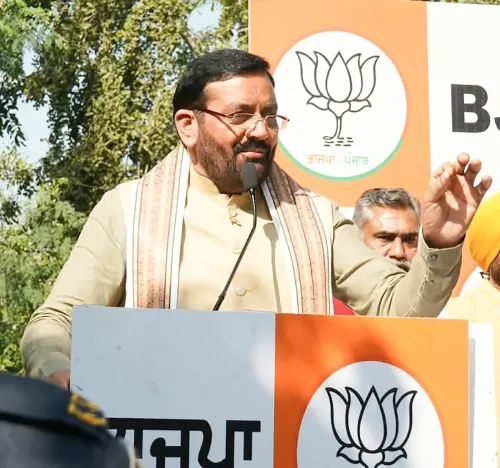
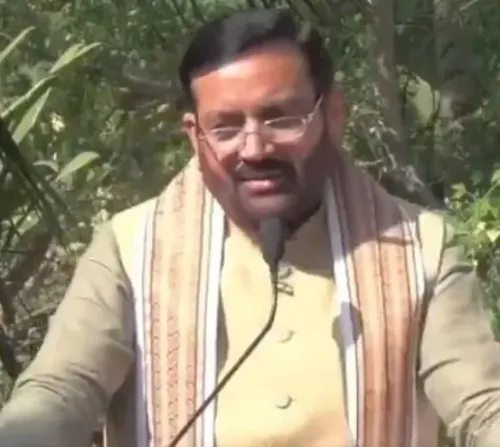
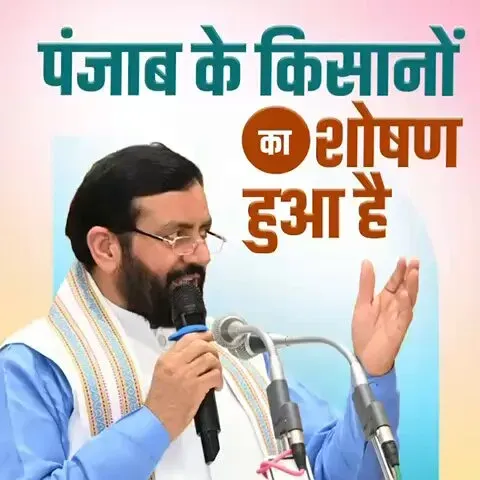
Haryana Chief Minister Nayab Singh Saini threw down a direct electoral challenge on Friday, 20 November 2026, declaring that the people of Punjab are exhausted with the Aam Aadmi Party government and are ready to turn to BJP — bringing what he called the 'Haryana model of development' across the border.
The Haryana Model BJP Wants to Export
BJP has governed Haryana since 2014, building a campaign narrative around infrastructure expansion and welfare delivery. Saini has consistently positioned this record as a replicable template — not just a local achievement but a transferable blueprint that neighbouring states can adopt if they vote BJP into power.
The pitch is deliberate. Punjab and Haryana share a border, an agricultural economy, and deep cultural ties. When a Haryana chief minister frames his state's growth story as a mirror Punjab voters should look into, the message lands with geographic and emotional precision.
AAP's Punjab Incumbency Under BJP's Lens
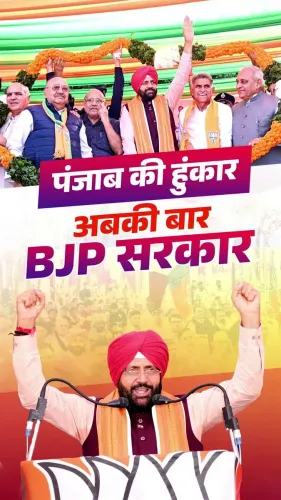
AAP swept into power in Punjab in the 2022 assembly elections with a historic majority, promising a governance revolution. That mandate is now approaching its midpoint, and BJP is working methodically to frame AAP's incumbency as a disappointment — positioning itself as the credible alternative ahead of the next assembly elections due around 2027.
Saini's post is a salvo in that slow-burn campaign. By putting the words 'fed up' into Punjab voters' mouths, he is trying to crystallise a sentiment and give it political direction — framing frustration, real or perceived, as a mandate waiting to happen.
A Northern India Battle Taking Shape Early
The BJP-AAP rivalry in northern India has intensified as both parties compete for the same demographic: urban working-class and rural voters who want tangible governance results. BJP holds Haryana; AAP holds Punjab and has governed Delhi. Each state result becomes a data point the other party weaponises.
Saini is not waiting for the campaign calendar to open. The earlier the 'Haryana model' framing takes root in Punjab's public conversation, the harder it is for AAP to dislodge it by polling day.
The next Punjab assembly elections will test whether a development record from one state can genuinely move voters in another — or whether incumbency, local issues, and AAP's own delivery story write a different ending.
Point of View
BJP aims to frame the 2027 Punjab contest on its own terms before AAP can consolidate its mid-term narrative. The BJP-AAP rivalry in northern India is increasingly a proxy war over which party owns the 'governance delivery' claim. Saini's pre-emptive salvo suggests BJP views Punjab's anti-incumbency window as a live opportunity, not a distant prospect. How AAP responds — either by doubling down on its own Punjab record or by attacking Haryana's — will define the early temperature of a campaign that is quietly already underway.
NationPress
20 Nov 2026
Frequently Asked Questions
What did Haryana CM Nayab Singh Saini say about Punjab?
CM Saini said people in Punjab are fed up with the AAP government and will vote for BJP to replicate the Haryana model of development in their state.
What is the Haryana model of development?
The term refers to BJP's governance record in Haryana since 2014, centred on infrastructure expansion and welfare scheme delivery, which the party promotes as a replicable template for other states.
When are the next Punjab assembly elections?
The next Punjab assembly elections are due around 2027, following AAP's landslide victory in the 2022 elections.
How long has AAP governed Punjab?
AAP has governed Punjab since winning the 2022 assembly elections, when it secured a historic majority in the state.
Why is BJP targeting Punjab ahead of elections?
BJP is seeking to frame AAP's incumbency as a disappointment and position its Haryana development record as a credible alternative, building its campaign narrative well before formal elections begin.