CM Saini Calls for Tobacco-Free Haryana on No Tobacco Day
Synopsis
On World No Tobacco Day, 31 May 2026, Haryana Chief Minister Nayab Singh Saini called on citizens to pledge toward a healthy, aware, and addiction-free society, linking tobacco control to his vision of a developed Haryana.
Key Takeaways
Haryana CM Nayab Singh Saini posted a World No Tobacco Day message on 31 May 2026 urging a pledge for a tobacco-free society.
He stated that smoking causes 'numerous serious diseases' affecting not just individuals but also families and society.
India's COTPA 2003 prohibits smoking in public places and restricts tobacco advertising nationwide.
The National Tobacco Control Programme (NTCP) , launched in 2007-08 , funds state-level awareness and enforcement activities.
India ratified the WHO Framework Convention on Tobacco Control (FCTC) in 2005 , binding it to international tobacco reduction standards.
The appeal aligns with the Viksit Bharat 2047 vision, which includes public health as a core development pillar.
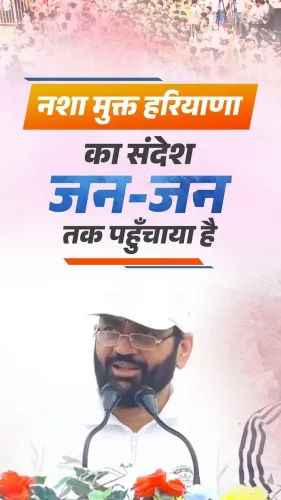
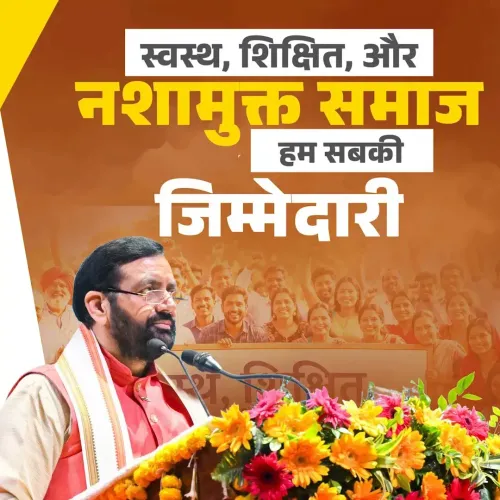
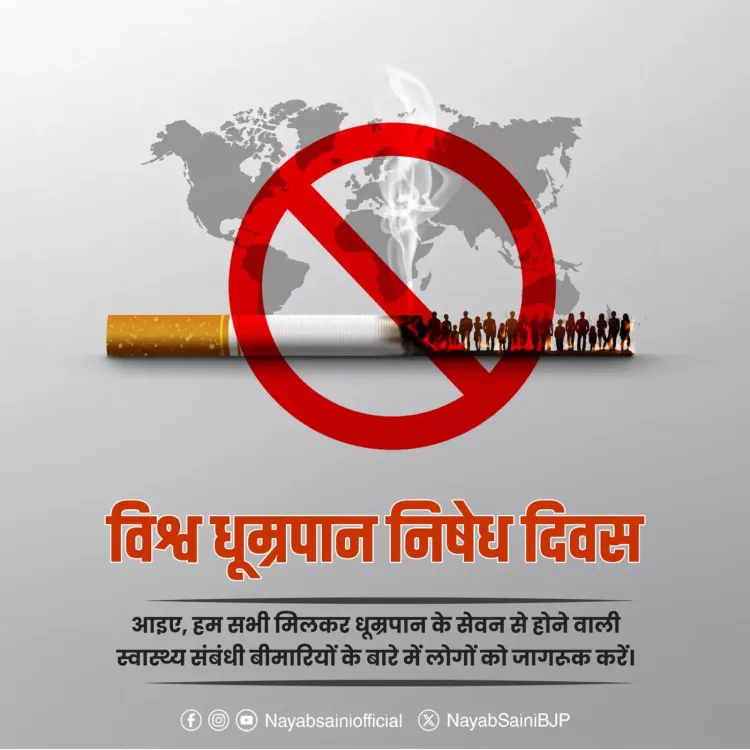
Haryana Chief Minister Nayab Singh Saini on Sunday, 31 May 2026, marked World No Tobacco Day by calling on citizens to pledge commitment toward building a healthy, aware, and addiction-free society, linking individual behavioural change to his vision of a developed Haryana.
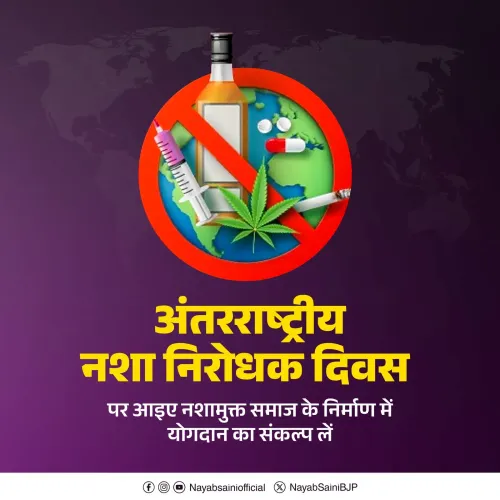
Posting in Hindi on the occasion, CM Saini wrote: 'Vishwa Dhumrapan Nishedh Divas par aaiye, hum sabhi swasth, jagruk aur nashamukta samaj ke nirman ka sankalp lein' ['On World No Tobacco Day, let us all resolve to build a healthy, aware, and addiction-free society']. He added that smoking causes numerous serious diseases and affects not only the individual but is also a matter of concern for family and society — framing the appeal under the goal of a 'developed and healthy Haryana.'
Context
World No Tobacco Day is observed every year on 31 May under the aegis of the World Health Organization (WHO) to highlight the health risks associated with tobacco use and advocate for effective policies to reduce consumption. The day draws renewed public messaging from governments, health ministries, and elected leaders globally. CM Saini's post follows a pattern seen across Indian state governments, where the occasion is used to reinforce anti-tobacco awareness aligned with national health targets.
Policy Backdrop
India has a robust legislative framework governing tobacco control. The Cigarettes and Other Tobacco Products Act (COTPA), 2003 prohibits smoking in public places and restricts tobacco advertising. India also ratified the WHO Framework Convention on Tobacco Control (FCTC) in 2005, committing to internationally recognised tobacco control standards.
At the national level, the National Tobacco Control Programme (NTCP), launched in 2007-08, supports state-level implementation of tobacco control laws and awareness campaigns. The National Health Policy 2017 further set explicit targets to reduce tobacco use prevalence as part of a broader non-communicable disease (NCD) prevention strategy. Haryana, as a state with a significant agricultural and industrial workforce, has a direct stake in reducing the healthcare burden linked to tobacco-related illnesses.
Stakeholders and Impact
The message is directed at Haryana's general population, with particular resonance for tobacco users, their families, and the state's public health infrastructure. Tobacco-related diseases — including cancers, cardiovascular conditions, and chronic respiratory illnesses — impose a significant economic and social cost on households and state health systems alike.
The Viksit Bharat 2047 vision championed by the BJP-led central government explicitly includes health as a development pillar, and state-level campaigns such as this one are positioned as complementary to that national agenda. Anti-tobacco messaging from state leaders also reinforces the mandate of district-level tobacco control cells operating under the NTCP.
What's Next
Beyond symbolic observances, policy watchers will look to Haryana's state budget allocations for tobacco control infrastructure, enforcement of COTPA provisions at the local level, and any proposed updates to point-of-sale display regulations or state tobacco taxation. Sustained follow-through on anti-tobacco commitments — through enforcement, cessation support, and school-level awareness — will determine whether annual messaging translates into measurable reductions in tobacco use prevalence across the state.
Point of View
The 'developed and healthy Haryana' frame ties personal health choices to the broader Viksit Bharat 2047 narrative. The real test of political will lies not in the message but in budget allocations for NTCP cells, COTPA enforcement density, and access to cessation services at the primary health centre level. Until those indicators move, such observances remain important awareness signals but fall short of structural policy action.
NationPress
24 Sept 2026
Frequently Asked Questions
What is World No Tobacco Day and when is it observed?
World No Tobacco Day is observed every year on 31 May by the World Health Organization to raise awareness about the health risks of tobacco use and promote policies to reduce consumption globally.
What did Haryana CM Nayab Singh Saini say on World No Tobacco Day 2026?
CM Saini called on citizens to resolve to build a healthy, aware, and addiction-free society, stating that smoking causes numerous serious diseases and harms not just individuals but also families and society.
What is India's main law against tobacco use in public?
India's primary tobacco control law is the Cigarettes and Other Tobacco Products Act (COTPA) 2003, which prohibits smoking in public places and restricts tobacco advertising and promotion.
What is the National Tobacco Control Programme in India?
The National Tobacco Control Programme (NTCP) is a central government scheme launched in 2007-08 to implement tobacco control laws, run awareness campaigns, and support state-level tobacco control cells across India.
How does Haryana's anti-tobacco messaging connect to national health policy?
Haryana's messaging aligns with the National Health Policy 2017, which set targets to reduce tobacco use as part of NCD prevention, and with the Viksit Bharat 2047 vision that includes public health as a development priority.