CM Saini Welcomes Wangchuk's Fast End After PM Modi's Move
Synopsis
Haryana CM Nayab Singh Saini welcomed Sonam Wangchuk's decision to end his hunger strike on 24 July 2026, crediting PM Modi's intervention and the presence of Union Ministers Nadda and Jitendra Singh. The government has committed to placing a draft legislation before Parliament to strengthen protections for youth and students.
Key Takeaways
Sonam Wangchuk ended his hunger strike following late-night assurances from the central government.
Union Ministers JP Nadda and Jitendra Singh were present at the resolution of the fast.
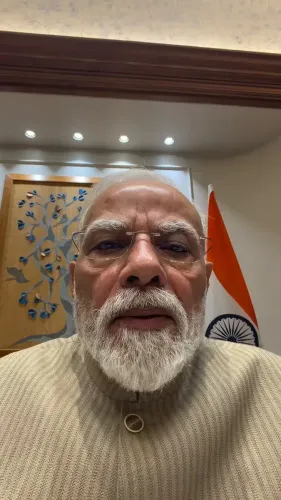
Haryana CM Nayab Singh Saini credited PM Narendra Modi's 'sensitive and decisive intervention' for the outcome.
The government has committed to drafting legislation to ensure swift judicial action and stringent punishment, with a focus on protecting youth and students .
The draft will first be considered by the Union Cabinet before being introduced in Parliament .
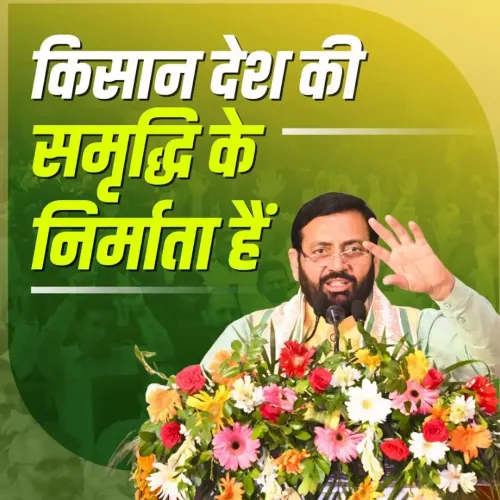
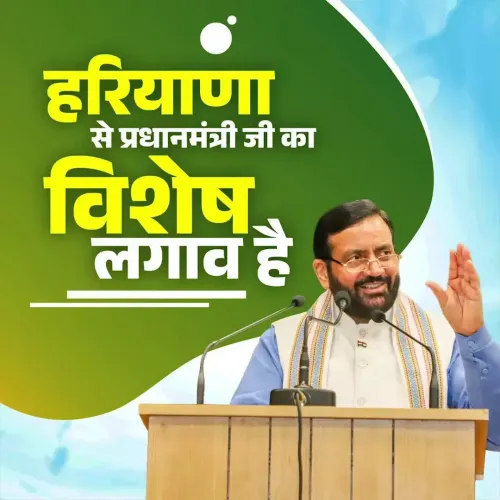
Haryana Chief Minister Nayab Singh Saini on Friday, 24 July 2026, welcomed the decision by Ladakhi activist Sonam Wangchuk to end his hunger strike, crediting the intervention of Prime Minister Narendra Modi and the presence of senior Union Ministers for bringing the protest to a close.
Context
Sonam Wangchuk, the Ladakhi innovator and environmental activist widely known for his campaigns on regional rights and development, had been on a fast that concluded after late-night assurances were extended by the central government. CM Saini described the development as 'swagat yogya' (welcome), calling it a reflection of the government's sincerity.
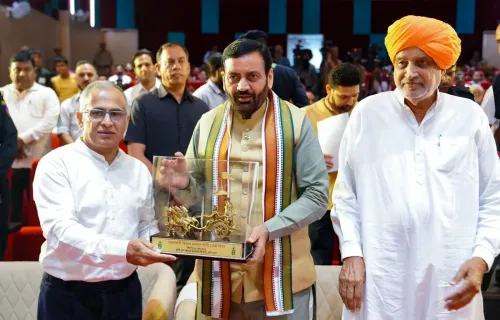
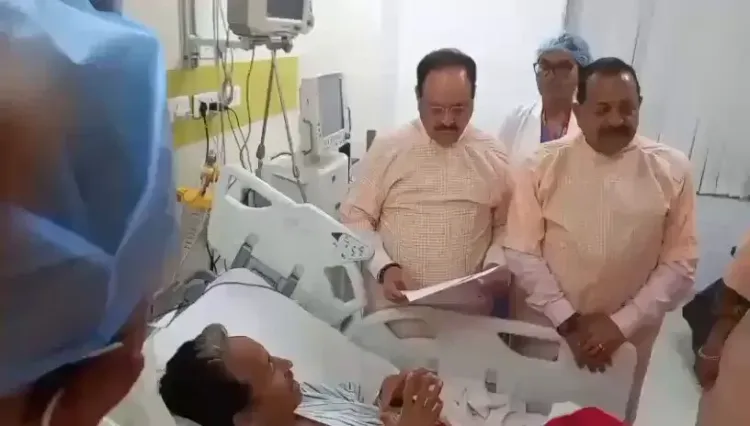
The fast ended in the presence of Union Minister Jagat Prakash Nadda and Union Minister Jitendra Singh, both of whom represented the central government at the resolution meeting. Saini noted that their attendance itself signalled the seriousness with which the government approached the matter.
Policy Backdrop
The central government has, since 2019, engaged with Ladakh-related concerns through a series of high-level assurances covering development, autonomy, and legal protections for the region's residents. The pattern of deploying cabinet-level figures to defuse protests has been a recurring feature of this engagement.
CM Saini stated that the government, under PM Modi's leadership, is committed to ensuring an effective legal framework on the subject. He added that a draft will be considered by the Union Cabinet before being placed before Parliament, with the goal of enabling swift action against the guilty, stringent punishment, and an effective judicial mechanism.
Stakeholders and Impact
The stated beneficiaries of the proposed legislation are youth and students, with CM Saini emphasising that the measures are aimed at strengthening their trust in the justice system. The framing positions the legislative effort as a direct response to concerns raised through the protest.
The involvement of two senior Union Ministers — Nadda and Jitendra Singh — at the conclusion of the fast underlines the political weight the government chose to attach to the resolution, signalling that the matter is being treated as a priority at the cabinet level.
What's Next
The immediate next step is a Union Cabinet discussion on a draft legislation, after which the bill is expected to be introduced in Parliament. The government has committed to a framework that ensures rapid judicial action and strict penalties.
Whether the legislative timeline is met and whether the draft addresses the specific concerns that prompted Wangchuk's fast will be closely watched by civil society groups, Ladakh's political representatives, and student organisations across the country.
Point of View
If delivered, claimed as a win. The emphasis on protecting 'youth and students' broadens the political constituency beyond Ladakh, suggesting the government sees legislative value in a wider framing. Whether the bill materialises on the promised timeline will be the real test of the assurances given that night.
NationPress
24 Jul 2026
Frequently Asked Questions
Why did Sonam Wangchuk end his hunger strike?
Sonam Wangchuk ended his hunger strike after receiving late-night assurances from the central government, with Union Ministers JP Nadda and Jitendra Singh present at the resolution meeting.
What did CM Nayab Singh Saini say about Wangchuk's fast ending?
CM Nayab Singh Saini called the development 'welcome' and credited PM Modi's 'sensitive and decisive intervention' as the key reason the protest concluded.
What legislation has the government promised after Wangchuk's fast?
The government has committed to drafting legislation aimed at ensuring swift action against the guilty, stringent punishment, and an effective judicial mechanism, particularly for the protection of youth and students. The draft will go to the Union Cabinet before being placed before Parliament.
Who represented the central government when Wangchuk ended his fast?
Union Minister Jagat Prakash Nadda and Union Minister Jitendra Singh were present on behalf of the central government when Sonam Wangchuk ended his hunger strike.
What is the significance of Sonam Wangchuk's protest?
Sonam Wangchuk is a prominent Ladakhi activist known for campaigns on regional rights, environmental protection, and governance issues in Ladakh. His hunger strikes have historically drawn national attention to concerns about the region's development and legal status.