CM Sai's Office Holds Transport Dept Review at Mahanadi Bhawan
Synopsis
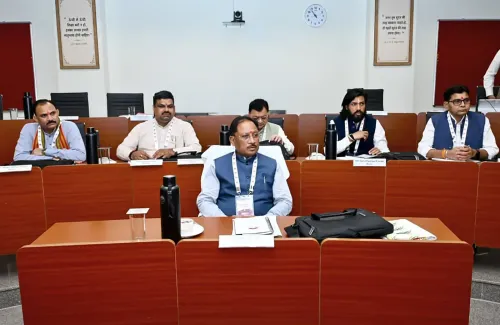
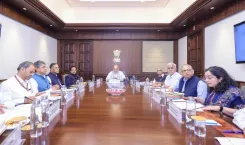
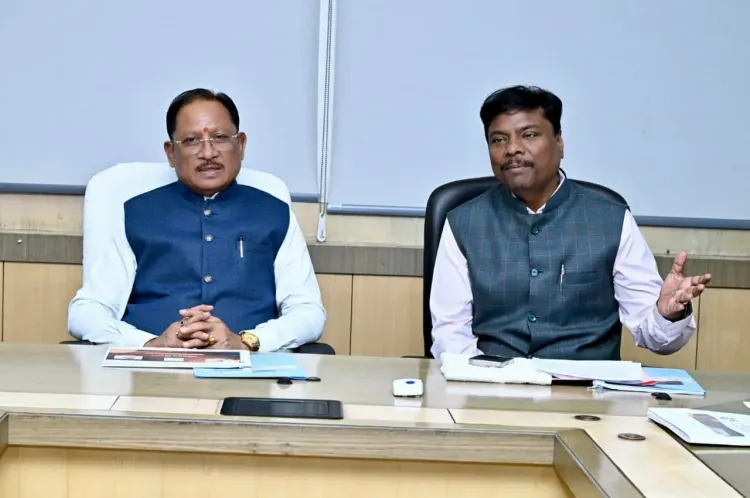
The Chhattisgarh CMO convened a Transport Department review meeting at Mahanadi Bhawan, Nava Raipur Atal Nagar on 29 September 2026, continuing the Vishnu Deo Sai government's 'Sushasan Sarkar' push for structured departmental accountability.
Key Takeaways
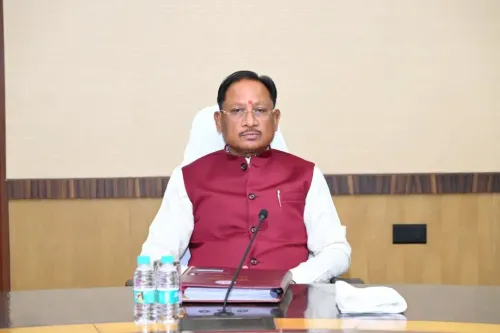
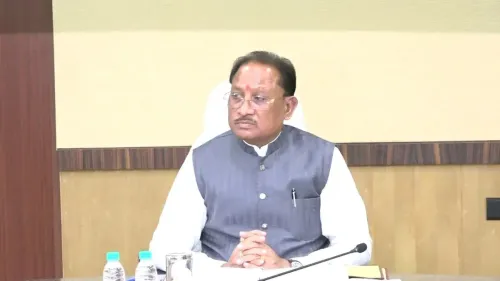
The Chief Minister's Office of Chhattisgarh held a Transport Department review meeting on 29 September 2026 .
The meeting was held at Mahanadi Bhawan, Nava Raipur Atal Nagar , the state's planned new capital secretariat.
The review falls under the Sushasan Sarkar (good-governance) programme of the Vishnu Deo Sai -led BJP government.
The Transport Department oversees vehicle registration, road safety, public transport, and revenue collection in the state.
The Sai administration has made regular departmental review meetings a signature governance practice since December 2023 .
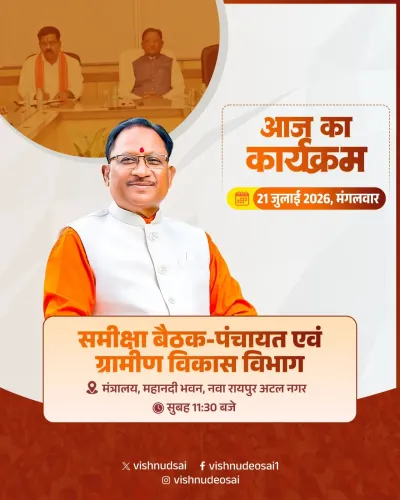
Good governance demands more than promises — it demands paperwork, performance data, and someone asking hard questions in a room. The Chief Minister's Office of Chhattisgarh signalled exactly that on Tuesday, 29 September 2026, when a review meeting of the state's Transport Department was convened at Mahanadi Bhawan, Nava Raipur Atal Nagar — the nerve centre of the state secretariat.
Inside the Secretariat: What a Transport Review Actually Covers
The Transport Department in any Indian state is a sprawling administrative machine — responsible for vehicle registration, road safety enforcement, public transport regulation, and revenue collection through taxation. A formal departmental review of this kind typically places scheme implementation progress, pending targets, and on-ground compliance under the microscope. The meeting, held under the banner of Sushasan Sarkar (good-governance government), reflects the current administration's stated commitment to structured executive oversight.
Nava Raipur Atal Nagar: The Capital That Signals Intent
The choice of venue is itself a statement. Nava Raipur Atal Nagar is the planned new capital of Chhattisgarh, purpose-built as a modern administrative hub. Holding high-level departmental reviews at Mahanadi Bhawan — the state secretariat located there — underlines the current government's push to fully operationalise the new capital as the seat of executive power. Chief Minister Vishnu Deo Sai, who has led the BJP-led state government since December 2023, has consistently used such departmental reviews as a visible governance tool.
The 'Sushasan Sarkar' Rhythm of Regular Reviews
Since coming to power after the December 2023 assembly elections, the Sai administration has institutionalised regular line-department review meetings as a core feature of its governance identity. The #Sushasansarkar hashtag accompanying the post is not incidental — it is a deliberate branding of executive accountability. Transport, given its direct interface with citizens and its revenue significance, is a natural priority sector for such scrutiny. What emerges from this meeting — whether revised road-safety targets, public transport upgrades, or vehicle taxation policy shifts — will be the real measure of the exercise.
Point of View
Making it a smart choice for a public accountability signal. The real test, however, lies in what concrete policy or administrative changes follow: without follow-up announcements, review meetings risk becoming performative rather than transformative. Analysts watching Chhattisgarh's administrative trajectory will look for measurable outcomes — road-safety data, public transport expansion, or revenue targets — to assess whether the governance theatre translates into governance delivery.
NationPress
29 Sept 2026
Frequently Asked Questions
What is the Chhattisgarh Transport Department responsible for?
The Chhattisgarh Transport Department handles vehicle registration, road safety enforcement, public transport regulation, and vehicle taxation across the state.
Where is Mahanadi Bhawan located?
Mahanadi Bhawan is the state secretariat located in Nava Raipur Atal Nagar, the planned new capital city of Chhattisgarh.
Who is the Chief Minister of Chhattisgarh in 2026?
Vishnu Deo Sai has been the Chief Minister of Chhattisgarh since December 2023, leading the BJP-led state government.
What is the 'Sushasan Sarkar' programme in Chhattisgarh?
'Sushasan Sarkar' translates to 'good-governance government' and is the Vishnu Deo Sai administration's initiative of holding regular departmental review meetings to monitor scheme implementation and administrative performance.
What decisions were taken in the Chhattisgarh Transport Department review meeting on 29 September 2026?
The specific agenda items and decisions from the 29 September 2026 review meeting have not been officially disclosed yet; the CMO's post confirmed the meeting's location and date.