CM Sai's office touts Mor Bijli app for smart billing
Synopsis
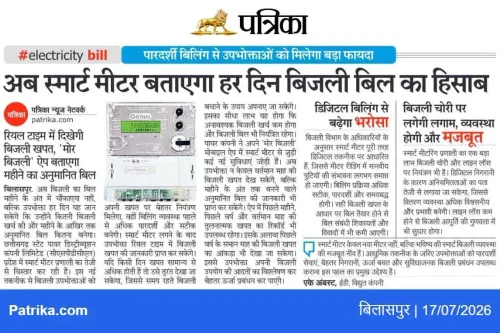
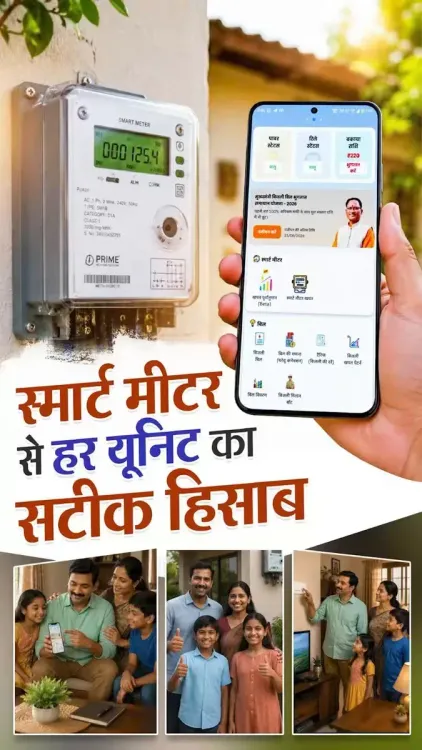
The Chhattisgarh CMO has promoted the 'Mor Bijli' mobile app, which lets consumers track daily electricity use and estimated bills, alongside a Smart Meter project designed to make billing more transparent and curb distribution losses across the state.
Key Takeaways
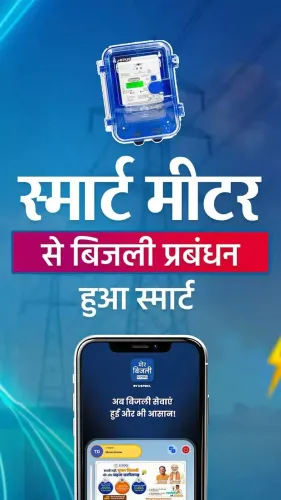
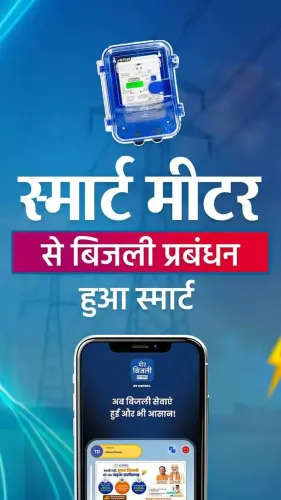
The Mor Bijli app provides daily electricity consumption data, estimated monthly bills, and month-on-month comparisons directly on consumers' smartphones.
The app is linked to Chhattisgarh's Smart Meter project , which aims to reduce billing disputes and improve distribution transparency.
The initiative is backed by the Revamped Distribution Sector Scheme (RDSS) , a central government programme approved in 2021 to fund smart metering in state discoms.
Durg District is specifically referenced in the CMO's post, suggesting active deployment in that region.
The push forms part of the BJP government's broader Digital Chhattisgarh and good-governance agenda under CM Vishnu Deo Sai , who took office in December 2023 .
Statewide smart-meter coverage figures and the app's formal launch date remain unconfirmed in official public records.
The Chief Minister's Office of Chhattisgarh announced on Saturday, 18 July 2026 that the 'Mor Bijli' mobile application now enables consumers across the state to track daily electricity consumption, view estimated monthly bills, and compare usage across previous months — all from their smartphones. The announcement, tagged to Chief Minister Vishnu Deo Sai and Durg District, links the app to the state's ongoing Smart Meter project aimed at making electricity billing more transparent.
Context
The CMO's post states: 'Mor Bijli' app ke madhyam se ab har din apni bijli khapat, mahine ka anumanit bill aur pichle mahinon ki tulna ki jaankari aapke mobile par uplabdh ('Through the Mor Bijli app, information on daily electricity consumption, estimated monthly bill, and comparison with previous months is now available on your mobile every day'). It describes the Smart Meter project as 'an important step' towards greater billing transparency, curbing unnecessary expenditure, and strengthening the power distribution system.
The app and the metering push together form part of the #DigitalChhattisgarh and #GoodGovernance agenda that the BJP government, which came to power in December 2023, has championed under CM Vishnu Deo Sai.
Policy Backdrop
The Smart Meter initiative in Chhattisgarh draws on central support under the Revamped Distribution Sector Scheme (RDSS), approved by the Government of India in 2021, which channels funds to state power distribution companies for advanced metering infrastructure and loss-reduction measures. The state had earlier committed to operational improvements through the Ujwal DISCOM Assurance Yojana (UDAY), which it joined in 2015.
Smart metering and consumer-facing apps have become a standard combination across Indian states seeking to reduce aggregate technical and commercial (AT&C) losses — a key metric for distribution efficiency. By pairing hardware upgrades with a mobile interface, Chhattisgarh follows a model already adopted in several other states under the broader Digital India framework applied to utility services.
Stakeholders and Impact
For electricity consumers — particularly in districts such as Durg, which is specifically tagged in the post — the app offers real-time visibility into consumption patterns, potentially encouraging energy-saving behaviour and reducing bill-shock at month-end. The ability to compare monthly usage could also help households identify abnormal spikes and dispute erroneous readings more effectively.
For the power distribution company (discom), smart meters reduce reliance on manual meter-reading cycles, lower opportunities for billing errors, and generate granular load data that can improve grid planning. Fewer billing disputes are expected to translate into improved revenue recovery and reduced losses over time.
What's Next
The key metric to watch will be the pace of statewide smart-meter installation and whether the rollout reaches rural and peri-urban areas where billing disputes and power theft have historically been higher. Consumer adoption of the Mor Bijli app will also be an indicator of whether the digital interface is translating into measurable changes in consumption behaviour.
If the initiative succeeds in cutting AT&C losses and reducing billing complaints, it could serve as a template for other central-Indian states pursuing similar distribution reforms under the RDSS framework — and bolster the Sai government's governance credentials ahead of future electoral cycles.
Point of View
The communication is as much about political branding as it is about utility reform. The real test will be whether installation targets are met at scale and whether AT&C losses show measurable decline, since previous state-level smart-metering drives have often stalled at the pilot stage. If Chhattisgarh can demonstrate verifiable outcomes, it adds a tangible governance achievement to the Sai administration's still-young record.
NationPress
19 Jul 2026
Frequently Asked Questions
What is the Mor Bijli app in Chhattisgarh?
Mor Bijli is a mobile application developed by the Chhattisgarh government that allows electricity consumers to view their daily power consumption, estimated monthly bills, and comparisons with previous months, all linked to the state's Smart Meter project.
What is the Smart Meter project in Chhattisgarh?
The Smart Meter project involves deploying advanced metering infrastructure across Chhattisgarh to capture real-time electricity usage data, reduce billing errors and disputes, and improve transparency in the state's power distribution system.
How does the RDSS support Chhattisgarh's smart metering drive?
The Revamped Distribution Sector Scheme (RDSS), approved by the Government of India in 2021, provides central funding to state power distribution companies for smart metering and loss-reduction measures, including projects in Chhattisgarh.
Who is Vishnu Deo Sai and what is his role in this initiative?
Vishnu Deo Sai is the Chief Minister of Chhattisgarh, sworn in December 2023 after the BJP won the state assembly elections. The Mor Bijli app and Smart Meter project are part of the digital governance agenda promoted under his administration.
How can Chhattisgarh residents use the Mor Bijli app to save on electricity bills?
By checking daily consumption data and month-on-month comparisons on the Mor Bijli app, residents can identify high-usage periods, adjust habits to reduce unnecessary consumption, and spot billing anomalies before the final bill is issued.