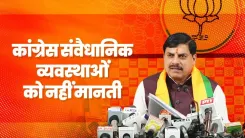
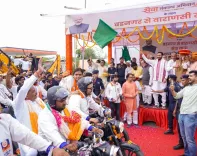
CM Samrat Choudhary amplifies Modi's Mann Ki Baat drug-free youth call
Synopsis
Bihar Chief Minister Samrat Choudhary shared PM Modi's Mann Ki Baat remarks on the Nasha Mukt Yuva Abhiyan on 27 September 2026, highlighting how My Bharat, NSS and educational institutions are mobilising youth across India in a drug-free awareness drive.
Key Takeaways
Bihar CM Samrat Choudhary amplified PM Modi's Mann Ki Baat message on the Nasha Mukt Yuva Abhiyan on 27 September 2026 .
The Nasha Mukt Bharat Abhiyan was launched by the Ministry of Social Justice and Empowerment in August 2020 , targeting youth aged 15–35 .
My Bharat and the National Service Scheme (NSS) are key national platforms channelling students into the campaign's outreach activities.
Mann Ki Baat has served since October 2014 as PM Modi's monthly platform for amplifying citizen-centric social campaigns.
The post highlights youth creativity and peer-driven content as central to spreading the drug-free message at scale.
State BJP leaders sharing Mann Ki Baat highlights form a pattern of extending the radio programme's reach into regional social-media audiences.
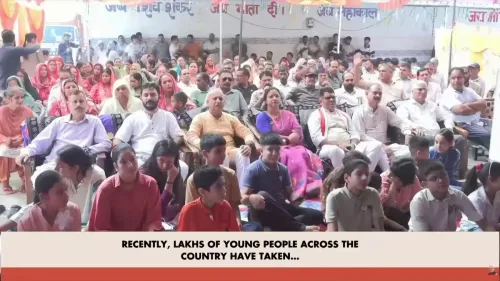
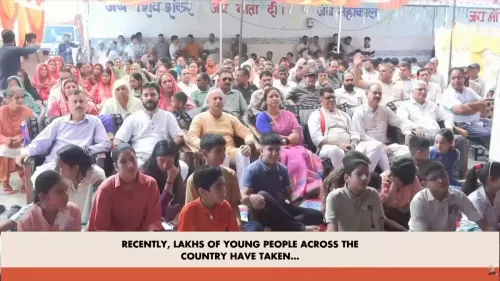
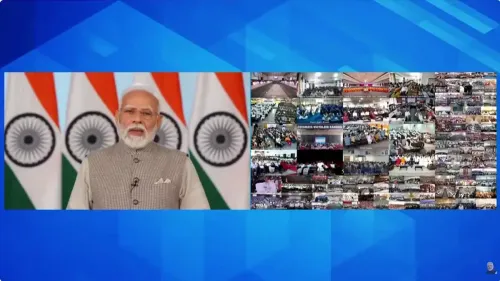
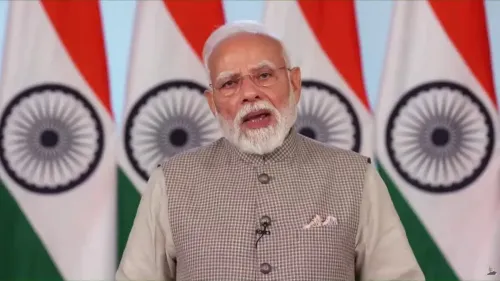
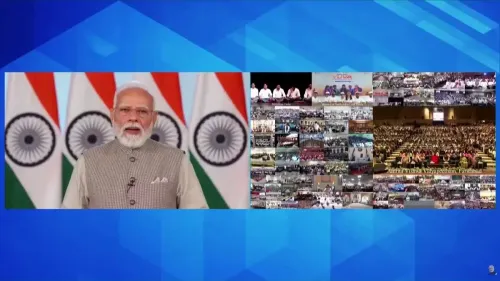
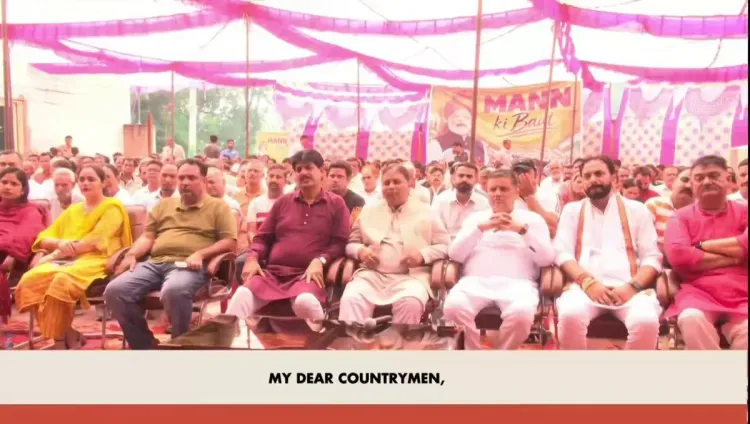
Millions of young Indians are taking a pledge to stay drug-free — and Bihar Chief Minister Samrat Choudhary wants every last one of them to hear that message loud and clear. On Sunday, 27 September 2026, Choudhary took to X to amplify Prime Minister Narendra Modi's call on Mann Ki Baat, spotlighting the 'Nasha Mukt Yuva Abhiyan' (Drug-Free Youth Campaign) and the institutions rallying behind it.
Quoting the Prime Minister directly, Choudhary wrote: 'Millions of the country's youth are taking a pledge under the Nasha Mukt Yuva Abhiyan to stay away from drugs and to make others aware too. My Bharat, NSS, schools, colleges and social organisations are also joining this campaign to stand by the youth. Through the participation and creativity of youth, the message of drug-freedom is reaching every corner of society.'
What the Nasha Mukt Yuva Abhiyan actually does
The Nasha Mukt Bharat Abhiyan was launched by the Ministry of Social Justice and Empowerment in August 2020, targeting substance abuse prevention among young people aged 15 to 35. The campaign operates through awareness drives, community pledges and structured outreach in schools and colleges — making educational institutions its frontline delivery mechanism.
Two national youth platforms are central to its reach. My Bharat — the government's flagship portal for youth engagement and volunteerism — and the National Service Scheme (NSS), a Ministry of Youth Affairs and Sports programme embedded across schools and colleges nationwide, both channel students directly into the campaign's awareness activities.
Mann Ki Baat as a policy amplifier
Prime Minister Modi launched Mann Ki Baat in October 2014 as a monthly radio address designed to spotlight citizen-centric campaigns and social causes. Over the years it has become a consistent vehicle for giving national visibility to welfare drives — from cleanliness campaigns to digital literacy — and the drug-free youth push now sits firmly in that tradition.
Choudhary's post is part of a wider pattern of state-level BJP leaders echoing and amplifying the Prime Minister's Mann Ki Baat messaging, extending its reach from a national broadcast into regional social-media ecosystems. Bihar, with its large and youthful population, represents a significant field for any awareness campaign aimed at the 15–35 demographic.
Youth creativity as the campaign's edge
What the post singles out — beyond institutional participation — is the role of youth creativity in carrying the message forward. The framing suggests the campaign is not just a top-down awareness drive but one that invites young people to generate and share their own anti-drug content, a strategy increasingly common in health-communication efforts seeking organic reach.
With My Bharat and NSS as organised conduits and social organisations providing grassroots density, the campaign's architecture places institutional credibility alongside peer-to-peer energy. Whether that combination translates into measurable behavioural change is what state-level implementation reports — and eventually parliamentary scrutiny — will have to answer.
Point of View
And its continued prominence in Mann Ki Baat signals the Centre's intent to keep drug-abuse prevention visible as a youth-welfare priority. For Bihar — a state with a large youth demographic and historic concerns around substance abuse — the endorsement carries both political and administrative weight. The real test, however, will come in state-level implementation data and whether institutional mobilisation through NSS and My Bharat produces verifiable behavioural outcomes.
NationPress
27 Sept 2026
Frequently Asked Questions
What is the Nasha Mukt Yuva Abhiyan?
The Nasha Mukt Yuva Abhiyan is a national drug-free awareness campaign under India's Nasha Mukt Bharat Abhiyan, launched in August 2020 by the Ministry of Social Justice and Empowerment, targeting youth aged 15–35 through pledges, school-college outreach and volunteer drives.
What did Bihar CM Samrat Choudhary post about Mann Ki Baat?
On 27 September 2026, Samrat Choudhary shared PM Modi's remarks from Mann Ki Baat on the Nasha Mukt Yuva Abhiyan, highlighting how millions of youth, My Bharat, NSS and social organisations are spreading the drug-free message.
What is My Bharat and how is it connected to the anti-drug campaign?
My Bharat is a central government platform for youth engagement and volunteerism; it serves as one of the key institutional channels connecting young people with the Nasha Mukt Yuva Abhiyan's awareness activities.
What is Mann Ki Baat?
Mann Ki Baat is PM Narendra Modi's monthly radio address, launched in October 2014, used to highlight citizen-centric schemes and social campaigns to a national audience.
What role does the NSS play in the drug-free youth campaign?
The National Service Scheme (NSS), run by the Ministry of Youth Affairs and Sports, mobilises students in schools and colleges to participate in community-service drives including the Nasha Mukt Yuva Abhiyan's awareness activities.