Goyal Hails Youth Anti-Drug Pledge Drive Under Mann Ki Baat
Synopsis
Union Commerce Minister Piyush Goyal amplified the Nasha Mukt Yuva Abhiyan on 27 September, noting lakhs of Indian youth have pledged against drugs under the Mann Ki Baat initiative — reinforcing a campaign that has been central to government social-welfare outreach since 2020.
Key Takeaways
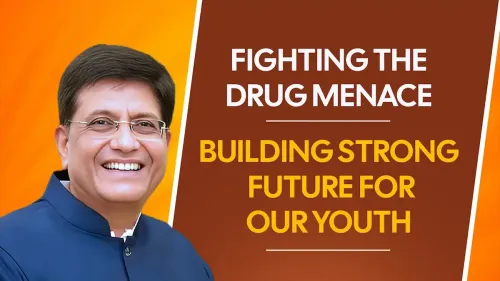
Union Commerce and Industry Minister Piyush Goyal posted on 27 September 2026 celebrating the Nasha Mukt Yuva Abhiyan .
The post references lakhs of Indian youth taking a formal pledge against drugs under the #MannKiBaat banner.
The Nasha Mukt Bharat Abhiyan was launched on 15 August 2020 by the Ministry of Social Justice and Empowerment.
PM Narendra Modi 's Mann Ki Baat programme has repeatedly featured the anti-drug campaign as a flagship social-welfare message.
The campaign uses community pledges and peer-level awareness to build social accountability against substance abuse among Indian youth.
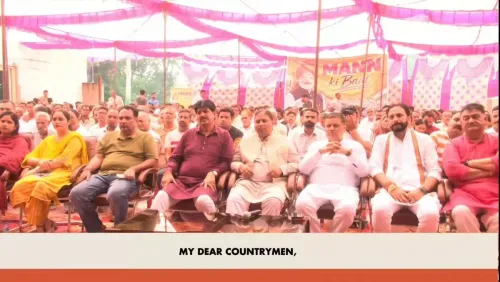
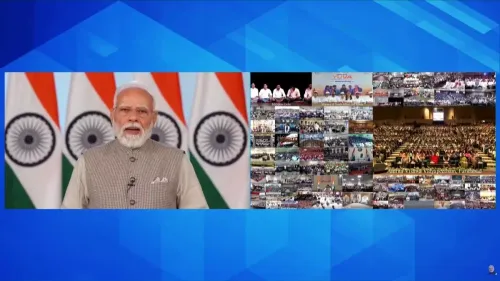
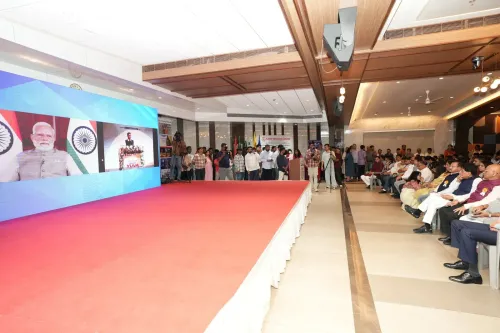
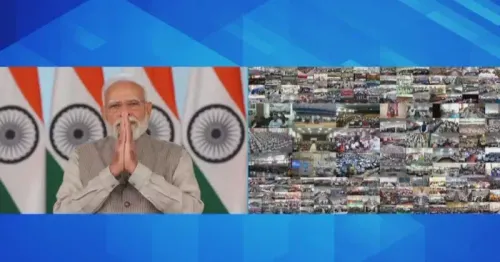
Millions of young Indians have taken a public stand against drugs — and Union Commerce and Industry Minister Piyush Goyal wants the country to notice. On Sunday, 27 September 2026, Goyal took to X to amplify a message tied to Prime Minister Narendra Modi's monthly Mann Ki Baat radio programme, celebrating the momentum of the Nasha Mukt Yuva Abhiyan — the campaign to build a drug-free generation.
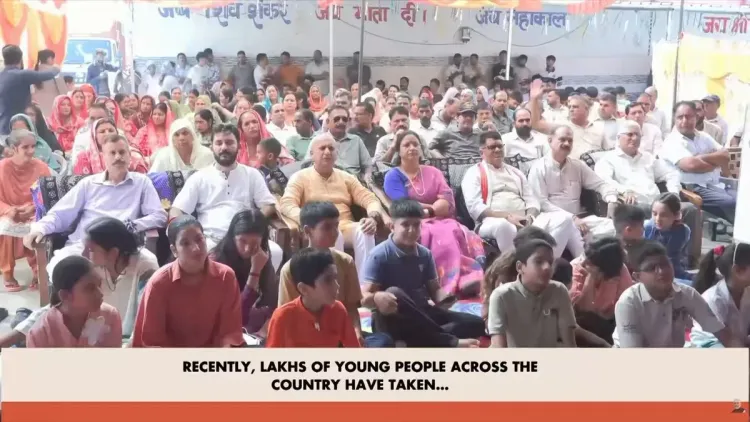
Goyal's post read: 'Nasha Mukt Yuva Abhiyan... desh ke laakhon yuvaon ne nashe ke viruddh, drugs ke khilaf, ek bahut mahatvapurna sankalp liya hai.' In English: 'Lakhs of young people across the country have taken a very important pledge against addiction, against drugs.' The post carried the #MannKiBaat hashtag, placing the pledge drive squarely within PM Modi's flagship citizen-outreach initiative.
What the Nasha Mukt Bharat Abhiyan set out to do
The Nasha Mukt Bharat Abhiyan was launched on 15 August 2020 by the Ministry of Social Justice and Empowerment with an explicit focus on youth awareness and community-level de-addiction. The campaign targets students, young adults, and their families through awareness drives, institutional outreach, and public pledges — building social pressure against drug use at the grassroots level. Mann Ki Baat has repeatedly served as a megaphone for this effort, with PM Modi using the programme to spotlight individual stories of recovery, highlight state-level successes, and encourage citizens to join the movement. Goyal's post fits squarely into that pattern: a senior government voice using social media to amplify what the radio programme puts in motion.Why the pledge moment matters
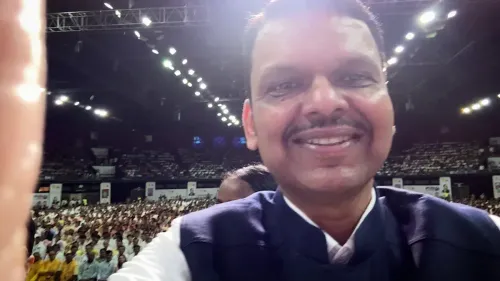
Public pledge campaigns are a deliberate policy tool — they create social accountability, not just awareness. When lakhs of young people make a visible commitment, the campaign shifts from a government notification to a peer-led norm. That is the theory of change behind programmes like the Nasha Mukt Bharat Abhiyan, and it is why participation numbers matter as a metric of reach. Indian youth and students remain the core audience: early intervention at school and college levels is seen as the most effective lever against substance abuse. The scale Goyal referenced — laakhon yuva, lakhs of youth — signals that the pledge drive has moved well beyond symbolic gestures into mass participation territory, though verified aggregate figures from the 2026 cycle are awaited. For a government that has made social-welfare storytelling central to its communication strategy, a Mann Ki Baat–linked anti-drug surge is exactly the kind of moment that gets amplified from the top down — and that is precisely what Goyal's post did.Point of View
And senior ministers amplify it on social media to extend reach beyond the radio audience. The Nasha Mukt Bharat Abhiyan, now in its sixth year, has evolved from a launch announcement into a participation metric — pledges and headcounts now serve as evidence of programme penetration. By attaching his voice to a youth-welfare moment rather than a purely economic one, Goyal also signals the party's deliberate effort to present its senior economic ministers as socially conscious figures. The real policy test, however, remains translating pledge numbers into measurable reductions in youth substance abuse — a data point the government has yet to foreground publicly.
NationPress
27 Sept 2026
Frequently Asked Questions
What is the Nasha Mukt Bharat Abhiyan?
The Nasha Mukt Bharat Abhiyan is a national campaign launched on 15 August 2020 by India's Ministry of Social Justice and Empowerment to create awareness about drug abuse and promote de-addiction, with a primary focus on young people.
What did Piyush Goyal post about drugs on 27 September 2026?
Goyal posted on X celebrating the Nasha Mukt Yuva Abhiyan, stating that lakhs of Indian youth had taken an important pledge against drugs and addiction, linking the campaign to PM Modi's Mann Ki Baat programme.
What is Mann Ki Baat and how is it connected to anti-drug campaigns?
Mann Ki Baat is Prime Minister Narendra Modi's monthly radio programme that addresses social issues. It has repeatedly featured the Nasha Mukt Bharat Abhiyan, using the platform to spotlight anti-drug pledges, recovery stories, and state-level campaign progress.
When was the Nasha Mukt Bharat Abhiyan launched?
The Nasha Mukt Bharat Abhiyan was launched on 15 August 2020, India's Independence Day, to mark a national commitment to reducing drug abuse among the youth.
Why do anti-drug pledge campaigns matter as a policy tool?
Public pledges create social accountability by turning a government programme into a peer-driven norm. When large numbers of young people commit openly, it shifts attitudes at the community level — which is the core theory of change behind campaigns like the Nasha Mukt Bharat Abhiyan.