CM Samrat Choudhary Chairs Bihar AI Policy 2026 Review Meet
Synopsis
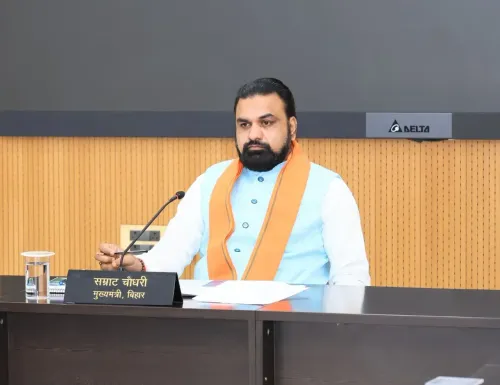
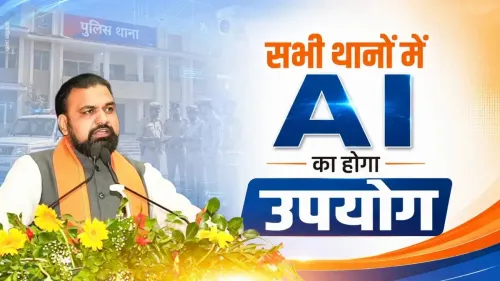
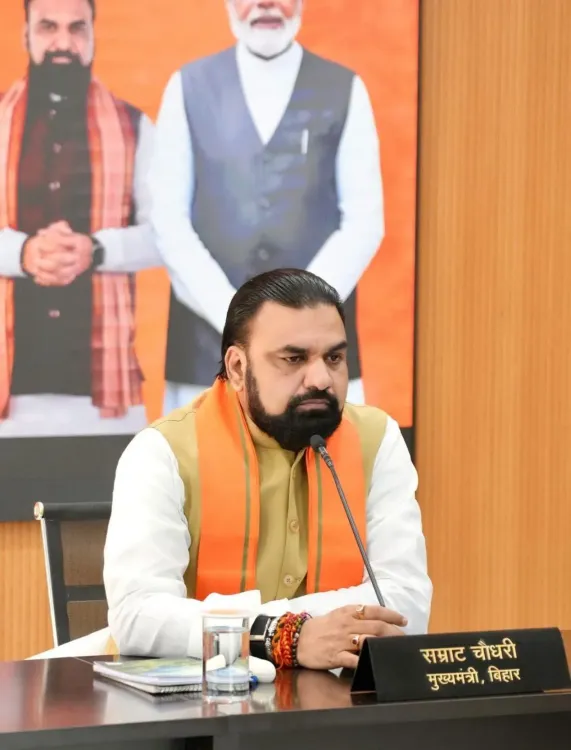
Bihar Chief Minister Samrat Choudhary chaired a high-level review meeting at Sankalp Sabhagar on October 22, 2026, examining the implementation of Bihar AI Policy 2026 and strategies to drive investment and innovation in line with India's Viksit Bharat vision.
Key Takeaways
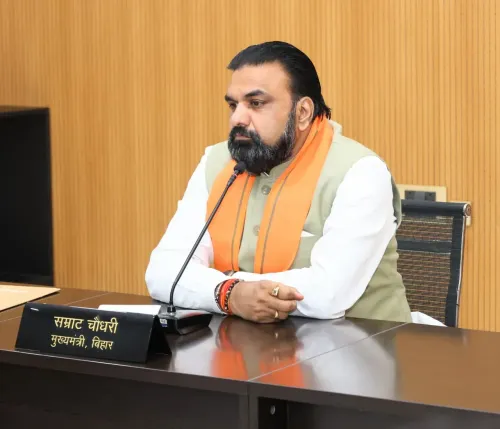
Bihar CM Samrat Choudhary personally chaired a review meeting on Bihar AI Policy 2026 on October 22, 2026 .
The meeting was held at Sankalp Sabhagar, Lokasevak Awas — the Chief Minister's official residence complex in Patna.
The review focused on three areas: effective implementation of the policy, attracting investment, and fostering innovation.
Bihar AI Policy 2026 is Bihar's state-level response to India's national AI push under the Viksit Bharat framework.
NITI Aayog's National Strategy for Artificial Intelligence (2018) provided the original federal blueprint that states including Bihar are now building upon.
Investment announcements and implementation timelines are expected to crystallise in upcoming state budget sessions.
Bihar Chief Minister Samrat Choudhary signalled that the state is not waiting for the future to arrive — he is building its infrastructure now. On Thursday, October 22, 2026, he chaired a review meeting at the Sankalp Sabhagar, Lokasevak Awas, focused on the effective implementation of Bihar AI Policy 2026 and on accelerating investment and innovation across the state.
A Policy Under Active Scrutiny
The meeting, convened at the Chief Minister's official residence, brought the Bihar AI Policy 2026 under direct executive review. Choudhary's stated focus covered three pillars: effective rollout of the policy, attracting fresh investment, and nurturing an innovation ecosystem. That combination — implementation + capital + ideas — is precisely the triad that separates states with real AI ambitions from those holding paper strategies.
The choice of venue, Sankalp Sabhagar ('Hall of Resolve'), carries its own signal: this was not a routine departmental briefing but a high-level stocktaking chaired by the CM himself.
Bihar Joins India's State-Level AI Race
India's technology architecture has been pulling in two directions simultaneously — a national vision and a state-by-state execution race. The central government's Viksit Bharat framework set the ambition, while NITI Aayog's National Strategy for Artificial Intelligence, released in 2018, laid the earliest federal blueprint. The gap between those blueprints and ground-level outcomes has always been filled — or left unfilled — by the states.
Several Indian states have since moved to draft and operationalise their own AI policies, competing to attract IT startups, data-centre investments, and skilled talent. Bihar's decision to codify its approach in the Bihar AI Policy 2026 and then subject it to a CM-chaired review places the state squarely in that national competition — and signals that Patna intends to be a serious contender, not a bystander.
What Investors and Startups Are Watching
For IT startups and potential investors, the signal from Lokasevak Awas is unambiguous: Bihar's AI agenda has political ownership at the very top. Chief ministerial attention typically accelerates bureaucratic clearances, unlocks budget allocations, and gives private players the confidence to commit capital. The real test — specific investment announcements, implementation timelines, and measurable targets — will come in the months ahead, likely tethered to upcoming budget sessions.
Bihar has historically lagged behind southern and western states in technology investment, making this push both more necessary and more consequential. A credible AI policy, backed by consistent executive follow-through, could reshape the state's positioning in India's digital economy map.
The review meeting is a start; the numbers that follow will tell the full story.
Point of View
States that combine executive attention with credible investment pipelines tend to outpace those that rely on policy documents alone. For Bihar — historically underrepresented in India's IT investment map — this moment carries outsized strategic weight. The real indicator of seriousness will be whether specific investment commitments and implementation benchmarks emerge from this stocktaking in the coming budget cycle.
NationPress
22 Oct 2026
Frequently Asked Questions
What is Bihar AI Policy 2026?
Bihar AI Policy 2026 is the state government's official framework for promoting artificial intelligence adoption, attracting technology investment, and building an innovation ecosystem in Bihar. Bihar CM Samrat Choudhary chaired a review of its implementation on October 22, 2026.
Where was the Bihar AI Policy review meeting held?
The review meeting was held at Sankalp Sabhagar inside Lokasevak Awas , the official residence complex of the Bihar Chief Minister in Patna.
How does Bihar AI Policy 2026 connect to Viksit Bharat?
Viksit Bharat is the central government's vision for a fully developed India, and Bihar's AI policy is positioned as a state-level contribution to that national goal — accelerating technology adoption and investment in line with the broader federal agenda.
What is NITI Aayog's role in India's AI strategy?
NITI Aayog released India's National Strategy for Artificial Intelligence in 2018 , providing the earliest federal blueprint for AI adoption across sectors. State-level policies like Bihar's build upon that national foundation.
What should IT startups and investors watch for after this meeting?
Investors and IT startups should watch for specific investment announcements, implementation timelines, and policy incentives that are expected to be formalised in Bihar's upcoming budget sessions following the CM-level review.