CM Samrat Choudhary flags off 1,150 pilgrims to Somnath
Synopsis
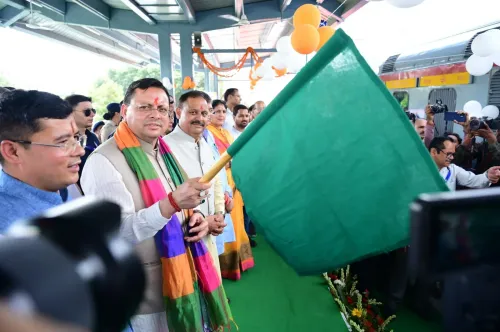
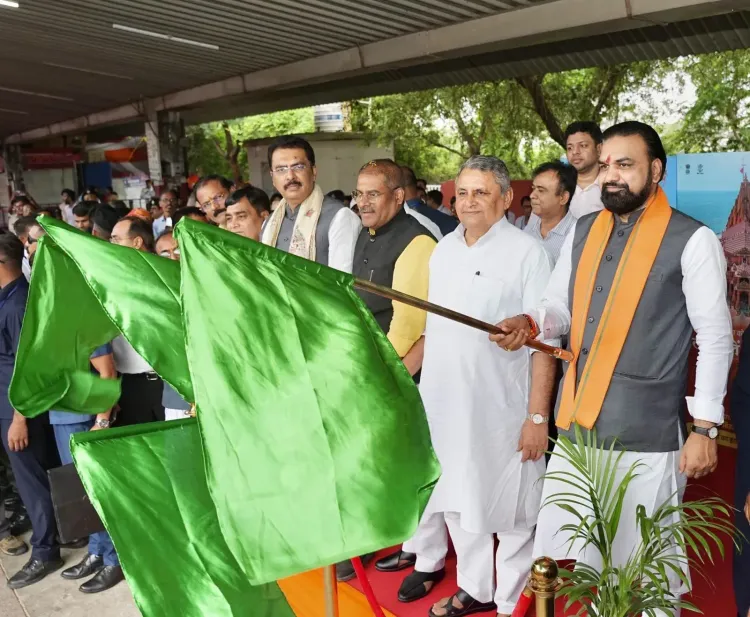
Bihar Chief Minister Samrat Choudhary flagged off a special train carrying 1,150 pilgrims from Pataliputra Junction, Patna, to Somnath Temple on 20 July 2026, as part of the state-organised Somnath Swabhiman Parv, dedicating a ceremonial kalash and dhwaj to the departing devotees.
Key Takeaways
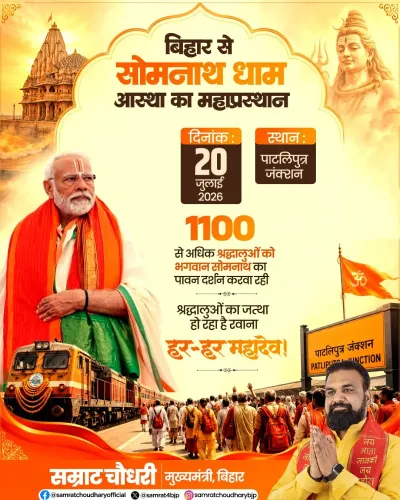
1,150 pilgrims were flagged off from Pataliputra Junction, Patna on 20 July 2026 by Bihar Chief Minister Samrat Choudhary .
The pilgrimage is part of the Somnath Swabhiman Parv , a state-organised festival themed 'Atoot Aastha ki Gaurav Gatha' (The Glorious Story of Unbreakable Faith).
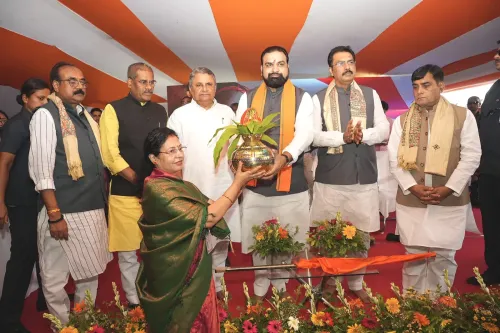
A ceremonial kalash (sacred pot) and dhwaj (flag) were dedicated to the pilgrims to be carried to Somnath Dham in Gujarat.
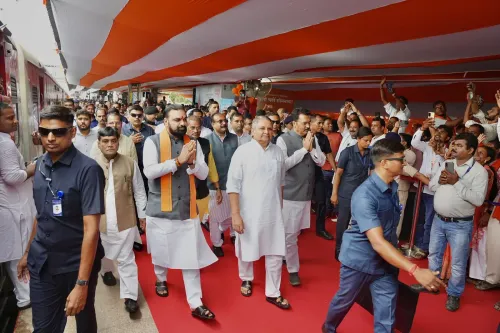
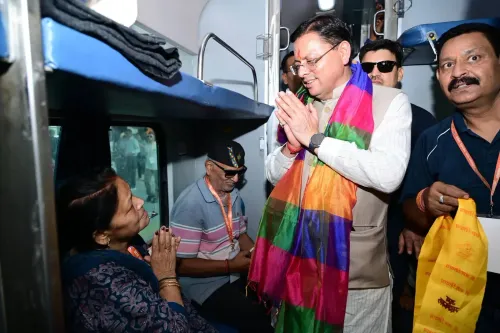
Chief Minister Choudhary personally met pilgrims and verified their travel arrangements before the departure.
The initiative is part of a broader BJP-led state government pattern of facilitating state-supported pilgrimages to major Jyotirlingas to promote religious tourism and cultural connectivity.
Bihar Chief Minister Samrat Choudhary on Monday, 20 July 2026, flagged off a special train carrying 1,150 pilgrims from Pataliputra Junction, Patna, bound for the Somnath Temple in Gujarat as part of the Somnath Swabhiman Parv — a state-organised pilgrimage festival themed 'Atoot Aastha ki Gaurav Gatha' (The Glorious Story of Unbreakable Faith).
Context
Flagging off the train, Chief Minister Choudhary personally met pilgrims, enquired about their travel arrangements, and dedicated a ceremonial kalash (sacred pot) and dhwaj (flag) to the departing group. He offered prayers to Lord Somnath for the safe, auspicious, and successful journey of all devotees, signing off his post with the invocation 'Har-Har Mahadev!'
In his post, the Chief Minister described the yatra as 'a symbol of Bihar's faith, self-respect, and cultural consciousness,' adding that the kalash and dhwaj carried with the pilgrims would 'carry the message of our rich spiritual tradition, glorious heritage, and public faith to Somnath Dham.'
Policy Backdrop
The Somnath Temple — one of the twelve sacred Jyotirlingas — was reconstructed after independence and inaugurated in 1951, becoming a national symbol of Hindu cultural revival. Its restoration is widely cited in political and cultural discourse as an act of civilisational reclamation.
BJP-led state governments across eastern and northern India have increasingly facilitated state-supported special trains and organised pilgrimages to major Jyotirlingas and temple towns. These initiatives are positioned as efforts to promote religious tourism, inter-state cultural connectivity, and a broader narrative of shared spiritual heritage linking states like Bihar with western pilgrimage centres such as Somnath in Gujarat.
Stakeholders and Impact
The immediate beneficiaries are the 1,150 Bihari pilgrims who received state-facilitated travel to one of Hinduism's most revered shrines. The government's direct involvement — including the Chief Minister's personal presence at the flag-off — signals the political and cultural weight attached to the event.
For the broader constituency of Hindu devotees in Bihar, the Somnath Swabhiman Parv frames the pilgrimage not merely as personal worship but as a collective assertion of regional identity and spiritual pride. The ceremonial handing over of the kalash and dhwaj adds a ritualistic dimension that elevates the yatra beyond a routine government-sponsored trip.
What's Next
Attention will now turn to the arrival ceremonies at Somnath Dham and the formal reception of the kalash and dhwaj from Bihar. Officials are expected to assess pilgrim facilities and the overall experience as a benchmark for future yatras to other sacred sites.
If this edition is deemed successful, it could set a precedent for similar state-organised pilgrimages to other Jyotirlingas and Char Dham sites, deepening Bihar's programme of publicly supported religious tourism in the years ahead.
Point of View
Chief Minister Choudhary positions his administration as a steward of both faith and regional pride. The ceremonial kalash-and-dhwaj ritual adds a layer of symbolic statecraft that goes beyond logistics, turning a pilgrim train into a cultural envoy. Watched alongside similar initiatives in other BJP-governed states, this yatra reflects a maturing template for religious-cultural programming as electoral soft power.
NationPress
21 Jul 2026
Frequently Asked Questions
What is the Somnath Swabhiman Parv organised by Bihar?
The Somnath Swabhiman Parv is a state-organised pilgrimage festival in Bihar themed 'Atoot Aastha ki Gaurav Gatha' (The Glorious Story of Unbreakable Faith), designed to facilitate organised yatras to the Somnath Temple in Gujarat and celebrate Bihar's spiritual and cultural heritage.
How many pilgrims were sent to Somnath from Patna?
A batch of 1,150 pilgrims was flagged off from Pataliputra Junction, Patna, on 20 July 2026 via a special train to Somnath Temple.
Who flagged off the Somnath yatra train from Patna?
Bihar Chief Minister Samrat Choudhary personally flagged off the special train at Pataliputra Junction, Patna, and dedicated a ceremonial kalash and dhwaj to the departing pilgrims.
Why is Somnath Temple significant for Hindu pilgrims?
The Somnath Temple in Gujarat is one of the twelve sacred Jyotirlingas — the holiest Shiva shrines in Hinduism. It was rebuilt after independence and inaugurated in 1951, making it a symbol of Hindu cultural and civilisational revival.
Does the Bihar government regularly organise pilgrimages to Jyotirlingas?
Bihar, under its BJP-led government, is part of a broader pattern of state-facilitated special trains and yatras to major Jyotirlinga sites, aimed at promoting religious tourism and inter-state cultural connectivity for devotees from eastern India.