CM Samrat Choudhary Hails India's 50% Non-Fossil Energy Milestone

Synopsis
Bihar Chief Minister Samrat Choudhary highlighted India crossing the 50% non-fossil installed electricity capacity mark, quoting PM Modi to underscore the country's energy self-reliance push — a goal originally targeted for 2030 under the COP26 Panchamrit commitments.
Key Takeaways
Bihar CM Samrat Choudhary shared PM Modi's statement on India's renewable energy achievement on 2 November 2026 .
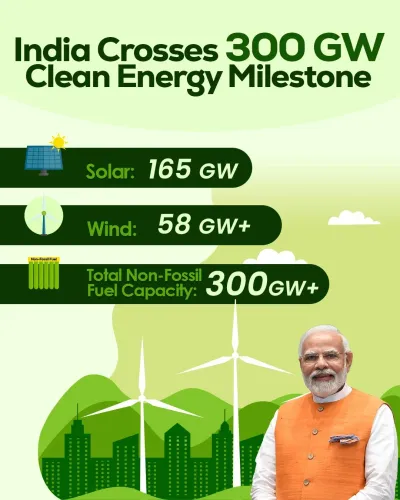
India's installed electricity generation capacity from non-fossil fuel sources has crossed 50% , ahead of the 2030 deadline set at COP26 in Glasgow .
The milestone was part of India's Panchamrit NDC pledges, which also include a 500 GW non-fossil capacity target by 2030 and net-zero by 2070 .
The post frames the achievement as evidence of 'energy self-reliance' — a key BJP political theme since 2014 .
Bihar, with high unmet electricity demand, stands to benefit directly from expanded national renewable capacity and grid upgrades.
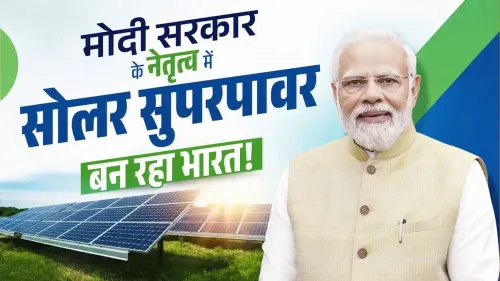
Twelve years of relentless policy push have delivered a landmark result: India now draws more than 50% of its installed electricity generation capacity from non-fossil fuel sources — a benchmark the country had set for itself by 2030, achieved ahead of schedule. Bihar Chief Minister Samrat Choudhary amplified the achievement on Monday, 2 November 2026, quoting Prime Minister Narendra Modi in a post that framed the milestone as proof of 'new India's resolve, visionary leadership, and sustained effort' toward energy self-reliance.
The pledge that became a deadline — and a delivery
The story begins in Glasgow, October 2021, when PM Modi stepped onto the stage at COP26 and announced India's updated Nationally Determined Contribution — the Panchamrit commitments. One of its five pillars was unambiguous: 50% of cumulative electric power installed capacity from non-fossil sources by 2030. At the time, critics called it ambitious. The government called it a floor, not a ceiling.
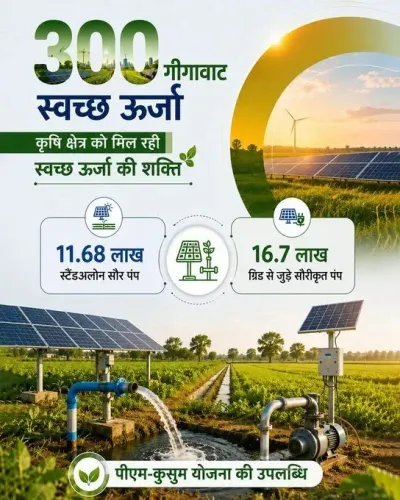
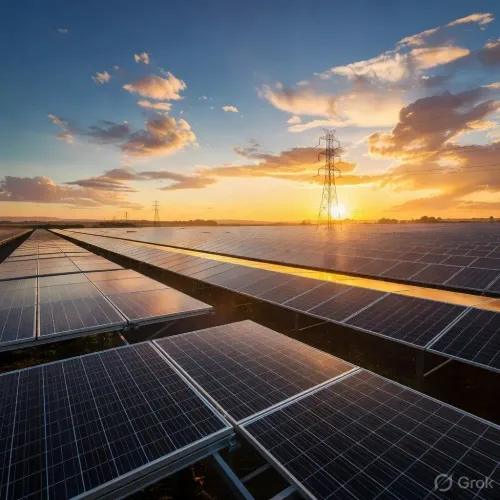
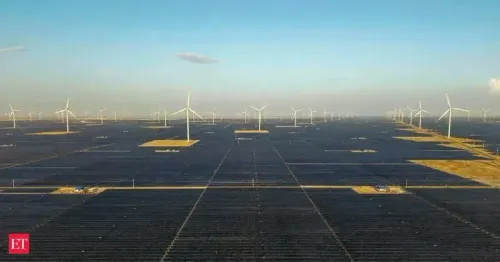
What followed was a decade-plus acceleration in solar, wind, and hydro deployment that has reshaped India's power map. The country's non-fossil portfolio today spans utility-scale solar parks in Rajasthan and Gujarat, offshore and onshore wind corridors along the western and southern coasts, and a growing green-hydrogen pipeline — all underwritten by successive central government auctions and state-level capacity mandates.
Why 50% installed capacity is a harder number than it looks
'Installed capacity' and 'actual generation' are two different metrics — and the government chose the tougher one to headline. Installed capacity counts every megawatt of rated power available, not units actually fed into the grid. Because solar and wind have lower capacity utilisation factors than coal, crossing 50% of installed capacity in renewables requires an even larger physical deployment of panels and turbines. That context makes the number harder to dismiss as an accounting trick.
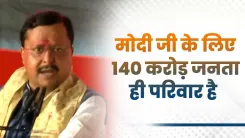
CM Choudhary's post uses the original Hindi of PM Modi's statement — 'ऊर्जा आत्मनिर्भरता की दिशा में नए भारत के दृढ़ संकल्प' ('new India's firm resolve toward energy self-reliance') — framing the energy transition explicitly as national sovereignty, not just climate compliance. It is a political vocabulary that has defined BJP messaging on infrastructure since 2014.
Bihar's stake in the green grid
Bihar sits in a peculiar position in India's energy story: a large, rapidly urbanising state with historically low per-capita electricity consumption and significant unmet demand. Any national renewable capacity surge has a direct downstream benefit for states like Bihar, where distribution network upgrades and peak-load management remain ongoing challenges. Choudhary's decision to amplify this particular milestone signals an alignment between Patna and New Delhi on energy narrative, and potentially foreshadows state-level renewable project announcements in the coming budget cycle.
India's 500 GW non-fossil target by 2030 and its net-zero commitment by 2070 remain the larger destinations on the roadmap. The 50% installed capacity marker crossed in 2026 is not the finish line — it is proof of direction. The next test will be whether generation share catches up with installed capacity share, and whether the distribution infrastructure can absorb the intermittent supply at scale.
India set an audacious target at Glasgow. Four years later, the scoreboard shows it arrived early.
Point of View
If verified by Central Electricity Authority data, would represent a meaningful acceleration of India's clean energy trajectory and strengthen New Delhi's hand in international climate negotiations. The broader arc — from COP26 pledge to ahead-of-schedule delivery — offers the government a rare opportunity to demonstrate that climate commitments and economic growth can coexist at scale.
NationPress
3 Nov 2026
Frequently Asked Questions
Has India really achieved 50% non-fossil electricity capacity?
According to statements attributed to PM Modi and amplified by Bihar CM Samrat Choudhary in November 2026, India's installed electricity capacity from non-fossil sources has crossed 50%. This figure refers to installed capacity, not actual electricity generated; official Central Electricity Authority data would provide the definitive confirmation.
What was India's COP26 pledge on renewable energy?
At the COP26 climate summit in Glasgow in 2021 , PM Modi announced the Panchamrit commitments, which included achieving 50% cumulative electric power installed capacity from non-fossil sources by 2030 and reaching net-zero emissions by 2070 .
What is India's 500 GW renewable energy target?
India has set a target of 500 GW of non-fossil fuel-based installed electricity capacity by 2030 . This covers solar, wind, hydro, nuclear, and other clean energy sources, and forms part of the country's updated Nationally Determined Contribution under the Paris Agreement.
What is the International Solar Alliance and India's role in it?
The International Solar Alliance is an India-led global partnership launched in 2015 to accelerate solar power deployment across member countries. India co-founded it with France, and it now has over 100 member nations, reflecting India's ambition to lead the global solar transition.
Why did Bihar CM Samrat Choudhary post about national renewable energy?
Samrat Choudhary is a senior BJP leader and Chief Minister of Bihar. Sharing the PM's statement on a national energy milestone is consistent with BJP leaders amplifying central government achievements. Bihar also has a direct interest in expanded national grid capacity to meet the state's significant unmet electricity demand.