CM Samrat Choudhary hails PM Modi's meet with CWG medal winners
Synopsis
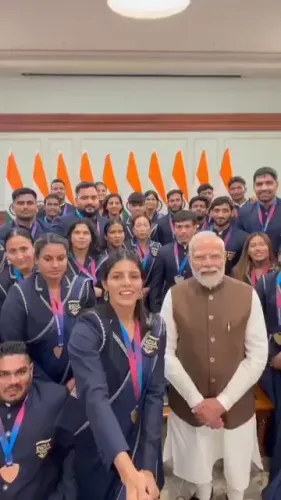
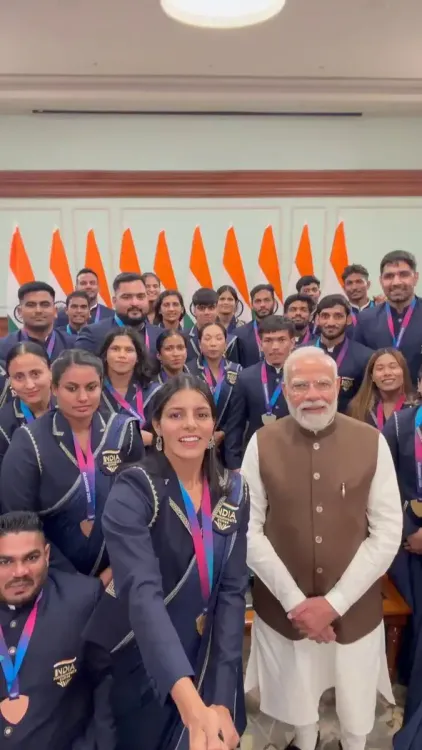
Bihar Chief Minister Samrat Choudhary lauded Prime Minister Narendra Modi's meeting with India's Commonwealth Games medal winners on August 9, 2026, calling it a message of inspiration for every Indian athlete and linking it to the nation's growing sporting ambition under the Khelo India programme.
Key Takeaways
Bihar CM Samrat Choudhary posted on August 9, 2026 praising PM Modi's meeting with India's CWG medallists.
Choudhary framed the meeting as a message of enthusiasm and motivation for athletes nationwide, using the phrase 'Jo khelega, wo khilega…' ('Those who play, will flourish').
The post was tagged #Cheer4Bharat , a recurring BJP-aligned sports promotion hashtag.
The Khelo India programme , launched in 2017 , provides the grassroots policy backbone for India's growing CWG medal tallies.
India has recorded strong Commonwealth Games performances in 2018 (Gold Coast) and 2022 (Birmingham) across multiple disciplines.
The endorsement from a state CM reinforces the central government's push to broaden India's competitive sporting identity beyond cricket.
When a prime minister sits down with the athletes who carried the tricolour on the world stage, the message travels far beyond the room. Bihar Chief Minister Samrat Choudhary on Sunday, August 9, 2026, took to X to celebrate Prime Minister Narendra Modi's personal meeting with India's Commonwealth Games medal winners, calling it a wellspring of energy and inspiration for every sportsperson in the country.
Choudhary's post, written in Hindi, opened with a phrase that doubles as a philosophy: 'Jo khelega, wo khilega…' — 'Those who play, will flourish.' He described the PM's meeting with the CWG medallists as a deeply personal one, and framed it as a message of enthusiasm and motivation for athletes across India. 'Let the passion for sport grow, let the honour of the Tricolour grow — this is the sporting spirit of the new India,' he wrote, tagging the post with #Cheer4Bharat.
A pattern of prime-ministerial outreach to champions
The meeting fits a well-established template. Successive governments have used high-profile interactions between national leaders and medal-winning athletes to amplify sporting achievement beyond the stadium. The optics are deliberate: a prime minister's time signals to young aspirants that the state is watching, and that winning matters. For athletes who often train in obscurity, such moments carry real weight.
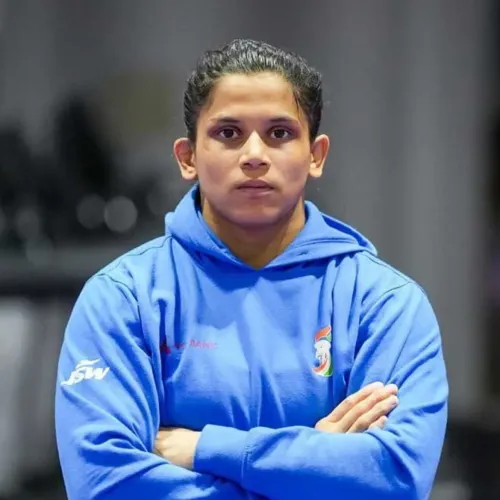
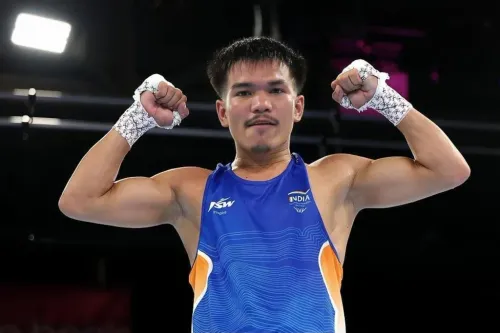
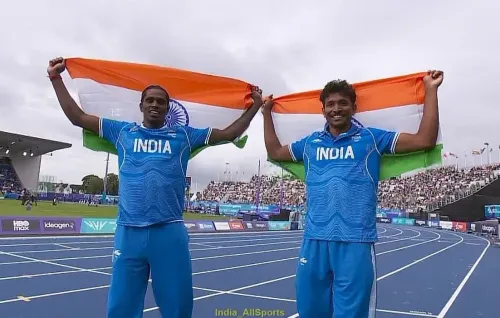
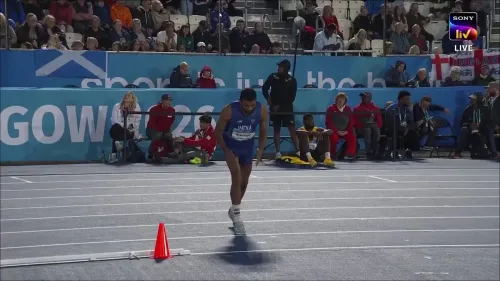
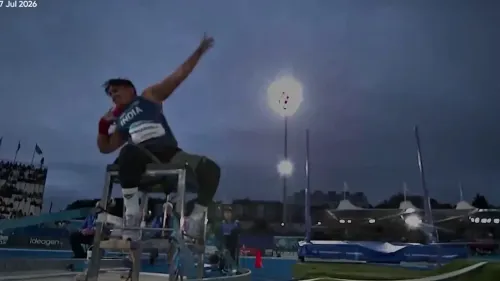
The Commonwealth Games have been a reliable stage for Indian athletes — the country has built strong medal tallies across disciplines including weightlifting, wrestling, boxing, badminton, and athletics in editions such as 2018 (Gold Coast) and 2022 (Birmingham). Each cycle has deepened the pool of competitive talent, a trend the government has actively sought to accelerate.
Khelo India and the infrastructure behind the medals
That acceleration has a policy backbone. The Khelo India programme, launched in 2017, was designed to do precisely what Choudhary's post celebrates: find talent early, fund it seriously, and build the grassroots infrastructure that turns potential into podium finishes. The programme has channelled resources into state-level academies, scholarship pipelines, and competition exposure — the unglamorous machinery that makes medal moments possible.
Choudhary's endorsement, as a senior BJP leader and the head of a large, populous state, also carries a political dimension: it ties Bihar's sporting ambitions to the central government's broader push to diversify India's competitive sporting identity beyond cricket. The message is aimed squarely at the next generation of athletes who might otherwise never see sport as a viable path.
India's medal winners have come home. The Prime Minister met them. A Chief Minister amplified the moment. Now the question is whether the infrastructure — the coaches, the tracks, the funding — keeps pace with the inspiration it generates.
Point of View
Without naming it, reflects a matured political messaging strategy that ties grassroots policy to prime-time moments. For Bihar, a state not historically associated with Olympic-tier sporting output, such statements also serve a domestic purpose: signalling ambition to a young demographic hungry for role models. The broader pattern suggests that sports diplomacy — once an afterthought in Indian political communication — has become a deliberate, recurring tool of governance branding.
NationPress
9 Aug 2026
Frequently Asked Questions
Why did Bihar CM Samrat Choudhary post about PM Modi and Commonwealth Games athletes?
Choudhary posted to celebrate PM Modi's personal meeting with India's Commonwealth Games medal winners, calling it a source of inspiration and enthusiasm for every athlete in the country.
What does 'Jo khelega, wo khilega' mean?
It is a Hindi phrase meaning 'Those who play, will flourish' — used by Choudhary to emphasise that sporting participation leads to personal and national growth.
What is the Khelo India programme?
Khelo India is a central government initiative launched in 2017 to develop grassroots sports infrastructure, identify talent early, and fund athletes across India to improve the country's international sporting performance.
How has India performed at recent Commonwealth Games?
India has delivered strong medal tallies at the 2018 Gold Coast and 2022 Birmingham Commonwealth Games, winning medals across disciplines including weightlifting, wrestling, boxing, badminton, and athletics.
What is #Cheer4Bharat?
#Cheer4Bharat is a hashtag used to rally public support for Indian athletes at international sporting events, frequently used by BJP leaders and government accounts during major competitions.