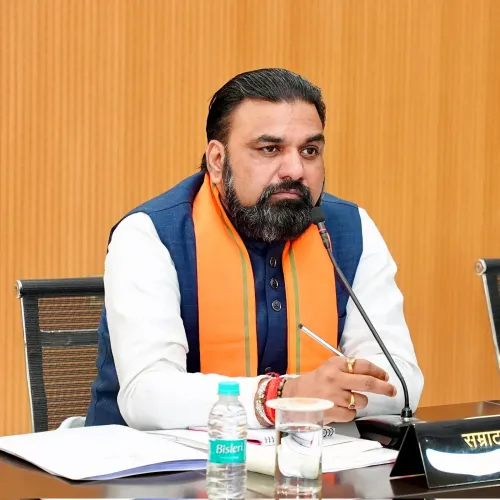
CM Samrat Choudhary Inaugurates 68.80 km Belwa–Meenapur Link Channel in Bihar
Synopsis
Bihar Chief Minister Samrat Choudhary on 19 July 2026 inaugurated the 68.80 km Belwa–Meenapur Link Channel in Sheohar district, built at ₹130.88 crore under the Bagmati–Burhi Gandak River Linking Project to address north Bihar's chronic flooding and irrigation deficit.
Key Takeaways
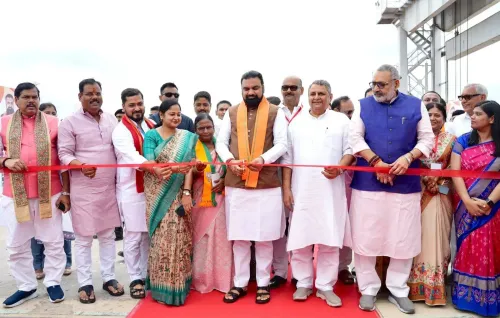
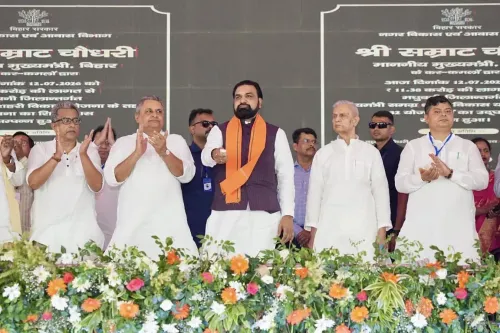
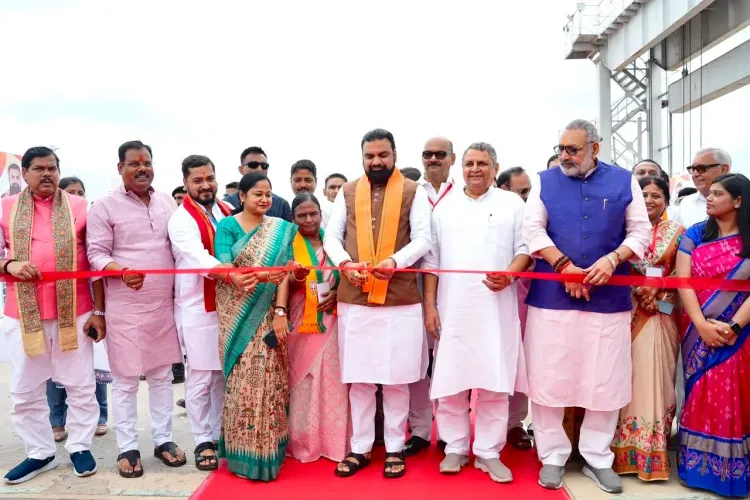
Chief Minister Samrat Choudhary inaugurated the Belwa–Meenapur Link Channel (Belwadhar) on 19 July 2026 in Sheohar district, Bihar .
The channel is 68.80 km long and was built at a cost of ₹130.88 crore .
It is part of the larger Bagmati–Burhi Gandak River Linking Project , targeting flood control and irrigation in north Bihar.
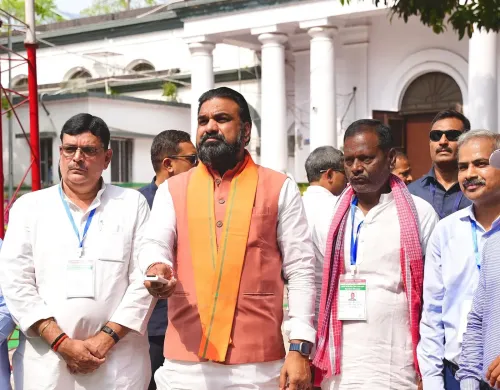
The CM also conducted a physical inspection of the project site after the inauguration.
Key beneficiaries include farmers in Sheohar and flood-affected households along the Bagmati river corridor.
The 2026 kharif season will serve as the first operational test of the channel's flood-relief and irrigation impact.
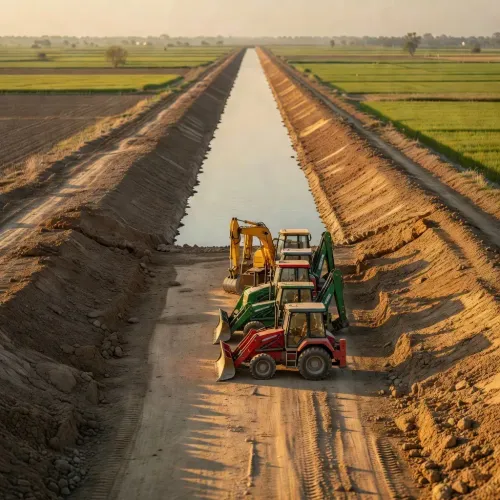
The Chief Minister's Office of Bihar announced on Sunday, 19 July 2026 that Chief Minister Samrat Choudhary inaugurated the Belwa–Meenapur Link Channel (Belwadhar), a 68.80-kilometre waterway built at a cost of ₹130.88 crore, at Belwa in Piprahhi block, Sheohar district. The channel is a key component of the Bagmati–Burhi Gandak River Linking Project, aimed at taming chronic flooding and improving irrigation across north Bihar.
Context
The Chief Minister's Office shared that Samrat Choudhary also conducted a physical inspection of the project site after the inauguration. The Hindi-language post stated: 'Belwa–Meenapur Link Channel (Belwadhar) ka lokarpan kiya' — 'inaugurated the Belwa–Meenapur Link Channel (Belwadhar)' — signalling the formal commissioning of a stretch that has been in the pipeline as part of Bihar's broader hydraulic infrastructure push.
The Bagmati and Burhi Gandak rivers, both Himalayan-origin streams flowing through the north Bihar plains, are perennial sources of seasonal flooding that displace hundreds of thousands of residents and damage standing crops every monsoon. The link channel is designed to redistribute excess water between the two basins, reducing flood peaks while channelling water to irrigation-deficient areas.
Policy Backdrop
Bihar has pursued river-linking and embankment programmes since the early 2000s as a state-level adaptation of India's broader inter-basin water transfer concepts. The Bagmati–Burhi Gandak River Linking Project is one of the most ambitious of these efforts, targeting the flood-prone districts of Sheohar, Muzaffarpur, and neighbouring areas in the Tirhut division.
The ₹130.88 crore investment in the 68.80 km channel reflects a pattern of multi-crore hydraulic spending that successive Bihar governments have maintained to address the state's recurring flood-and-drought paradox — where the same region faces inundation in July and water scarcity by February. The project aligns with the national thrust on water resource management and the Pradhan Mantri Krishi Sinchayee Yojana framework for last-mile irrigation connectivity.
Stakeholders and Impact
The most direct beneficiaries are farmers in Sheohar district and adjoining blocks, who depend on kharif crops such as paddy and maize but lose significant acreage to waterlogging each monsoon season. Flood-affected households in low-lying villages along the Bagmati corridor are also expected to see reduced inundation once the channel begins diverting surplus flows.
The Belwadhar channel is expected to improve agricultural productivity by providing controlled irrigation during dry spells, while simultaneously acting as a relief valve during high-discharge monsoon events. Local administrations in Sheohar and Muzaffarpur districts will oversee water distribution and channel maintenance in coordination with the state water resources department.
What's Next
Attention will now turn to the rollout of remaining link channels under the larger Bagmati–Burhi Gandak River Linking Project, with the 2026 kharif season serving as the first real test of the new infrastructure's impact on flood frequency and crop yields. The Bihar government is expected to monitor discharge levels and irrigation coverage data through the current monsoon cycle to assess operational outcomes.
If the Belwa–Meenapur channel delivers measurable flood relief this season, it could accelerate state funding and political momentum for the project's remaining phases — potentially reshaping water management across a region that has long been among India's most flood-vulnerable.
Point of View
Commissioning a ₹130.88 crore project in the flood-prone Sheohar belt carries clear electoral optics ahead of any future assembly cycle. More broadly, the project fits into India's incremental river-interlinking agenda, where state-level pilot corridors are proving easier to execute than the grand national grid envisaged in earlier decades. The real test, however, will come in the monsoon data: whether the channel measurably reduces inundation and boosts kharif output will determine whether this becomes a replicable model or another contested infrastructure headline.
NationPress
20 Jul 2026
Frequently Asked Questions
What is the Belwa–Meenapur Link Channel in Bihar?
The Belwa–Meenapur Link Channel, also called Belwadhar, is a 68.80 km artificial waterway in Sheohar district, Bihar , built at a cost of ₹130.88 crore under the Bagmati–Burhi Gandak River Linking Project to control floods and improve irrigation in north Bihar.
Who inaugurated the Belwadhar link channel?
Bihar Chief Minister Samrat Choudhary inaugurated the Belwa–Meenapur Link Channel (Belwadhar) on 19 July 2026 at Belwa in Piprahhi block, Sheohar district, and also inspected the project site.
What is the Bagmati–Burhi Gandak River Linking Project?
It is a Bihar state initiative to interlink the Bagmati and Burhi Gandak rivers through artificial channels to redistribute monsoon floodwaters, reduce inundation in north Bihar districts, and channel water for agricultural irrigation during dry periods.
How will the Belwa–Meenapur channel help farmers in Bihar?
The channel is designed to provide controlled irrigation water to farmlands in Sheohar and neighbouring districts during dry spells, while diverting excess monsoon water away from low-lying villages, protecting kharif crops such as paddy and maize from waterlogging.
Which districts benefit from the Bagmati–Burhi Gandak project?
The primary beneficiary districts include Sheohar and Muzaffarpur in the Tirhut division of north Bihar, which face recurring annual flooding from the Bagmati and Burhi Gandak rivers during the monsoon season.