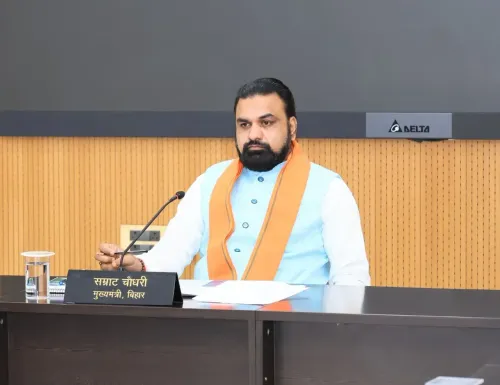
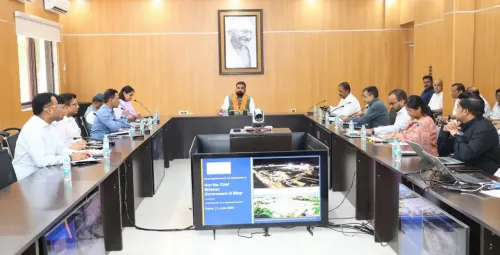
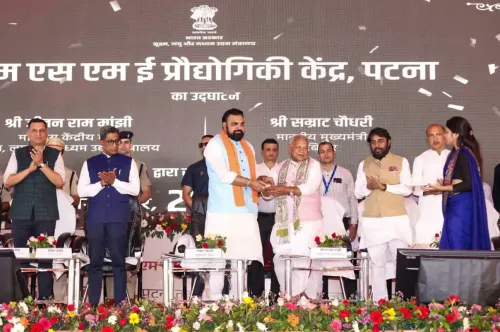
CM Samrat Choudhary inaugurates CtrlS data centre in Patna
Synopsis
Bihar Chief Minister Samrat Choudhary inaugurated CtrlS's 12 MW data centre in Patna's Patliputra Industrial Area on 13 October 2026 and signed a ₹10,000 crore investment MoU, positioning Bihar as a rising hub in India's competitive data centre landscape.
Key Takeaways
CtrlS launched a 12-megawatt data centre in Patna's Patliputra Industrial Area on 13 October 2026 .
Bihar CM Samrat Choudhary inaugurated the facility and signed a fresh MoU for ₹10,000 crore in additional investment.
Bihar has been actively signing IT and infrastructure MoUs since 2020 to diversify its economy.
The move is part of a broader national trend of eastern states competing with Maharashtra and Tamil Nadu for data centre investment.
Specific employment targets and timelines tied to the new MoU have not yet been publicly disclosed.
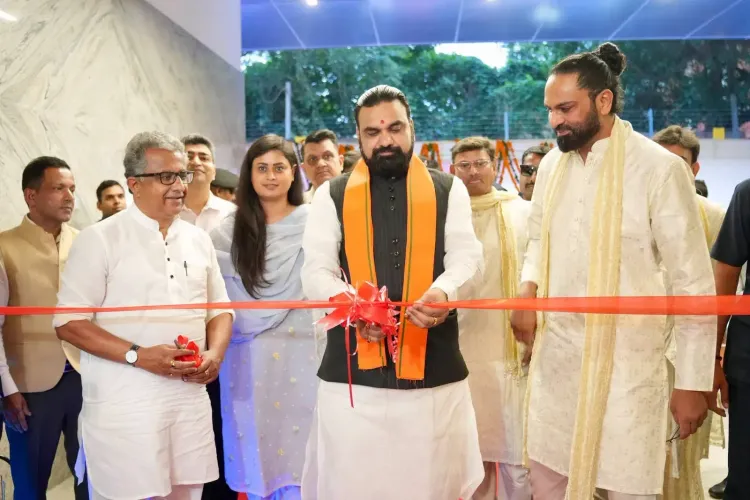
A 12-megawatt data centre now stands live in Patna's Patliputra Industrial Area — and Bihar Chief Minister Samrat Choudhary wants it to be the opening move in a far larger digital gambit. On Tuesday, 13 October 2026, Choudhary inaugurated the facility built by CtrlS, one of India's established data centre operators, and simultaneously signed a memorandum of understanding for an additional ₹10,000 crore in investment into the state.
What CtrlS is putting on the ground in Patliputra
The new facility at the Patliputra Industrial Area represents CtrlS's entry into Bihar's technology infrastructure map. With 12 MW of commissioned capacity, it is equipped to serve cloud computing, enterprise IT, and data-localisation workloads — sectors growing rapidly as Indian businesses and government agencies look to comply with domestic data-storage requirements. Choudhary, posting on X, described the launch and the fresh MoU as moves that will give 'digital kranti, audyogik vikas aur rozgar srijan ko nayi gati' — new momentum to digital revolution, industrial development, and job creation in Bihar.
Bihar's ₹10,000 crore MoU and the race for eastern India's data corridors
The investment pledge signed alongside the inauguration signals ambition well beyond a single building. Bihar's government has been systematically courting IT and infrastructure capital since 2020, signing a series of MoUs across digital and industrial verticals. The ₹10,000 crore figure, if realised, would be among the largest single-company digital infrastructure commitments the state has attracted.
The broader competitive backdrop makes this moment sharper. Indian states are locked in an intensifying contest to host data centres as cloud adoption, AI workloads, and national data-localisation policies drive unprecedented demand. Maharashtra and Tamil Nadu have historically dominated this market; eastern states including Bihar are now offering land, incentives, and political attention to close the gap. Patliputra's selection — an established industrial zone rather than a greenfield plot — signals a preference for speed to market.
Jobs, digital equity, and what Bihar's youth stand to gain
For a state whose economy has long relied on agriculture and remittances from migrants working elsewhere, technology infrastructure carries a significance beyond server racks. Data centres create direct technical employment and, more importantly, act as anchors for adjacent IT services, logistics, and skills ecosystems. Bihar's youth — a large, young demographic historically underserved by local white-collar opportunity — are the stated beneficiaries of the state government's industrial push. The CtrlS facility and the associated MoU are positioned squarely within that narrative.
The specific employment targets, timelines, and implementing agencies tied to the fresh ₹10,000 crore commitment have not yet been publicly detailed. Progress on those disclosures will be the clearest measure of whether this inauguration marks a turning point or a headline.
Bihar just plugged itself into India's digital infrastructure grid — now the clock starts on delivery.
Point of View
Operational asset alongside an aspirational MoU gives the government a credible story to tell. The ₹10,000 crore pledge, however, will only harden into political capital if timelines, jobs, and phased capacity expansions are publicly announced and tracked. More broadly, Bihar's digital infrastructure push reflects a wider sub-national shift: states that once competed only on manufacturing incentives are now treating server capacity as a sovereignty asset. Whether Bihar can sustain this momentum against better-connected rivals in western and southern India depends on the regulatory and talent ecosystem it builds around this first anchor facility.
NationPress
13 Oct 2026
Frequently Asked Questions
What is the CtrlS data centre inaugurated in Patna?
CtrlS, an Indian data centre operator, has launched a 12-megawatt facility in Patna's Patliputra Industrial Area, inaugurated by Bihar Chief Minister Samrat Choudhary on 13 October 2026. The centre is designed to serve cloud, enterprise IT, and data-localisation workloads.
What is the ₹10,000 crore MoU signed in Bihar?
Alongside the inauguration, Bihar CM Samrat Choudhary signed a memorandum of understanding for ₹10,000 crore in additional investment by CtrlS into the state. Specific timelines and employment targets tied to the commitment have not yet been publicly detailed.
Why is Bihar attracting data centre investment?
Bihar is offering industrial land, government incentives, and policy attention to position itself as an alternative to saturated data centre markets in Maharashtra and Tamil Nadu, riding a national wave of demand driven by cloud adoption, AI workloads, and data-localisation policies.
What is the Patliputra Industrial Area in Patna?
The Patliputra Industrial Area is an established industrial zone in Patna, Bihar, targeted by the state government for manufacturing and technology projects including the new CtrlS data centre.
How does this data centre help Bihar's youth?
Data centres create direct technical jobs and anchor adjacent IT services and skills ecosystems. Bihar's government has positioned the CtrlS facility and associated investment as contributors to local employment and economic diversification for the state's large young population.