CM Samrat Choudhary joins Seva Sankalp cleanliness drive in Bihar
Synopsis
Bihar Chief Minister Samrat Choudhary joined the Seva Sankalp Abhiyan's 'Seva Mera Yogdan' cleanliness drive on 1 October 2026, participating in a swachhata campaign and urging citizens across Bihar to embrace public awareness for a cleaner state under the Swachh Bharat Mission.
Key Takeaways
Bihar CM Samrat Choudhary participated in a cleanliness drive on 1 October 2026 under the Seva Sankalp Abhiyan .
The activity was part of the 'Seva Mera Yogdan' ('Service Is My Contribution') strand of the campaign.
Choudhary appealed for jan-jagrukta (public awareness) on cleanliness across Bihar.
The post was tagged #SevaSankalpAbhiyan , #SwachhataHiSeva , and #SwachhBharat .
The Seva Sankalp Abhiyan is a BJP-led annual initiative tied to community service activities around PM Modi's birthday in September, extending into October.
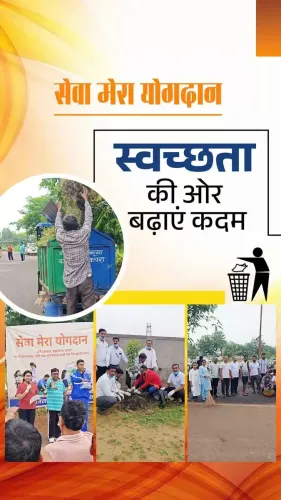
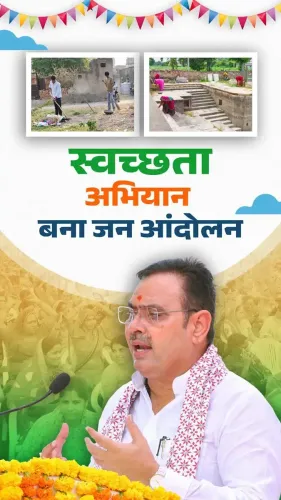
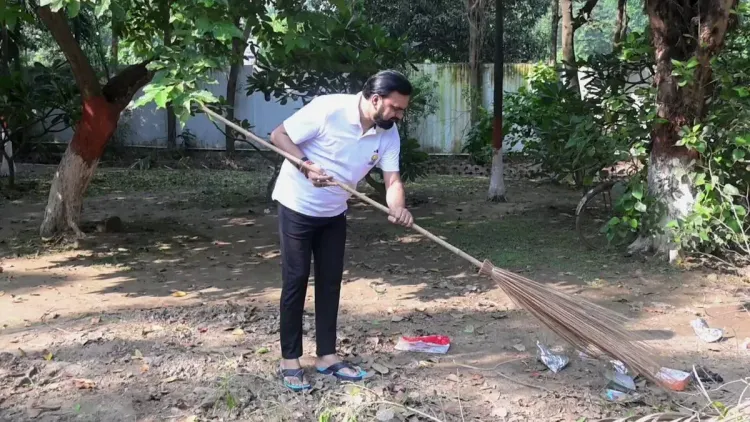
On the first day of October, Bihar Chief Minister Samrat Choudhary stepped off the dais and onto the ground — literally — picking up a broom as part of the Seva Sankalp Abhiyan's 'Seva Mera Yogdan' ('Service Is My Contribution') initiative, urging citizens to make cleanliness a personal commitment.
Sharing the moment on X on Thursday, 1 October 2026, the Chief Minister posted in Hindi: 'Seva Sankalp Abhiyan antargat 'Seva Mera Yogdan' ke tahat swachhata abhiyan mein bhag liya aur swachhata ke liye jan-jagrukta ka aagrah kiya' — 'Participated in a cleanliness drive under 'Seva Mera Yogdan' as part of Seva Sankalp Abhiyan and appealed for public awareness about cleanliness.' The post carried the hashtags #SevaSankalpAbhiyan, #SwachhataHiSeva, and #SwachhBharat.
Seva Sankalp Abhiyan and the 'Service Is My Contribution' frame
The Seva Sankalp Abhiyan is an annual public-outreach campaign run by the BJP around the birth anniversary of Prime Minister Narendra Modi — observed on 17 September — that extends across several weeks into October. The 'Seva Mera Yogdan' strand within it asks elected representatives and party workers to participate visibly in community-service activities, from health camps to cleanliness drives, positioning voluntarism as a political value.
Swachh Bharat at the grassroots — Bihar's continuing push
Bihar has long faced sanitation challenges, and state-level leaders routinely anchor cleanliness messaging to the Centre's flagship Swachh Bharat Mission. By personally joining a swachhata abhiyan and calling for jan-jagrukta (public awareness), Chief Minister Choudhary is reinforcing the message that hygiene is a civic duty — not merely a government scheme — ahead of the post-monsoon season when sanitation pressures are acute.
The kicker: when a Chief Minister wields a broom in public, the gesture is a calculated signal — that the state's top office is invested in the last-mile reality of Swachh Bharat, and that every citizen's participation, not just policy on paper, is the actual measure of success.Point of View
Approachable image. In a state where sanitation metrics have historically lagged, such optics carry real electoral messaging value. Whether it translates into measurable change on the ground will depend on follow-through beyond the campaign window.
NationPress
1 Oct 2026
Frequently Asked Questions
What is Seva Sankalp Abhiyan?
Seva Sankalp Abhiyan is an annual BJP-led public-service campaign that runs around Prime Minister Narendra Modi's birthday on 17 September and extends into October, encouraging elected representatives and workers to undertake community-service activities such as cleanliness drives and health camps.
What is 'Seva Mera Yogdan'?
'Seva Mera Yogdan', meaning 'Service Is My Contribution', is a strand within the Seva Sankalp Abhiyan that asks leaders and volunteers to personally participate in community service, emphasising voluntarism and civic responsibility.
Why did Bihar CM Samrat Choudhary join a cleanliness drive?
Bihar CM Samrat Choudhary participated in the swachhata drive on 1 October 2026 under the Seva Sankalp Abhiyan to reinforce the Swachh Bharat Mission's message at the grassroots and urge citizens to take personal ownership of cleanliness.
What is Swachh Bharat Mission and how does it relate to Bihar?
Swachh Bharat Mission is the Central Government's flagship sanitation and cleanliness initiative. Bihar, which has historically faced sanitation challenges, has been an active implementation ground for the mission, making state-level leadership participation symbolically and practically significant.
When did Samrat Choudhary post about the cleanliness drive?
Bihar Chief Minister Samrat Choudhary posted about his participation in the Seva Sankalp Abhiyan cleanliness drive on Thursday, 1 October 2026, at approximately 10:12 AM IST on X.