Pakistan airstrikes kill 9 civilians in Afghanistan's Kunar and Helmand
Synopsis
Pakistan's military struck civilian homes in Afghanistan's Kunar and Helmand provinces, killing nine people including women and children — the latest in a string of cross-border strikes that have now killed at least 16 Afghan civilians in under two weeks. The Taliban has accused Islamabad of targeting civilians to distract from domestic unrest and evade obligations under the Mecca Pact with Saudi Arabia and Turkey.
Key Takeaways
Pakistani airstrikes on Wednesday night killed at least 9 civilians , including women and children, in Kunar and Helmand provinces.
11 others were injured and three homes were destroyed in the Chugam and Safar areas.
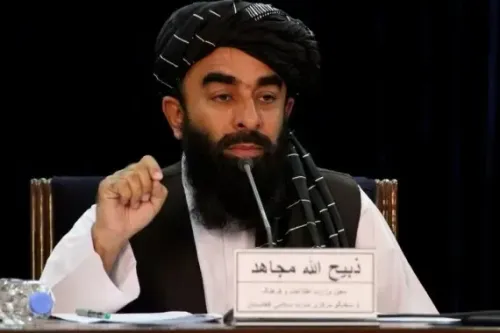
Taliban spokesperson Zabihullah Mujahid condemned the strikes as an 'act of aggression' and warned of an 'appropriate response' .
Earlier strikes on 24 September killed 4 civilians in Kandahar, Paktia, and Khost; strikes on 21 September killed 3 in Kunar and Paktika.
The Taliban alleges Pakistan is targeting Afghanistan to deflect from domestic unrest and to evade the Mecca Pact signed by Saudi Arabia, Pakistan, and Turkey on 7 August .
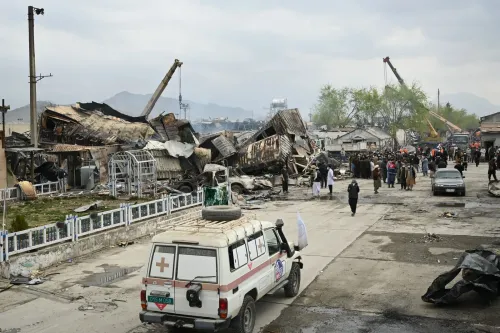
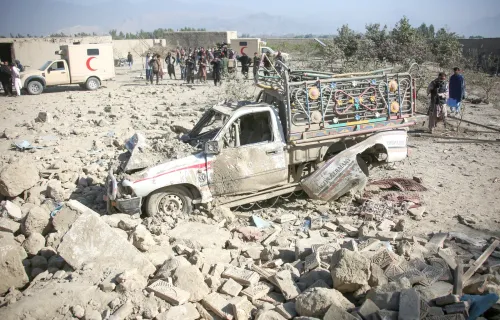
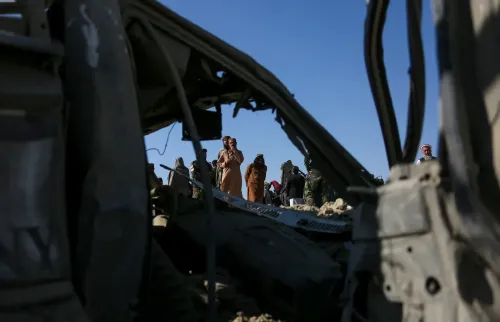
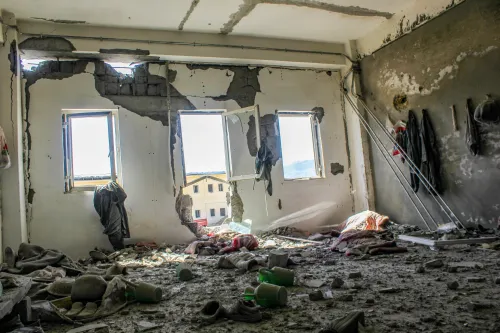
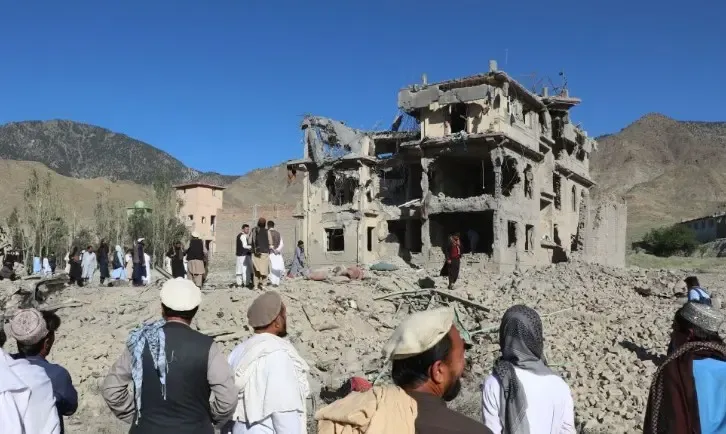
Pakistani military airstrikes on Wednesday night, 1 October 2025, killed at least nine civilians — including women and children — and injured 11 others after hitting residential areas in Afghanistan's Kunar and Helmand provinces, Taliban spokesperson Zabihullah Mujahid confirmed on Thursday. Three homes were destroyed in the attacks, which struck the Chugam area of Shultan district in Kunar and the Safar area of Garmser district in Helmand.
What Happened on the Ground
Mujahid, posting on X, described the strikes as a deliberate targeting of civilian homes by Pakistani aircraft. 'Last night, Pakistani aircraft bombed civilian homes in Chugam, Shultan District of Kunar, and Safar, Garmser District of Helmand. Nine Afghan civilians, including women and children, were killed, 11 were injured, and three homes were destroyed,' he wrote. The Taliban administration formally condemned the strikes as 'an act of aggression and crime in violation of all accepted principles.'
A Pattern of Escalating Strikes
This is not an isolated incident. The latest attack is part of a sharply escalating pattern of Pakistani airstrikes across multiple Afghan provinces in recent weeks. On 24 September, Pakistani strikes in Kandahar, Paktia, and Khost killed four civilians. Three days before that, strikes in Kunar and Paktika left three people dead. The cumulative civilian death toll from this wave of strikes has now climbed significantly, drawing repeated condemnation from Kabul.
Taliban's Allegations Against Islamabad
Speaking at a religious seminary in Kandahar, Mujahid alleged that Pakistan was using military strikes on Afghan territory to deflect attention from mounting domestic pressures — including internal protests and deepening political and economic instability. He further alleged that Islamabad was attempting to sidestep obligations under the Mecca Pact, a trilateral defence agreement signed by Saudi Arabia, Pakistan, and Turkey on 7 August, under which an armed attack on any signatory is treated as an attack on all three. 'Pakistan's recent attacks on Afghanistan were carried out with the aim of escaping the Mecca agreement with Saudi Arabia, while portraying the situation as though Pakistan is engaged in a war in Afghanistan,' Mujahid said, according to Afghan media outlet Ariana News.
Warning of Retaliation
Mujahid warned that Afghanistan would deliver an 'appropriate response' to what he characterised as the Pakistani military regime's 'bullying'. He also accused Pakistan of 'violating the territory of its neighbouring Islamic country' to distract from its domestic failures. The warning signals a potential further deterioration in Afghanistan-Pakistan relations, which have been strained for years over cross-border militant activity and disputed territorial claims.
Regional and Diplomatic Context
The strikes complicate an already fraught geopolitical situation in South Asia. The Mecca Pact — designed to project collective deterrence — now sits awkwardly at the centre of Taliban accusations against one of its own signatories. Notably, the Taliban administration, which is not internationally recognised, has nonetheless asserted sovereignty claims with increasing assertiveness. How Saudi Arabia and Turkey respond to Kabul's invocation of the pact's language — even informally — will be closely watched. The latest strikes are likely to intensify international scrutiny of Pakistan's military operations along the Afghan border.
Point of View
With at least 16 deaths in under two weeks. The Taliban's invocation of the Mecca Pact is a shrewd diplomatic pressure point: it puts Saudi Arabia in an awkward position and forces Turkey to publicly choose between a NATO ally and its obligations as a signatory. What mainstream coverage misses is that Pakistan's military, facing domestic legitimacy challenges, has historically used frontier escalations to consolidate internal support — a pattern that makes de-escalation harder, not easier, to negotiate.
NationPress
1 Oct 2026
Frequently Asked Questions
How many civilians were killed in Pakistan's airstrikes on Afghanistan?
At least nine civilians, including women and children, were killed and 11 others were injured in Pakistani airstrikes on residential areas in Kunar and Helmand provinces on the night of 1 October 2025. Three homes were also destroyed in the attacks.
Which areas of Afghanistan were targeted in the latest Pakistani strikes?
The strikes hit the Chugam area of Shultan district in Kunar province and the Safar area of Garmser district in Helmand province, according to Taliban spokesperson Zabihullah Mujahid.
What is the Mecca Pact and why is it relevant to the Afghanistan-Pakistan strikes?
The Mecca Pact is a trilateral defence agreement signed by Saudi Arabia, Pakistan, and Turkey on 7 August, under which an armed attack on any signatory is treated as an attack on all three. The Taliban has alleged that Pakistan is striking Afghanistan partly to escape obligations under this pact, framing its operations as a war engagement rather than an act of aggression.
Has Pakistan carried out earlier strikes in Afghanistan recently?
Yes. Pakistani strikes on 24 September killed four civilians in Kandahar, Paktia, and Khost. Strikes carried out on 21 September killed three people in Kunar and Paktika. The latest attack is part of an escalating wave of cross-border strikes in recent weeks.
How has the Taliban responded to the airstrikes?
Taliban spokesperson Zabihullah Mujahid condemned the strikes as 'an act of aggression and crime in violation of all accepted principles' and warned that Afghanistan would give an 'appropriate response'. He also accused Pakistan of targeting civilians to divert attention from mounting domestic political and economic problems.