Pakistani airstrikes kill 3 in Afghanistan's Kunar, Paktika; Taliban warns of 'appropriate response'
Synopsis
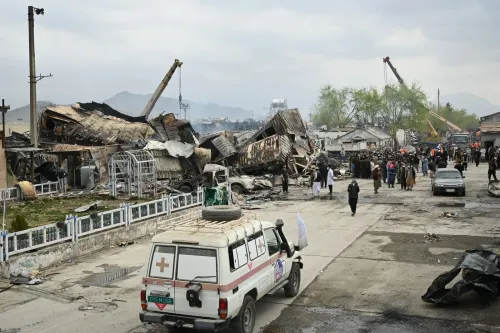
Pakistan's airstrikes on Afghanistan's Kunar and Paktika provinces on 21 September killed three civilians and wounded four more — the latest episode in a deepening cross-border conflict that the UN says has claimed 57 lives since April. The Taliban has now issued a public warning of retaliation, raising the stakes in one of South Asia's most volatile bilateral relationships.
Key Takeaways
Pakistani airstrikes on Kunar and Paktika provinces on 21 September killed 3 civilians and wounded 4 others .
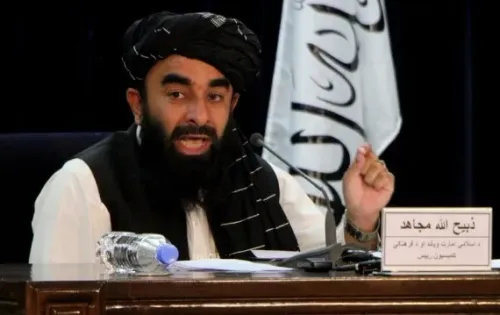
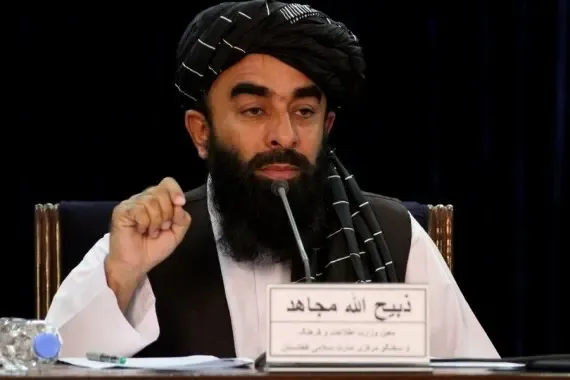
Taliban spokesperson Zabihullah Mujahid condemned the strikes and warned of an 'appropriate response.' Mujahid accused Pakistan's military establishment of targeting civilians to distract from domestic security failures.
UNAMA documented 57 killed and 342 injured in cross-border violence between 1 April and 30 June , attributing all casualties to Pakistani forces.
Human Rights Watch called on 15 July for an impartial investigation into possible war crimes.
Pakistan has accused the Taliban of failing to prevent TTP operations from Afghan soil — a charge Kabul rejects.
Taliban chief spokesperson Zabihullah Mujahid on Monday, 21 September 2026, condemned Pakistan's airstrikes on Kunar and Paktika provinces of Afghanistan, which killed at least three civilians, and warned that Afghans would deliver an 'appropriate response' to what he called an act of aggression.
What the Strikes Hit
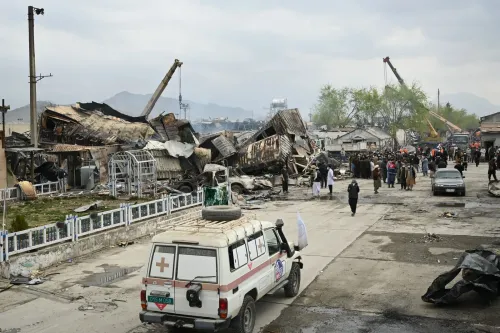
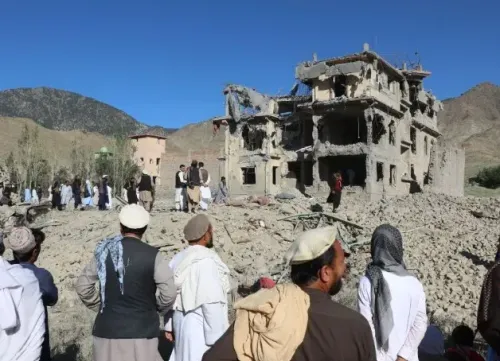
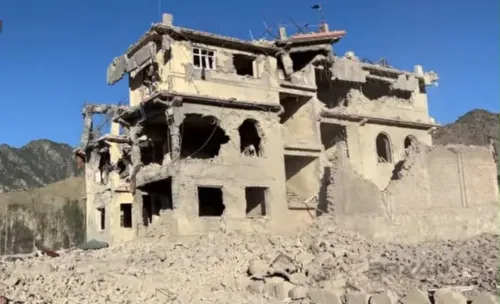
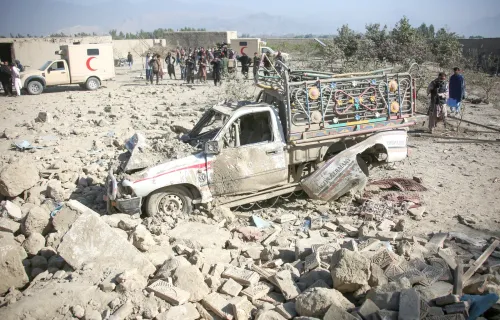
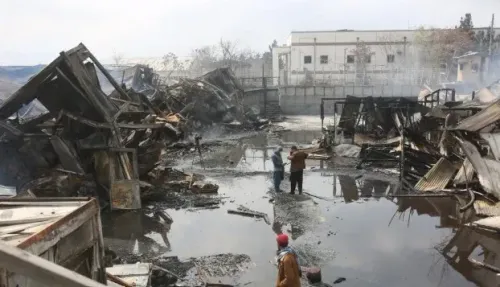
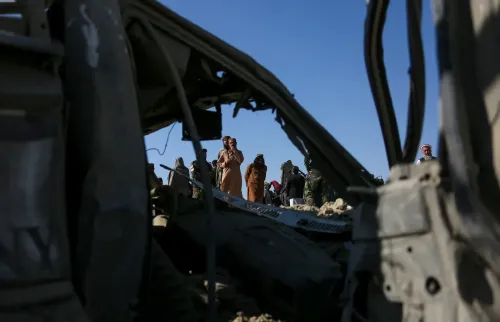
According to Mujahid, Pakistani strikes in Kunar killed one woman and two men and wounded two women and two men, all described as local civilian residents. In Paktika, a house and a local shop were bombed, with no casualties reported from that province. Mujahid posted details of the strikes directly on X, characterising them as a 'repetition of crimes' against Afghan civilians.
'Crime and Aggression: Last night, the invading Pakistani army bombarded civilian areas of Afghanistan in Kunar and Paktika provinces. In Kunar, one woman and two men were martyred, and two women and two men were wounded; all of them are local civilian residents. In Paktika, one house and one local shop were bombed, with no casualties reported,' Mujahid posted.
Taliban's Accusation Against Pakistan
The Taliban spokesperson accused Pakistan's military establishment of launching the strikes to divert domestic attention from its own internal security failures. 'Afghans will give an appropriate response to this aggression, God willing,' he added. Afghan authorities have consistently rejected Pakistani claims that the Taliban is complicit in allowing armed groups — particularly the Tehreek-e-Taliban Pakistan (TTP) — to operate from Afghan soil.
This denial sits at the core of a deepening rift between the two neighbours, with Islamabad repeatedly pressing Kabul to act against cross-border militant activity — and the Taliban administration consistently pushing back.
UN Documents Growing Civilian Toll
The latest strikes compound a documented pattern of cross-border civilian harm. On 28 July, the United Nations Assistance Mission in Afghanistan (UNAMA) reported that 57 people were killed and 342 others injured in cross-border armed violence in Afghanistan between 1 April and 30 June. The UN attributed all cross-border civilian casualties during that period to Pakistani security forces.
Among the victims, according to UNAMA, were 26 children killed and 86 injured, alongside six women killed and 34 injured. The agency identified the single deadliest incident as Pakistani airstrikes in Paktia, Paktika, and Kunar on 28 June, followed by shelling in Kunar between 27 and 29 April.
Human Rights Watch Calls for War Crimes Probe
On 15 July, US-based advocacy group Human Rights Watch (HRW) called for an impartial investigation into possible war crimes following Pakistan's strikes in Afghanistan. HRW cautioned that civilian casualties alone are not conclusive proof of laws-of-war violations, but said reports of civilian deaths heightened the urgent need for independent probes.
'International humanitarian law requires warring parties to take all feasible precautions to minimise civilian harm. Attacking forces must at all times distinguish between civilians and civilian objects on the one hand, and combatants and military objectives on the other, and only target the latter,' HRW stated.
The rights group also noted that violations by one side do not relieve the other of its own legal obligations — a remark widely read as addressed to both Islamabad and the Taliban administration.
Escalating Tensions, Uncertain Outlook
Monday's strikes are the latest in a series of cross-border confrontations that have intensified over the past several months. With the UN documenting hundreds of casualties, HRW demanding accountability, and the Taliban now issuing a public warning of retaliation, the Pakistan-Afghanistan relationship appears to be entering a more volatile phase — with civilian populations on both sides of the border bearing the heaviest cost.
Point of View
Escalating pattern that the UN has now quantified in civilian deaths and child casualties. Pakistan frames its cross-border operations as counter-terrorism; the Taliban frames them as aggression against sovereignty. Both narratives have merit and neither is the full picture. What is being systematically undercovered is the civilian cost: 57 killed and 342 injured in a single quarter, with children among the majority. With HRW calling for a war crimes investigation and the Taliban now publicly threatening retaliation, the risk of a more open military confrontation between a nuclear-armed state and a sanctioned, unrecognised government is not theoretical — it is measurably closer than it was six months ago.
NationPress
21 Sept 2026
Frequently Asked Questions
What happened in Pakistan's airstrikes on Afghanistan on 21 September?
Pakistani airstrikes hit Kunar and Paktika provinces of Afghanistan on 21 September, killing three civilians — one woman and two men in Kunar — and wounding four others. In Paktika, a house and a local shop were bombed with no reported casualties.
What did the Taliban say about the Pakistani airstrikes?
Taliban chief spokesperson Zabihullah Mujahid condemned the strikes as 'crime and aggression,' accusing Pakistan's military establishment of targeting civilian areas to divert attention from its own internal security failures. He warned that 'Afghans will give an appropriate response to this aggression.'
How many civilians has cross-border violence between Pakistan and Afghanistan killed in 2026?
According to UNAMA, 57 people were killed and 342 injured in cross-border armed violence in Afghanistan between 1 April and 30 June 2026. The UN attributed all those casualties to Pakistani security forces, with 26 children among the dead.
Has there been any international response to Pakistan's strikes in Afghanistan?
Human Rights Watch called on 15 July for an impartial investigation into possible war crimes following Pakistan's strikes. HRW cited international humanitarian law, which requires warring parties to distinguish between civilians and military targets at all times.
Why is Pakistan conducting airstrikes inside Afghanistan?
Pakistan says it is targeting armed militant groups, particularly the Tehreek-e-Taliban Pakistan (TTP), which it accuses the Afghan Taliban of allowing to operate from Afghan soil. The Taliban administration in Kabul denies these allegations and has consistently condemned the strikes as violations of Afghan sovereignty.