Pakistan airstrikes kill 10 civilians in Afghanistan's Kunar and Helmand
Synopsis
Pakistan's 1 October airstrikes in Afghanistan's Kunar and Helmand killed at least 10 civilians — mostly children — according to UNAMA, even as Islamabad insists it targeted TTP and BLA militants. With the Taliban condemning the strikes as 'aggression', Afghan civilians are caught in an unresolved proxy conflict that neither government appears willing — or able — to stop.
Key Takeaways
UNAMA confirmed at least 10 civilians killed , most of them children, and 9 injured in Pakistani airstrikes on 1 October 2026 .
Strikes hit Kunar and Helmand provinces; Pakistan said it targeted TTP and BLA hideouts and killed 22 militants .
Taliban said 9 people — including women and children — were killed and three homes destroyed; local journalists cited 6 deaths in Kunar's Shultan district alone.
Taliban spokesperson Zabihullah Mujahid condemned the strikes as 'aggression and crime in violation of all accepted principles.' UNAMA called for de-escalation, dialogue, and respect for international law in a post on X .
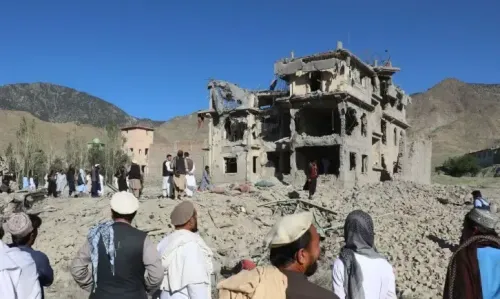
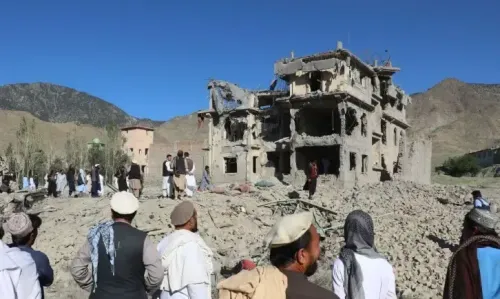
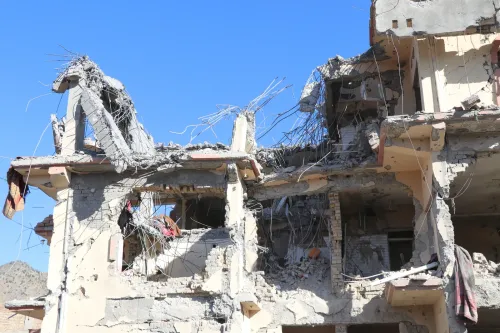
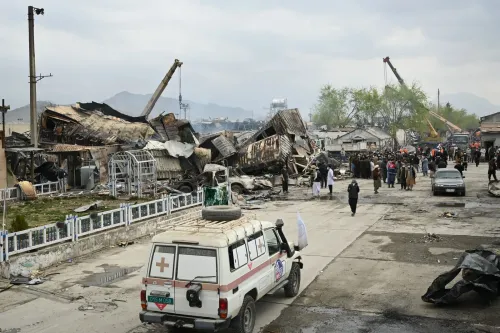
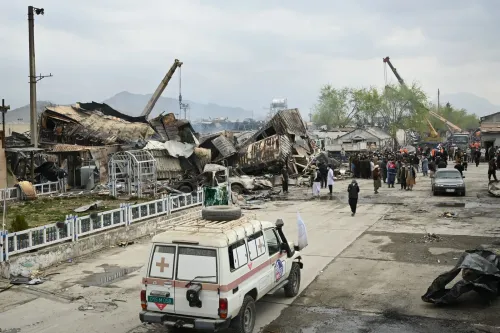
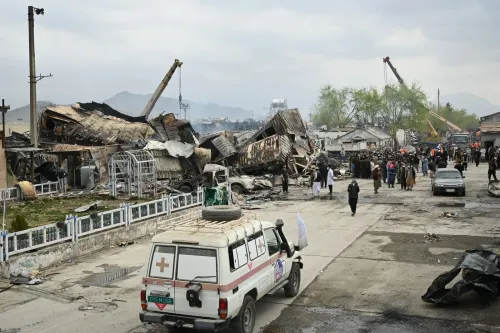
Pakistani airstrikes on 1 October 2026 killed at least 10 civilians — most of them children — and injured 9 others across Afghanistan's Kunar and Helmand provinces, according to the United Nations Assistance Mission in Afghanistan (UNAMA). The strikes have sharply escalated tensions along the Durand Line, with Kabul and Islamabad trading accusations while ordinary Afghans bear the consequences.
What Happened on 1 October
Pakistan said its airstrikes targeted militant hideouts used by Tehreek-e-Taliban Pakistan (TTP) and the Balochistan Liberation Army (BLA), claiming 22 militants were killed and weapons caches destroyed. The Taliban administration in Kabul, however, said nine people — including women and children — were killed and 11 others injured, with three homes destroyed in the strikes.
UNAMA's independent count placed the civilian death toll at a minimum of 10, with most victims identified as children. The mission confirmed casualties in both Kunar and Helmand provinces.
On the Ground in Kunar
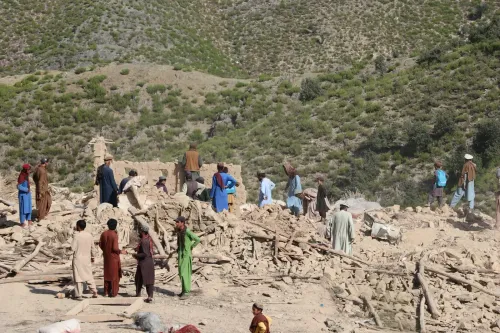
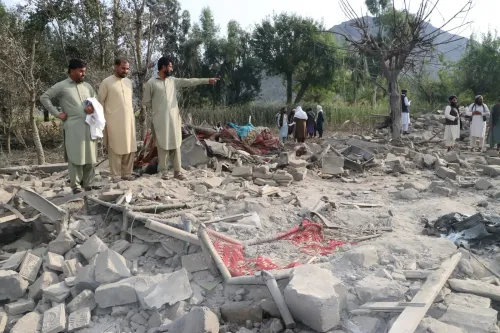
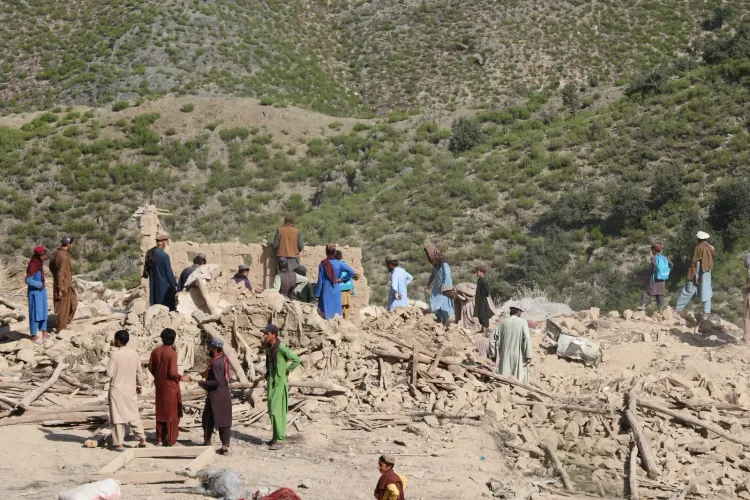
Local sources in Kunar said the strike hit a civilian home in the Chaugam area of Shultan district. Local journalists reported six people, including children, killed and three others injured. Residents said livestock — goats, cows, and donkeys — were also killed in the attack, which reportedly occurred around 3 am.
Musafer Khan, a resident of Shultan district, was quoted in a report by the Afghan Diaspora Network as saying: 'I came to help after the attack, which happened around 3 am. The family was very poor. They had livestock and many of the animals were killed. I want the authorities and the international community to investigate this atrocity.'
A resident of Garmser district in Helmand also disputed Pakistan's militant-targeting claims: 'There were no terrorists here. They were all civilians. Most of them were poor people who worked as daily labourers in the market to earn a living and provide food for their children. We call on the United Nations to investigate this incident,' the Afghan Diaspora Network reported.
Diplomatic Fallout and Taliban's Response
Taliban spokesperson Zabihullah Mujahid condemned the strikes as 'aggression and crime in violation of all accepted principles,' according to the Afghan Diaspora Network report. Another Afghan resident, Safa Rawza, warned that Afghans would stand with the Taliban if Pakistan continued its cross-border attacks — a statement that underscores the domestic political pressure the strikes generate for Kabul.
This comes amid a broader deterioration in Pakistan-Afghanistan relations, driven largely by Islamabad's longstanding accusations that the Taliban administration provides sanctuary to TTP fighters who carry out attacks inside Pakistan. The Taliban has consistently denied those allegations.
UNAMA Calls for De-escalation
In a post on X, UNAMA confirmed: 'At least 10 civilians were killed, most of them children, and 9 people injured in airstrikes carried out in Afghanistan's Kunar and Helmand provinces.' The mission reiterated its call for 'de-escalation, dialogue, respect for international law and prevention of further civilian harm.'
As writer Gaheez Salarzai noted in the Afghan Diaspora Network report: 'In villages such as Shultan and Safar, families are not debating intelligence assessments or military strategy. They are burying relatives, clearing rubble and trying to rebuild lives shattered by another round of violence.' Salarzai added that 'the names of the armed groups may change, and the justifications may differ, but for many Afghans, the outcome has become tragically familiar: another airstrike, another funeral, and another community left to rebuild from the rubble.'
With UNAMA's call unanswered and both governments entrenched in their positions, the prospect of further cross-border strikes — and further civilian casualties — remains a grim reality for communities along the Durand Line.
Point of View
Each side argues from its own body count. UNAMA's confirmation of at least 10 civilian deaths, mostly children, makes Pakistan's 'precision strike' framing difficult to sustain. The deeper problem is that neither Islamabad nor the Taliban administration in Kabul has an incentive to de-escalate — Pakistan faces real TTP pressure domestically, and the Taliban gains domestic legitimacy by playing the victim of foreign aggression. Afghan civilians pay the price of that strategic deadlock.
NationPress
5 Oct 2026
Frequently Asked Questions
How many civilians were killed in Pakistan's airstrikes in Afghanistan on 1 October 2026?
UNAMA confirmed at least 10 civilians were killed, most of them children, and 9 others were injured in Pakistani airstrikes in Afghanistan's Kunar and Helmand provinces on 1 October 2026. The Taliban administration put its own toll at 9 dead and 11 injured.
Why did Pakistan carry out airstrikes inside Afghanistan?
Pakistan said the airstrikes targeted militant hideouts used by Tehreek-e-Taliban Pakistan (TTP) and the Balochistan Liberation Army (BLA), claiming 22 militants were killed. Islamabad has repeatedly accused the Taliban administration of sheltering TTP fighters who conduct attacks inside Pakistan, an allegation Kabul denies.
How did the Taliban respond to the Pakistani airstrikes?
Taliban spokesperson Zabihullah Mujahid condemned the strikes as 'aggression and crime in violation of all accepted principles.' Afghan residents also warned they would stand with the Taliban if Pakistan continued cross-border attacks.
What did UNAMA say about the airstrikes?
UNAMA posted on X confirming at least 10 civilians — most of them children — were killed and 9 injured. The mission reiterated its call for de-escalation, dialogue, respect for international law, and prevention of further civilian harm.
What is the Durand Line and why is it central to this conflict?
The Durand Line is the approximately 2,670-kilometre border between Pakistan and Afghanistan, drawn under British colonial rule in 1893 and never formally recognised by successive Afghan governments. Disputed sovereignty and porous terrain make it a persistent flashpoint, with both TTP militants and Pakistani military operations crossing it regularly.