Pakistan strikes kill Afghan civilians; ex-US envoy Khalilzad demands strategy shift
Synopsis
A former US top diplomat on Afghanistan has publicly declared that Pakistan's strategy — striking Afghan civilian areas while its own internal crises deepen — is broken and must change. With UNAMA confirming at least three civilian deaths in Kunar and the Taliban warning of an 'appropriate response,' the latest cross-border escalation risks spiralling beyond Islamabad's control.
Key Takeaways
Pakistan conducted airstrikes on Kunar and Paktika provinces of Afghanistan in the early hours of 21 September 2026 .
UNAMA confirmed at least three civilian deaths — a man, a woman, and a girl — and four injured in Kunar.
Former US Special Envoy Zalmay Khalilzad called Pakistan's approach 'not working' and demanded a change in strategy.
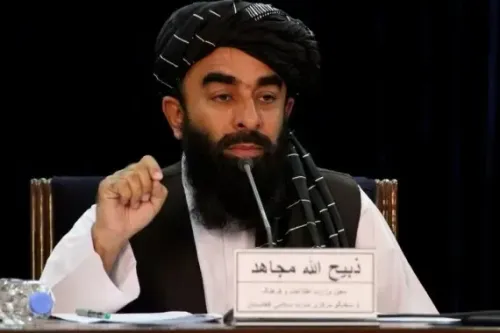
Taliban spokesperson Zabihullah Mujahid condemned the strikes as 'a repetition of crimes' and warned of an 'appropriate response.' Pakistan has not publicly responded to either the UN confirmation or the Taliban's accusations as of this report.
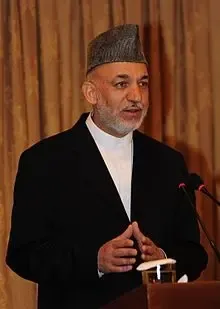
Former US Special Envoy for Afghanistan Reconciliation Zalmay Khalilzad on Monday, 21 September sharply criticised Pakistan for conducting fresh airstrikes on Afghanistan that killed civilians, warning that Islamabad's current approach to its internal crises and its relationship with Kabul is fundamentally failing. His remarks followed confirmation by the United Nations Assistance Mission in Afghanistan (UNAMA) of civilian deaths in overnight strikes on Kunar province.
UN Confirms Civilian Deaths in Kunar
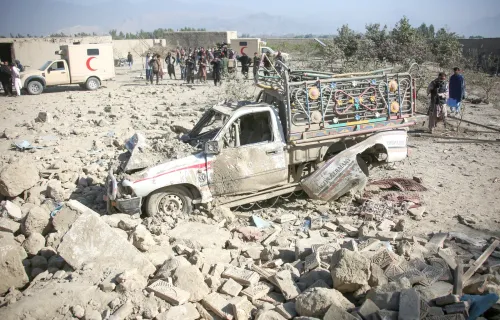
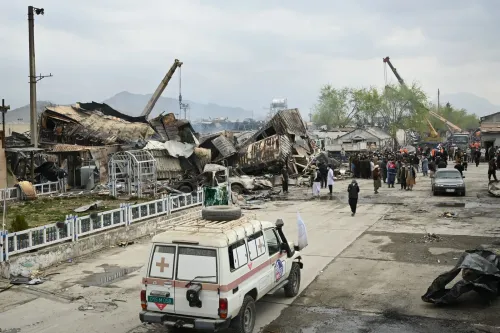
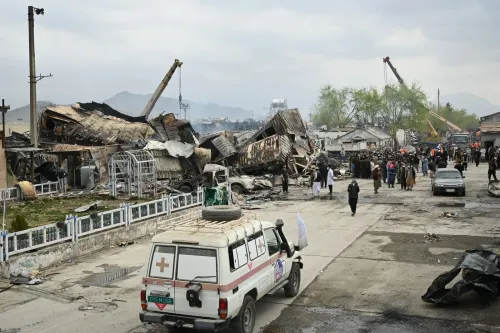
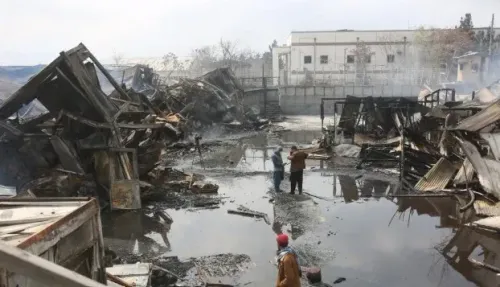
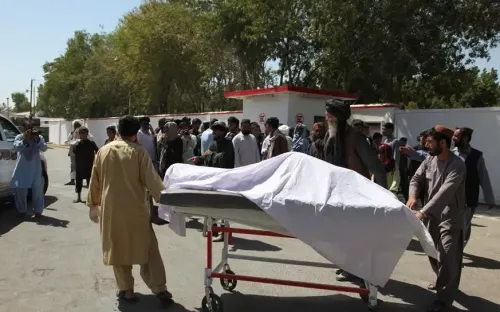
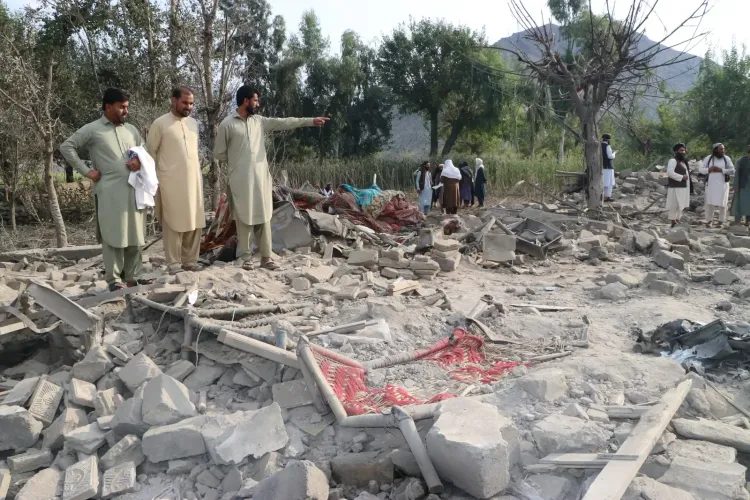
UNAMA confirmed that at least three civilians — identified as a man, a woman, and a girl — were killed, and four others were injured in what it described as 'apparent airstrikes' in Afghanistan's Kunar province in the early hours of 21 September. The UN mission's confirmation lent official weight to what had initially been reported by Afghan sources on the ground.
According to Taliban chief spokesperson Zabihullah Mujahid, the strikes also hit Paktika province, where one house and one local shop were bombed, though no casualties were reported there. Mujahid stated that in Kunar, 'one woman and two men were martyred, and two women and two men were wounded; all of them are local civilian residents.'
Khalilzad's Warning to Islamabad
'Once again, Pakistan has attacked Afghanistan, killing civilians. This attack takes place as Pakistan's internal crises intensify. Clearly, the current Pakistani approach to dealing with internal crises and relations with Afghanistan is not working. More of the same is not the solution,' Khalilzad posted on X.
The former envoy — who played a central role in brokering the 2020 Doha Agreement between the US and the Taliban — went further, invoking a pointed metaphor: 'When one is in a hole, the smart thing to do is to stop digging. Pakistan needs a change in strategy on dealing with key internal crises and on Afghanistan.' He added that he remained 'doubtful that the current leadership will change strategy,' and warned the current course would mean 'more bad news for Pakistan and Afghanistan.'
Taliban Condemns Strikes, Warns of Response
The Taliban administration condemned the airstrikes in unusually strong terms. Spokesperson Zabihullah Mujahid accused Pakistan's military establishment of launching the attacks to 'divert attention from its own internal security failures' — a charge Islamabad has not publicly responded to as of the time of this report.
'We condemn this aggression and oppression and consider it a repetition of crimes... Afghans will give an appropriate response to this aggression, God willing,' Mujahid posted on X. The phrase 'appropriate response' has drawn attention given the fragile and often volatile state of Pakistan-Afghanistan relations.
Pattern of Cross-Border Strikes
This is not the first time Pakistan has conducted airstrikes inside Afghan territory since the Taliban returned to power in 2021. Islamabad has repeatedly cited the presence of the Tehrik-i-Taliban Pakistan (TTP) — which uses Afghan soil to launch attacks on Pakistani security forces — as justification for cross-border operations. The Taliban government, however, denies providing sanctuary to the TTP and has consistently condemned Pakistani military action on Afghan civilians.
Notably, the timing of Khalilzad's intervention — as a private citizen but one with unmatched institutional knowledge of the Af-Pak dynamic — signals growing concern in Western policy circles about the trajectory of Pakistan-Afghanistan relations. The strikes come against a backdrop of intensifying domestic pressures inside Pakistan, including a severe economic crisis and ongoing military-political tensions.
What Happens Next
With the Taliban threatening an 'appropriate response' and UNAMA having officially confirmed civilian casualties, international pressure on Pakistan is likely to mount. The United Nations has not yet issued a formal statement calling for accountability, but the mission's confirmation of deaths could trigger wider diplomatic scrutiny. Pakistan's posture in the coming days — whether it acknowledges the strikes or maintains silence — will be closely watched by regional actors including India, China, and Iran, all of whom share borders or strategic interests in Afghan stability.
Point of View
Yet each airstrike killing civilians hands the Taliban a propaganda victory and further radicalises the border population. With Pakistan simultaneously battling an economic crisis and civil-military tensions at home, cross-border escalation is a pressure-release valve that risks becoming a pressure cooker. The international community's silence beyond UNAMA's confirmation also raises accountability questions that will not disappear.
NationPress
22 Sept 2026
Frequently Asked Questions
What happened in Pakistan's latest airstrike on Afghanistan?
Pakistan conducted airstrikes on Afghanistan's Kunar and Paktika provinces in the early hours of 21 September 2026. UNAMA confirmed at least three civilians — a man, a woman, and a girl — were killed and four others injured in Kunar, while in Paktika a house and a shop were hit with no casualties reported.
Who is Zalmay Khalilzad and why does his statement matter?
Zalmay Khalilzad served as the US Special Envoy for Afghanistan Reconciliation and was the chief American negotiator of the 2020 Doha Agreement with the Taliban. His public criticism of Pakistan's strategy carries significant diplomatic weight, signalling concern in Western policy circles about the Pakistan-Afghanistan spiral.
How has the Taliban responded to the Pakistani airstrikes?
Taliban chief spokesperson Zabihullah Mujahid condemned the strikes as 'a repetition of crimes' and accused Pakistan's military of launching them to divert attention from domestic security failures. He warned that 'Afghans will give an appropriate response to this aggression.'
Is this the first time Pakistan has struck Afghan territory?
No. Pakistan has conducted multiple cross-border airstrikes since the Taliban returned to power in 2021, citing the presence of the Tehrik-i-Taliban Pakistan (TTP) on Afghan soil. The Taliban consistently denies sheltering the TTP and has condemned each such attack.
What could happen next following these strikes?
With UNAMA having officially confirmed civilian casualties and the Taliban threatening retaliation, international pressure on Pakistan is expected to grow. Regional powers including India, China, and Iran — all with strategic stakes in Afghan stability — will be watching Pakistan's next move closely.