Pakistan airstrikes kill 10 in Afghanistan's Kunar and Helmand
Synopsis
Pakistani airstrikes have now killed at least 17 Afghan civilians in ten days — yet another confirmed attack on residential areas, this time in Kunar and Helmand, drew condemnations from UNAMA, the Taliban administration and former President Karzai. With children among the dead and international law invoked, the cross-border crisis is rapidly becoming a test for the UN and regional diplomacy.
Key Takeaways
UNAMA confirmed at least 10 civilians killed — most of them children — and 9 injured in Pakistani airstrikes on Afghanistan's Kunar and Helmand on 1 October 2026 .
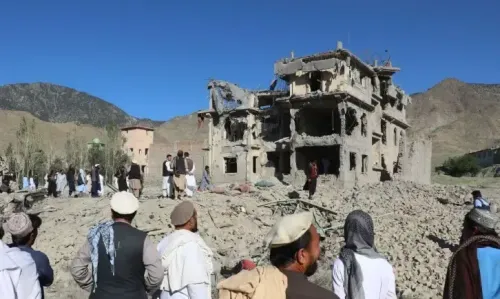
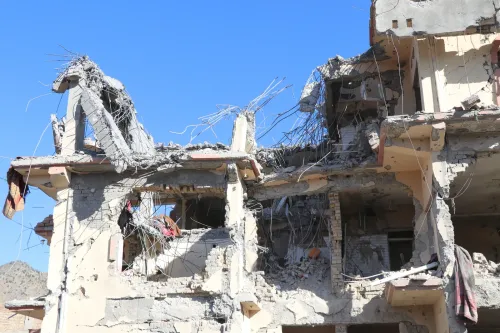
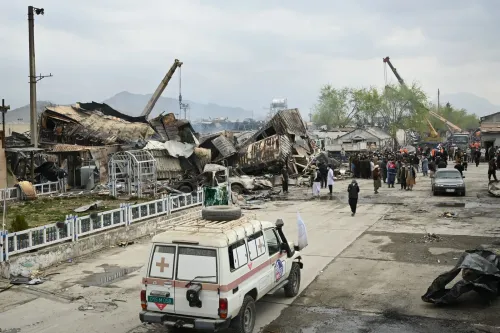
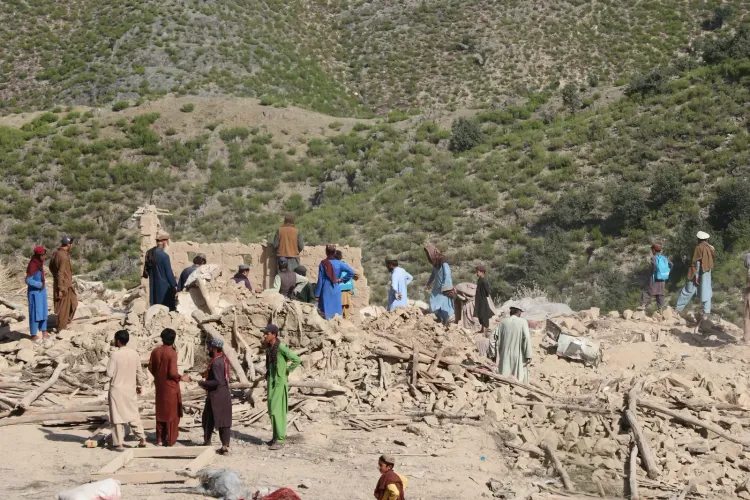
Taliban spokesperson Zabihullah Mujahid said the strikes hit Chugam (Shultan district, Kunar) and Safar (Garmser district, Helmand) , destroying 3 homes .
Former Afghan President Hamid Karzai called the strikes 'a violation of borders and an infringement on the sovereignty of Afghanistan.' Pakistani airstrikes have killed at least 17 Afghan civilians across multiple provinces since 21 September 2026 .
UNAMA reiterated its call for de-escalation, dialogue, and respect for international law .
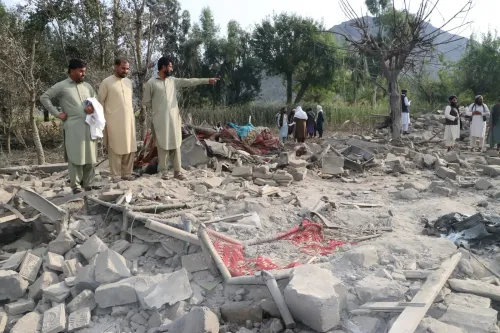
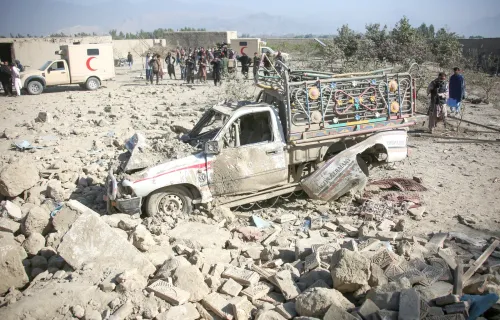
Pakistani airstrikes on Afghanistan's Kunar and Helmand provinces killed at least 10 civilians — most of them children — and injured nine others on 1 October 2026, the United Nations Assistance Mission in Afghanistan (UNAMA) confirmed. The strikes mark a sharp escalation in cross-border hostilities that have claimed civilian lives across multiple Afghan provinces over the past ten days.
What UNAMA Confirmed
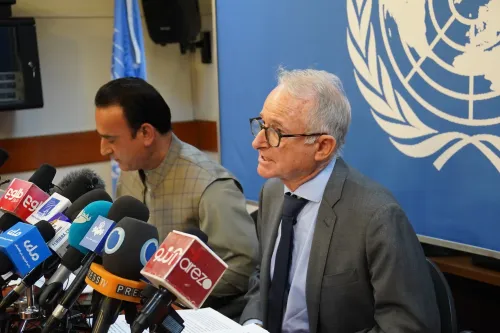
UNAMA stated it had verified the deaths of at least 10 civilians, most of them children, and the wounding of nine others in airstrikes carried out earlier on Thursday. The mission reiterated its call for de-escalation, dialogue, and respect for international law to prevent further civilian harm. 'UNAMA has confirmed that at least 10 civilians were killed, most of them children, and 9 people injured in airstrikes carried out in Afghanistan's Kunar and Helmand provinces earlier today,' the mission said in a statement posted on X.
Taliban and Karzai Condemnations
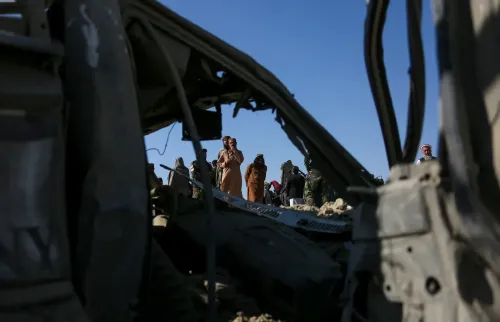
Taliban spokesperson Zabihullah Mujahid confirmed the attacks struck the Chugam area of Shultan district in Kunar and the Safar area of Garmser district in Helmand on Wednesday night, destroying three homes. Mujahid described the strikes as 'an act of aggression and crime in violation of all accepted principles,' adding that nine civilians including women and children were killed and 11 injured — a figure slightly higher than UNAMA's confirmed count, with the discrepancy likely reflecting information available at different points in time.
Former Afghan President Hamid Karzai also condemned the strikes, calling them 'a violation of borders and an infringement on the sovereignty of Afghanistan.' In a statement shared on X, Karzai said the Afghan people would collectively defend their homeland against 'foreign aggression' and urged Pakistan to halt what he termed hostile policies, stop promoting extremism, and engage with Afghanistan as a neighbour on the basis of good neighbourliness and civilised relations.
A Pattern of Escalating Strikes
The 1 October attack is not an isolated incident. On 24 September, Pakistani strikes in Kandahar, Paktia, and Khost killed four civilians. Three days earlier, on 21 September, strikes in Kunar and Paktika left three people dead. Taken together, at least 17 civilians have been killed in Pakistani airstrikes across Afghanistan within the span of roughly ten days, according to available reports.
This comes amid a broader deterioration in Pakistan-Afghanistan relations, with the Taliban administration and Islamabad trading accusations over cross-border militant activity. Pakistan has historically justified its strikes as targeting militant sanctuaries, though Afghan authorities and international observers have consistently disputed the civilian-safety claims accompanying such operations.
International and Humanitarian Concern
UNAMA's public confirmation — and its rare naming of a UN member state in the context of civilian harm — signals growing international concern over the trajectory of the conflict. Humanitarian organisations operating in Afghanistan's border regions, already strained by years of economic collapse and aid shortfalls, face compounded access difficulties as hostilities intensify. The United Nations has not yet announced any formal investigation or Security Council session in response to the latest strikes, but the repeated civilian toll is likely to increase pressure on member states to act.
Point of View
Civilian deaths including children, UN confirmation, diplomatic condemnation, no accountability — is no longer a crisis in the making; it is an established cycle. Pakistan has framed its operations as counter-terrorism, but three verified attacks in ten days, each killing civilians, corrodes that justification with every passing airstrike. UNAMA's willingness to publicly name a state actor is notable; the body has historically been cautious. What is missing is a credible international pressure mechanism — the UN Security Council remains structurally constrained when permanent members have competing interests in the Pakistan-Afghanistan dynamic. Without that, condemnations from Karzai and the Taliban, however morally significant, will not alter Islamabad's calculus.
NationPress
1 Oct 2026
Frequently Asked Questions
How many civilians were killed in Pakistan's airstrikes on Afghanistan on 1 October 2026?
UNAMA confirmed at least 10 civilians were killed — most of them children — and 9 others were injured in Pakistani airstrikes on Afghanistan's Kunar and Helmand provinces on 1 October 2026. Taliban spokesperson Zabihullah Mujahid put the toll at 9 killed and 11 injured, a slight discrepancy likely reflecting information available at different times.
Which areas in Afghanistan were targeted in the Pakistani airstrikes?
The strikes hit the Chugam area of Shultan district in Kunar province and the Safar area of Garmser district in Helmand province, according to Taliban spokesperson Zabihullah Mujahid. Three residential homes were destroyed in the attacks, which were carried out on Wednesday night.
What has UNAMA said about the Pakistani airstrikes in Afghanistan?
UNAMA confirmed the civilian deaths and injuries, and reiterated its call for de-escalation, dialogue, and respect for international law. The mission emphasised the need to prevent further civilian harm from cross-border hostilities.
How has the Taliban responded to Pakistan's airstrikes?
Taliban spokesperson Zabihullah Mujahid condemned the strikes as 'an act of aggression and crime in violation of all accepted principles.' The Taliban administration confirmed the attack locations and casualty figures, and publicly called out Pakistan by name.
Is this the first Pakistani airstrike on Afghanistan recently?
No. Pakistani airstrikes on 21 September killed three civilians in Kunar and Paktika, and strikes on 24 September killed four civilians in Kandahar, Paktia, and Khost. The 1 October strikes are the third such reported attack in roughly ten days, bringing the confirmed civilian death toll to at least 17.