Pakistan airstrikes kill 4 in Kandahar, Paktia, Khost: Taliban
Synopsis
Pakistan's military struck three Afghan provinces in a single day, killing four civilians — the second such cross-border attack in less than a week. With the Taliban warning of an 'appropriate response' and former President Karzai accusing Islamabad of reckless aggression, the Pakistan-Afghanistan frontier is on the edge of a serious escalation.
Key Takeaways
Pakistan's military struck Kandahar, Paktia, and Khost provinces on 24 September , killing four civilians , according to the Taliban.
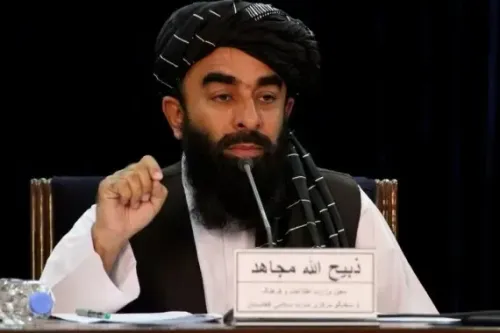
Taliban spokesperson Zabihullah Mujahid condemned the attacks as 'aggression and crime' and warned of an 'appropriate response.' Former Afghan President Hamid Karzai also condemned the strikes on X, urging Pakistan to choose 'good neighbourliness.' Pakistan's 21 September strikes on Kunar and Paktika killed three people ; the week's combined toll is at least seven civilians .
Pakistan has framed its operations as targeting militants using Afghan soil; the Taliban has denied sheltering such groups.
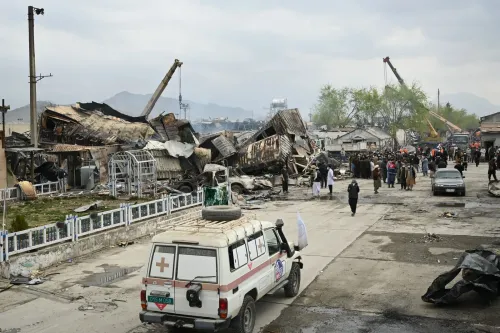
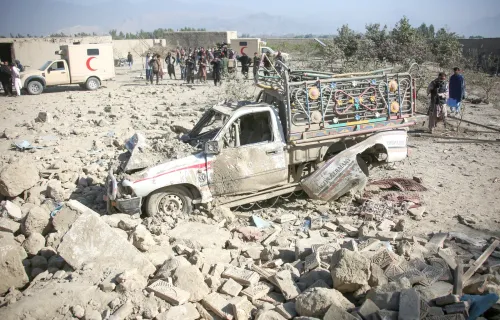
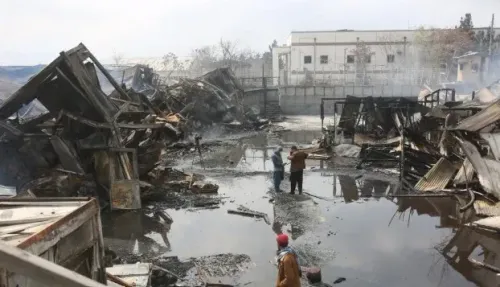
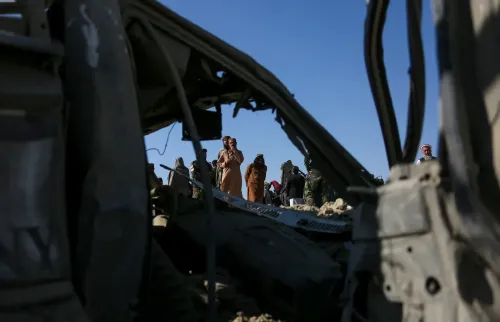
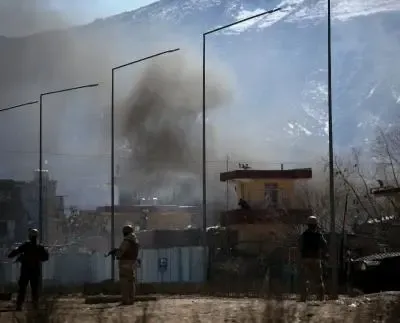
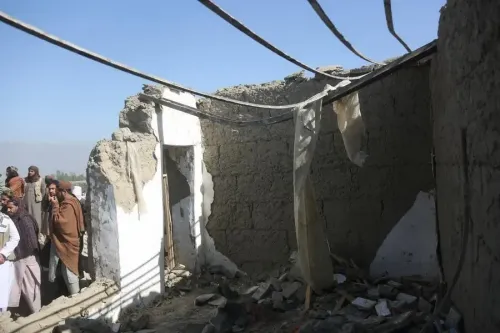
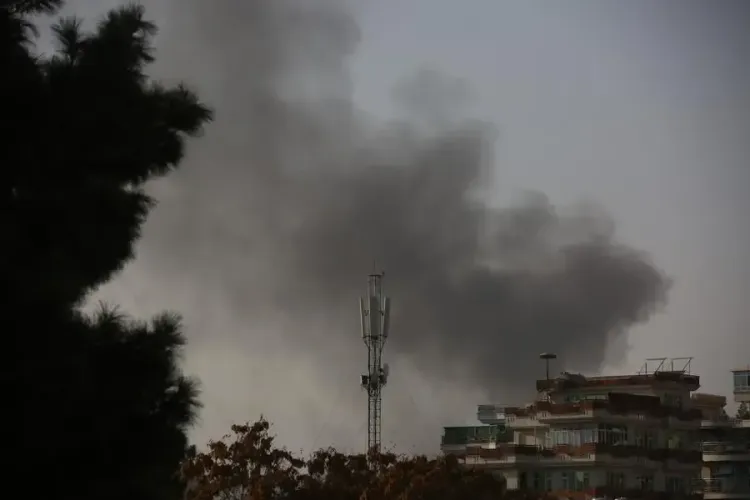
Pakistan's military carried out fresh airstrikes on Afghanistan's Kandahar, Paktia, and Khost provinces on Thursday, 24 September, killing four civilians, according to Taliban spokesperson Zabihullah Mujahid. The strikes mark a sharp escalation in cross-border hostilities between Islamabad and Kabul, coming just days after similar attacks on Kunar and Paktika provinces on 21 September that killed three people.
Taliban's Response and Warning
Condemning the strikes as 'indiscriminate and cowardly,' Mujahid described them as a flagrant violation of international principles and a clear act of 'aggression and crime.' In a post on X, the spokesperson issued a pointed warning to Islamabad.
'The Islamic Emirate of Afghanistan assures the people that these shameless acts of aggression and attacks by the Pakistani military regime will be met with an appropriate response through a decisive stance,' Mujahid stated, adding that Pakistan had spread claims about drones allegedly crossing from Afghan territory — which he characterised as an attempt to justify the strikes.
He further warned that such 'reckless, careless, and hostile actions' would 'undoubtedly provoke the anger of the Afghan people and have adverse consequences for the Pakistani military regime.'
Karzai Condemns Bombings, Urges Dialogue
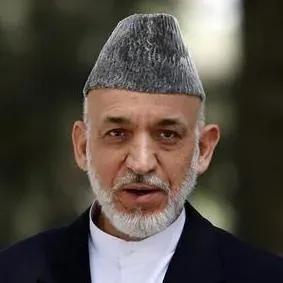
Former Afghan President Hamid Karzai also weighed in sharply, posting on X to criticise Islamabad's continued policy of aggression. 'Pakistan once again carried out bombings in Kandahar, Khost, and Paktia of our dear homeland. It seems that Islamabad does not intend to abandon its continuation of that negative policy, the fire of which has now reached its own doorstep as well,' Karzai wrote.
He called on Pakistan to choose the path of 'good neighbourliness' and to 'civilise its relations' with Afghanistan, asserting that Afghans stood 'united and resolute' against what he termed Pakistani aggression.
Pattern of Escalation
The 24 September strikes are the second such cross-border military action within the week. The 21 September airstrikes on Kunar and Paktika had already drawn sharp condemnation from the Taliban, with Mujahid warning then of an 'appropriate response.' Pakistan has reportedly framed its operations as targeting militant groups it accuses of using Afghan soil to launch attacks inside Pakistani territory — a claim the Taliban has consistently denied.
Notably, Pakistan-Afghanistan relations have deteriorated significantly in recent years, with Islamabad frequently accusing the Taliban-led government of providing sanctuary to the Tehreek-e-Taliban Pakistan (TTP). The Taliban, in turn, has rejected what it calls interference in Afghanistan's internal affairs.
Regional and Humanitarian Implications
The cumulative toll from this week's airstrikes now stands at at least seven civilians killed across five Afghan provinces. Humanitarian organisations have raised concerns about civilian safety in border regions already strained by poverty and displacement. The strikes also test the Taliban administration's posture — caught between asserting sovereignty and managing a fragile security environment along a contested frontier.
With both sides issuing escalatory statements and no diplomatic channel publicly engaged, the coming days will be critical in determining whether the situation moves toward dialogue or further military confrontation.
Point of View
But it does little to address the fundamental contradiction: military strikes on a sovereign neighbour's territory deepen the very instability that produces militant blowback. Karzai's intervention is significant not because he holds power, but because it signals that Afghan criticism of Pakistan now crosses factional lines. The Taliban's repeated warnings of an 'appropriate response' should not be read as rhetoric alone; they face domestic pressure to act. A military exchange between a nuclear-armed state and an internationally isolated but militarily capable non-state government would have unpredictable regional consequences.
NationPress
24 Sept 2026
Frequently Asked Questions
Why did Pakistan carry out airstrikes in Afghanistan on 24 September?
Pakistan's military struck Kandahar, Paktia, and Khost provinces on 24 September, killing four civilians, according to Taliban spokesperson Zabihullah Mujahid. Pakistan has reportedly claimed its operations target militant groups it accuses of using Afghan territory to launch attacks inside Pakistan — a justification the Taliban has flatly rejected.
How has the Taliban responded to the Pakistan airstrikes?
Taliban spokesperson Zabihullah Mujahid condemned the strikes as 'indiscriminate, cowardly' acts of 'aggression and crime' and warned that the Pakistani military regime would face 'an appropriate response through a decisive stance.' The Taliban also dismissed Pakistan's drone-incursion claims as a pretext.
What did former Afghan President Hamid Karzai say about the attacks?
Former Afghan President Hamid Karzai posted on X condemning the bombings in Kandahar, Khost, and Paktia, warning that Pakistan's 'negative policy' was now reaching its own doorstep. He called on Pakistan to 'choose the path of good neighbourliness' and normalise relations with Afghanistan.
Is this the first such Pakistani airstrike on Afghanistan recently?
No. Pakistan also carried out airstrikes on Afghanistan's Kunar and Paktika provinces on 21 September, killing three people. The two incidents together bring the civilian death toll to at least seven within a single week.
What is the broader context of Pakistan-Afghanistan tensions?
Relations between Islamabad and Kabul have sharply deteriorated since the Taliban returned to power in 2021. Pakistan accuses the Taliban of providing sanctuary to the Tehreek-e-Taliban Pakistan (TTP), which has carried out deadly attacks inside Pakistan. The Taliban denies these allegations and frames Pakistani military actions as violations of Afghan sovereignty.