CM Samrat Choudhary Launches Sahyog Shivir for Bihar
Synopsis
Bihar CM Samrat Choudhary broadcast live from the Sahyog Shivir on 13 October 2026, a state-level camp aimed at resolving public grievances on the spot — combining direct administrative outreach with real-time digital visibility for Bihar's 130 million residents.
Key Takeaways
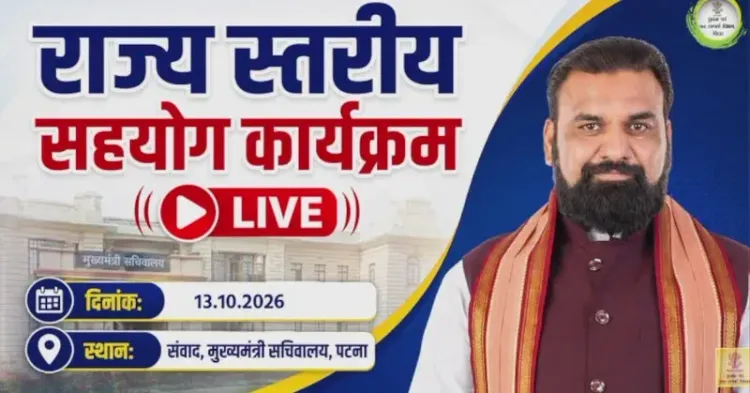
Bihar CM Samrat Choudhary participated in and broadcast the Rajya Stareey Sahyog Shivir live on 13 October 2026 .
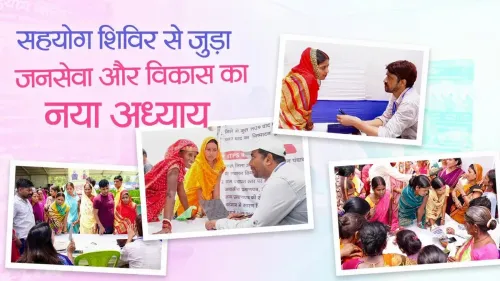
The Sahyog Shivir is a state-level cooperation camp focused on resolving public grievances through direct official outreach.
Citizens can raise complaints on issues such as land disputes, pension delays, and welfare scheme access and receive on-the-spot responses.
The live-streaming format extends the camp's reach beyond its physical venue to citizens across Bihar.
Follow-up on grievance volumes and a potential expansion to district or block levels will determine the programme's real impact.
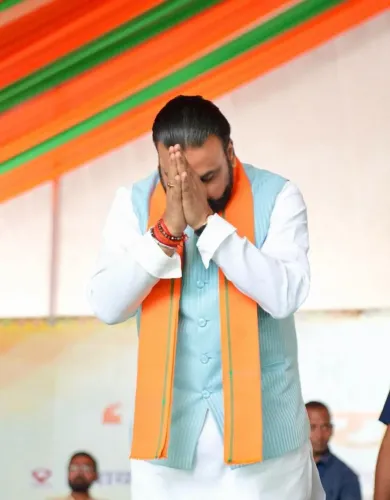
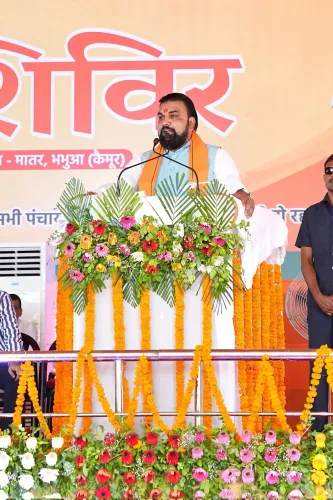
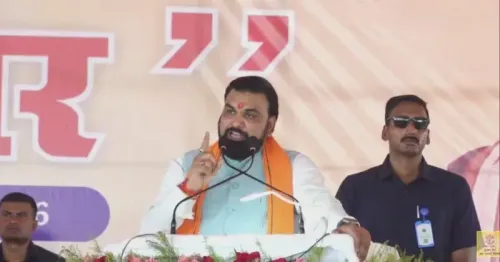
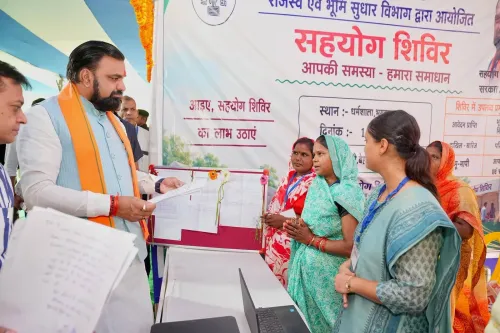
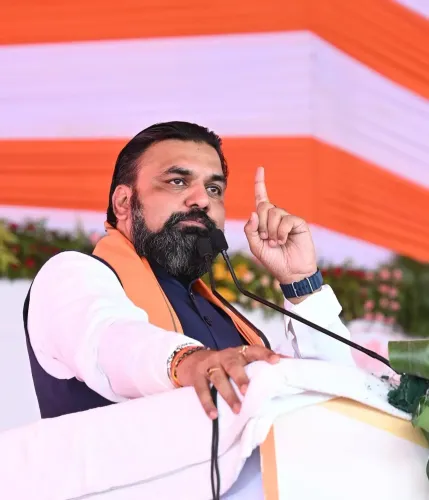
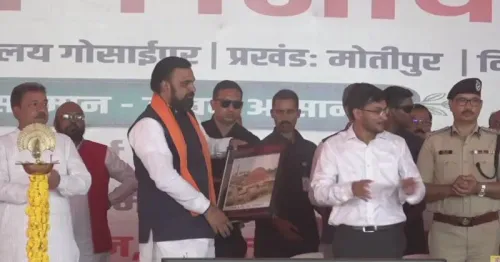
When a government decides to meet citizens where they are — not in corridors of power, but in open camps — it signals a deliberate shift in how administration talks to the people it serves. Bihar Chief Minister Samrat Choudhary on Tuesday, 13 October 2026, went live from the Rajya Stareey Sahyog Shivir — a state-level cooperation camp designed to bring direct, on-the-spot resolution of public grievances to ordinary Bihar residents.
Sharing the broadcast on X, the Chief Minister posted: 'राज्य स्तरीय सहयोग कार्यक्रम के माध्यम से आमजन की समस्याओं का समाधान' — ('Resolving the problems of common people through the state-level cooperation programme') — tagging it under #SahyogShivir and #सहयोग_शिविर.
What the Sahyog Shivir is built to do
The Sahyog Shivir is a state-level outreach event that brings senior officials and government representatives directly to citizens, cutting through the bureaucratic layers that typically slow down grievance redressal. At these camps, residents can flag complaints — ranging from land disputes and pension delays to welfare scheme access — and receive responses from officials on the spot, rather than waiting weeks for file movement.
The format is not unique to Bihar. Across Indian states, similar camps have become a staple of administrative outreach, particularly in rural and semi-urban constituencies where digital access or procedural literacy can make formal complaint portals difficult to navigate. The live broadcast format adopted here extends the camp's reach beyond its physical venue.
Routine governance or something more deliberate?
Grievance camps of this kind are a standard tool in the state administrator's kit. But the decision to stream the event live — and for the Chief Minister himself to amplify it publicly — adds a layer of political visibility to what might otherwise be a routine administrative exercise. It positions Bihar's government as actively present and accessible, a message that lands differently across a state of roughly 130 million people with historically uneven access to public services.
Watch for follow-up reports on the volume and nature of grievances logged, and whether the programme expands to district or block levels in the coming weeks. That scale-up, if it comes, will be the real test of the Sahyog Shivir's ambitions.
Point of View
But pairing them with live social media broadcasts signals a newer playbook — one where visibility and accountability are engineered simultaneously. For Bihar, a state with persistent service-delivery gaps, the Sahyog Shivir format tests whether direct outreach can compress the distance between administration and citizen. Chief Minister Choudhary's personal amplification of the event reflects the BJP's broader strategy of projecting leaders as hands-on administrators rather than distant executives. Whether the programme produces measurable grievance resolution or remains primarily a communications exercise will hinge on the institutional follow-through that follows the broadcast.
NationPress
13 Oct 2026
Frequently Asked Questions
What is the Sahyog Shivir in Bihar?
The Sahyog Shivir is a state-level cooperation camp organised by the Bihar government where officials directly address public grievances on the spot, covering issues such as land disputes, pension delays, and welfare scheme access.
Who organised the Sahyog Shivir on 13 October 2026?
Bihar Chief Minister Samrat Choudhary led and broadcast the Sahyog Shivir on 13 October 2026, amplifying the event live on X.
How does the Sahyog Shivir help Bihar residents?
Residents can raise complaints directly with officials at the camp without navigating formal digital portals or lengthy file processes, enabling faster resolution of day-to-day government service problems.
Is the Sahyog Shivir only held at the state level?
The current event is a state-level camp, but follow-up expansion to district and block levels has been flagged as something to watch in coming weeks.
What is the significance of live-streaming the Sahyog Shivir?
Broadcasting the camp live extends its reach across Bihar beyond those physically present, while also adding a layer of public accountability to the grievance redressal process.