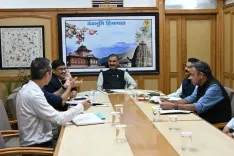
CM Samrat Choudhary Launches State-Level Cooperation Programme in Bihar
Synopsis
Bihar Chief Minister Samrat Choudhary on 14 July 2026 inaugurated the State-Level Cooperation Programme at the Chief Minister's Secretariat in Patna, marking a formal push to strengthen cooperative institutions serving the state's farmers and rural communities.
Key Takeaways
Bihar CM Samrat Choudhary inaugurated the State-Level Cooperation Programme on 14 July 2026 at the Chief Minister's Secretariat in Patna .
The programme is formally titled Rajya Stareey Sahyog Karyakram and was launched at a dedicated hall within the secretariat complex.
Bihar's farmers and cooperative societies are the primary target stakeholders of the initiative.
The launch follows the Union government's creation of a dedicated Ministry of Cooperation in 2021 , which spurred state-level cooperative expansion across India.
District-level rollout plans, budgetary allocations, and participation targets are yet to be publicly detailed.
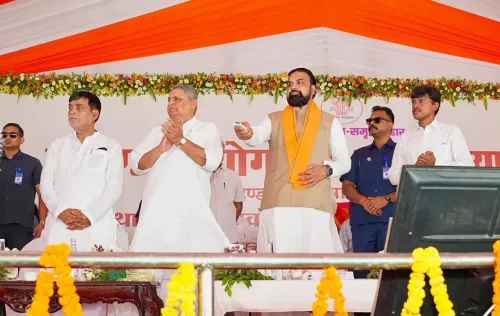
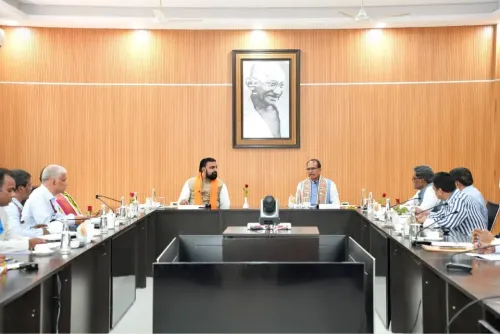
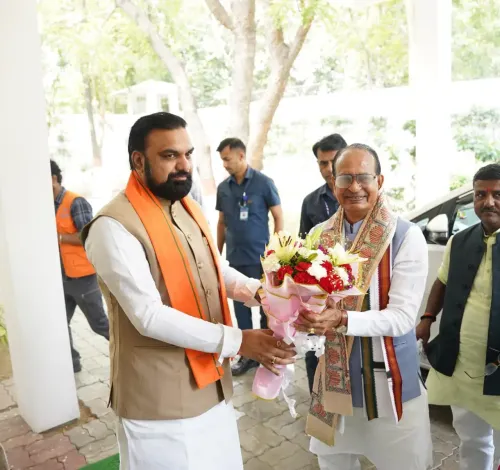
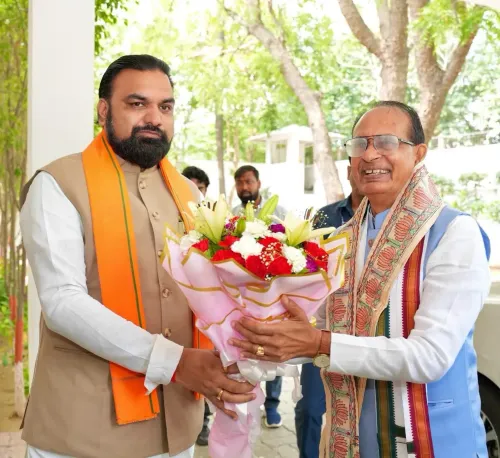
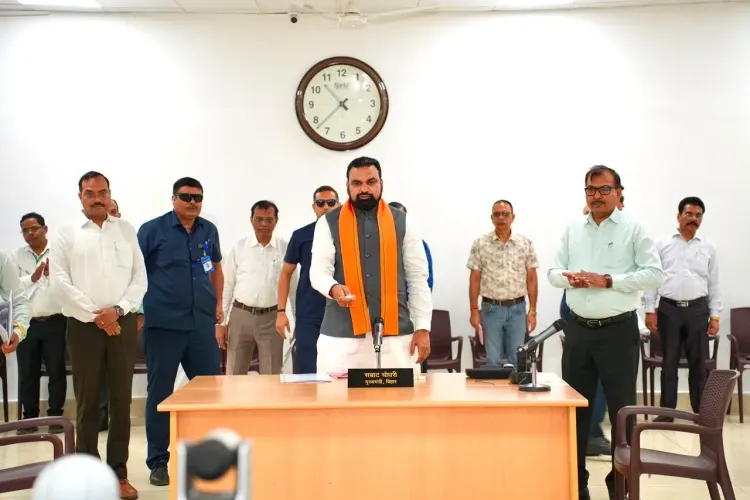
The Chief Minister's Office of Bihar announced on Tuesday, 14 July 2026 that Chief Minister Samrat Choudhary inaugurated the Rajya Stareey Sahyog Karyakram (State-Level Cooperation Programme) at the dedicated cooperation hall within the Chief Minister's Secretariat in Patna.
Context
The official post from the Chief Minister's Office states that Samrat Choudhary launched the programme at the Rajya Stareey Sahyog Karyakram Hall — the State-Level Cooperation Programme Hall — located inside the Chief Minister's Secretariat. The event marks a formal state-level push to strengthen cooperative institutions across Bihar.
The post's Hindi text reads: 'Rajya stareey sahyog karyakram ka shubharambh kiya' — meaning 'inaugurated the state-level cooperation programme' — signalling that this is an official launch rather than a policy announcement still in planning stages.
Policy Backdrop
Bihar's move aligns with a broader national trend that gained momentum after the Union government established a dedicated Ministry of Cooperation in 2021, the first such ministry at the central level. The ministry was created to deepen cooperative federalism and revitalise the cooperative sector as a vehicle for rural economic development.
Indian states have since expanded cooperative-sector initiatives aimed at improving rural credit access, agricultural input supply chains, and marketing infrastructure for farmers and rural producers. Bihar, with a predominantly agrarian economy, stands to benefit significantly from strengthened cooperative networks that can reach districts and blocks underserved by formal banking and supply systems.
Stakeholders and Impact
Bihar's farmers and existing cooperative societies are the primary stakeholders of this programme. Cooperatives in the state have historically played a role in dairy, sugar, and credit sectors, and a state-level programme of this nature is expected to provide an institutional framework to coordinate, fund, and scale their activities.
Rural communities across Bihar's 38 districts could see downstream benefits if the programme translates into expanded credit facilities, better procurement prices for produce, and improved access to agricultural inputs through cooperative channels. The inauguration at the secretariat-level hall also signals high administrative priority for the initiative.
What's Next
Observers will watch for the announcement of district-level rollout schedules, budgetary allocations, and participation targets for the new programme. The Bihar government is expected to detail implementation timelines and the specific cooperative categories — credit, agricultural marketing, dairy, or others — that will be prioritised under the initiative.
The programme's success will depend on effective coordination between state cooperative departments, district administrations, and existing cooperative societies. A structured outreach plan reaching Bihar's large rural population will be critical to translating the secretariat-level launch into ground-level impact.
Point of View
Particularly after the Union government elevated cooperation to a full ministry in 2021. For Bihar, a state where agriculture employs a large share of the workforce, a structured cooperative push could serve both developmental and electoral purposes ahead of future state cycles. The choice of the Chief Minister's Secretariat as the venue signals that this initiative carries top-level administrative ownership rather than being delegated to a line department. Whether the programme delivers tangible outcomes will hinge on the specifics of budgetary commitment and district-level execution capacity.
NationPress
14 Jul 2026
Frequently Asked Questions
What is the Bihar State-Level Cooperation Programme?
The State-Level Cooperation Programme, or Rajya Stareey Sahyog Karyakram, is a Bihar government initiative inaugurated by Chief Minister Samrat Choudhary on 14 July 2026 to strengthen cooperative institutions serving the state's farmers and rural communities.
Who launched the Bihar cooperation programme?
Bihar Chief Minister Samrat Choudhary launched the programme at the State-Level Cooperation Programme Hall inside the Chief Minister's Secretariat in Patna.
How does Bihar's cooperation programme relate to the central government's cooperative policy?
Bihar's initiative aligns with the Union government's 2021 creation of a dedicated Ministry of Cooperation, which prompted Indian states to expand cooperative-sector programmes focused on rural credit, input supply, and marketing infrastructure.
Who benefits from the Bihar State-Level Cooperation Programme?
Bihar's farmers and existing cooperative societies are the primary beneficiaries, with potential downstream impact on rural communities across the state's 38 districts through better credit access and agricultural services.
What should we watch for after Bihar's cooperation programme launch?
Key developments to follow include district-level rollout schedules, budgetary allocations, participation targets, and which cooperative categories — such as credit, dairy, or agricultural marketing — will be prioritised.