CM Samrat Choudhary Marks International Day of Cooperatives
Synopsis
Bihar Chief Minister Samrat Choudhary marked International Day of Cooperatives on 4 July 2026, calling the cooperative movement a cornerstone of social and economic development and urging citizens to join efforts for a self-reliant, developed Bihar under the Viksit Bharat vision.
Key Takeaways
Bihar CM Samrat Choudhary extended greetings on International Day of Cooperatives on 4 July 2026 .
He described cooperatives as the foundation of 'social prosperity, economic empowerment, and collective development'.
He linked the cooperative push to the Viksit Bharat goal of a developed India by 2047 .
The Ministry of Cooperation was established by the central government in July 2021 to provide dedicated policy support to the sector.
Small farmers and rural cooperative societies are the primary beneficiaries of cooperative expansion in Bihar .
The statement reinforces a broader pattern of state governments aligning local cooperative policy with national frameworks.
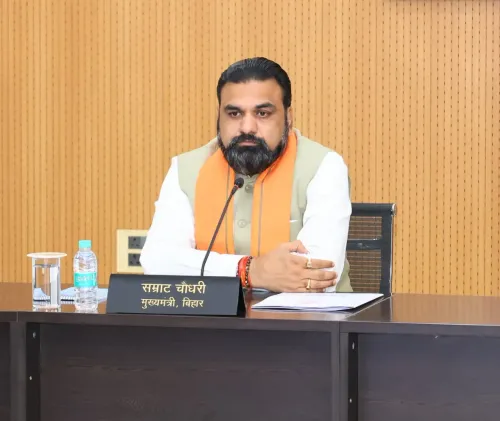
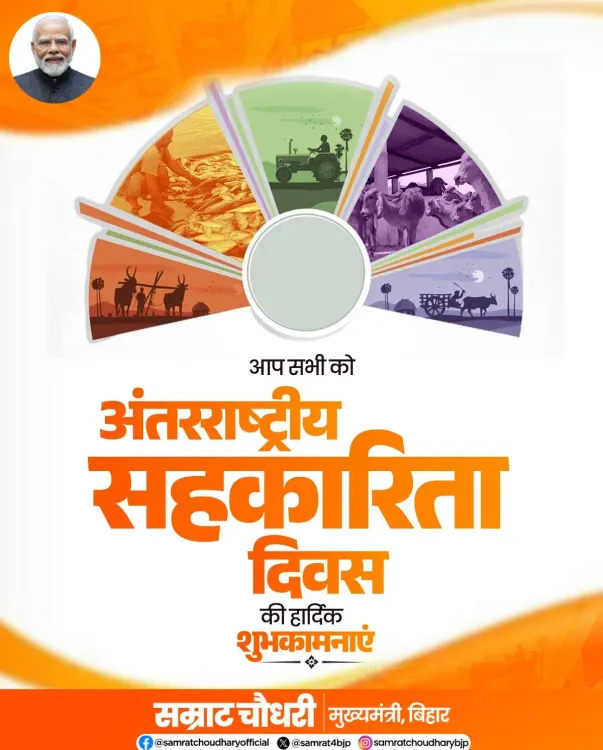
Bihar Chief Minister Samrat Choudhary on Saturday, 4 July 2026, extended greetings on the occasion of International Day of Cooperatives, calling the cooperative movement the cornerstone of social prosperity, economic empowerment, and collective development — and urging citizens to join in building a self-reliant and developed Bihar aligned with the national Viksit Bharat vision.
Context
Posting in Hindi on the occasion, CM Choudhary wrote: 'सहकारिता सामाजिक समृद्धि, आर्थिक सशक्तिकरण और सामूहिक विकास की आधारशिला है' ['Cooperation is the foundation of social prosperity, economic empowerment, and collective development']. He called on people to strengthen the spirit of cooperation and participate in building an 'आत्मनिर्भर, समृद्ध एवं विकसित बिहार' ['self-reliant, prosperous, and developed Bihar'] while infusing fresh energy into the resolve for a developed India.
The International Day of Cooperatives is observed annually on the first Saturday of July under the auspices of the United Nations, recognising the role of cooperative enterprises in advancing sustainable development and inclusive growth worldwide.
Policy Backdrop
The post aligns with a sustained policy push at the central level: the Government of India established a dedicated Ministry of Cooperation in July 2021 to provide focused support to the cooperative sector — the first time a standalone ministry was created for this purpose. The move signalled a renewed national commitment to scaling cooperative structures beyond their traditional base in agriculture, dairy, and credit.
Prime Minister Narendra Modi had earlier, in May 2020, announced the Atmanirbhar Bharat initiative, which explicitly positioned cooperatives as vehicles for economic self-reliance at the grassroots level. The Viksit Bharat framework — India's national vision to transform into a developed economy by 2047 — has since encouraged state governments to align local cooperative policies with these central targets, creating a pattern of vertical policy coordination between New Delhi and state capitals.
Stakeholders and Impact
Bihar, an eastern Indian state with a predominantly agrarian economy, stands among the states with the most to gain from a robust cooperative ecosystem. Small farmers and rural cooperative societies form the primary stakeholder base, with cooperatives offering access to credit, inputs, and markets that individual smallholders cannot easily secure on their own.
India maintains one of the world's largest cooperative movements, and state-level observances such as this signal to local cooperative bodies that political leadership remains committed to expanding their role. For Bihar, where agricultural livelihoods remain central, strengthening cooperatives carries direct implications for rural income, food security, and financial inclusion.
What's Next
Observers will watch for concrete state-level follow-through — including any new cooperative strengthening measures or scheme announcements by the Bihar government in the months ahead. At the national level, the Ministry of Cooperation has been progressively rolling out frameworks to modernise primary agricultural credit societies and expand the cooperative footprint across sectors. Whether CM Choudhary's statement translates into specific Bihar-level policy action will be the measure of its significance beyond the ceremonial occasion.
Point of View
But it carries political weight in the context of the BJP's sustained effort to brand cooperatives as instruments of grassroots economic nationalism under the Atmanirbhar Bharat and Viksit Bharat umbrellas. By invoking both self-reliant Bihar and developed India in a single message, the Chief Minister is vertically aligning state ambition with central government messaging — a deliberate signalling exercise to cooperative bodies, farmers, and rural constituents ahead of any potential policy announcements. The creation of the Ministry of Cooperation in 2021 gave this space renewed political salience, and state-level leaders have since used cooperative occasions to reinforce their developmental credentials. Whether Bihar follows up with substantive policy action will determine if this remains symbolic or becomes programmatic.
NationPress
4 Jul 2026
Frequently Asked Questions
What is International Day of Cooperatives?
International Day of Cooperatives is a United Nations-observed annual event held on the first Saturday of July to recognise the contribution of cooperative enterprises to sustainable development and inclusive economic growth.
Why did Bihar CM Samrat Choudhary post about cooperatives?
Bihar CM Samrat Choudhary posted on 4 July 2026 to mark International Day of Cooperatives, calling on citizens to strengthen the cooperative spirit and contribute to building a self-reliant and developed Bihar aligned with the Viksit Bharat national vision.
What is the Ministry of Cooperation in India?
The Ministry of Cooperation is a central government ministry established in July 2021 to provide focused policy and administrative support to India's cooperative sector, which spans agriculture, dairy, credit, and other areas.
What is Viksit Bharat and how does it relate to cooperatives?
Viksit Bharat is India's national vision to become a developed economy by 2047. Cooperatives are positioned as grassroots vehicles for inclusive growth under this framework, with state governments encouraged to align local cooperative policies with central targets.
How important is the cooperative sector to Bihar?
Bihar has a predominantly agrarian economy where small farmers form the core of the rural workforce. Cooperatives provide these farmers with access to credit, inputs, and markets, making the cooperative sector a key lever for rural income growth and financial inclusion in the state.