CM Samrat Choudhary pays tribute to Jyotiba Phule
Synopsis
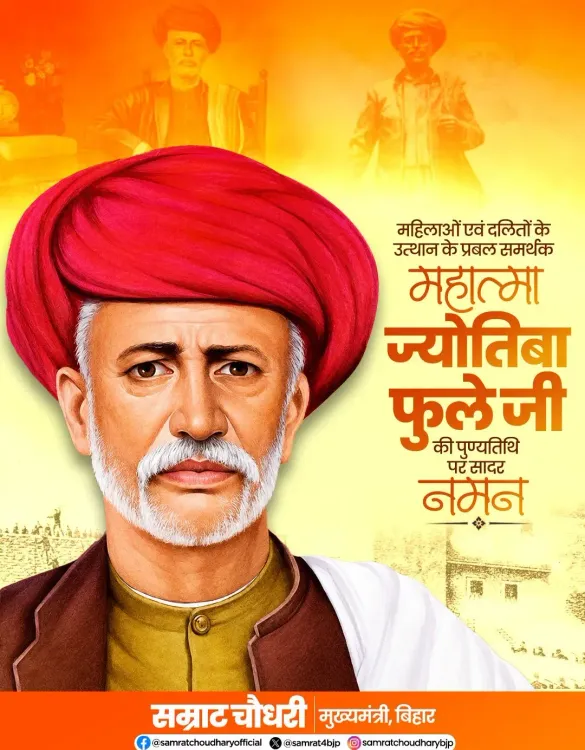
Bihar Chief Minister Samrat Choudhary paid tribute to Mahatma Jyotiba Phule on the reformer's death anniversary, recalling his lifelong fight for women's education, social equality and the rights of deprived classes. The 28 November 2026 message said Phule's struggle for education, equality and justice would always inspire.
Key Takeaways
Bihar Chief Minister Samrat Choudhary paid tribute to Mahatma Jyotiba Phule on 28 November 2026, the reformer's death anniversary.
The post praised Phule's lifelong struggle for women's education, social equality and the rights of deprived classes.
Choudhary said Phule's fight to establish education, equality and justice would always inspire.
Phule founded the Satyashodhak Samaj in 1873 and opposed caste discrimination while advocating women's education.
Leaders across parties routinely mark 28 November with tributes linking contemporary welfare talk to that 19th-century reform movement.
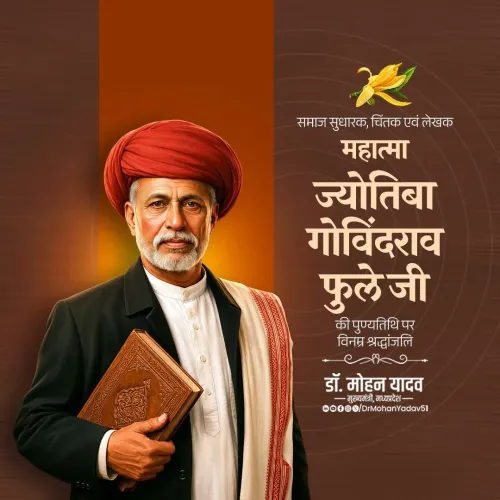
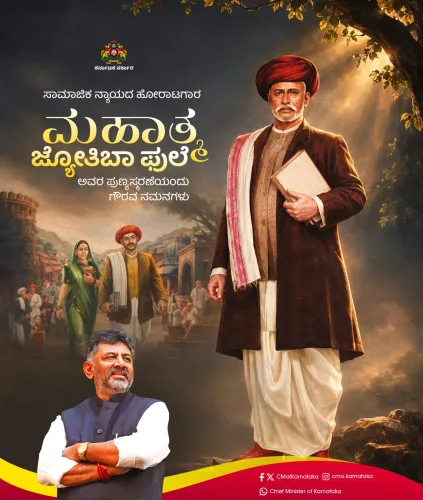
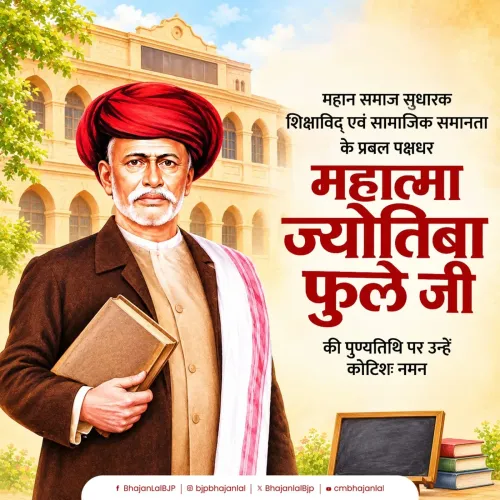
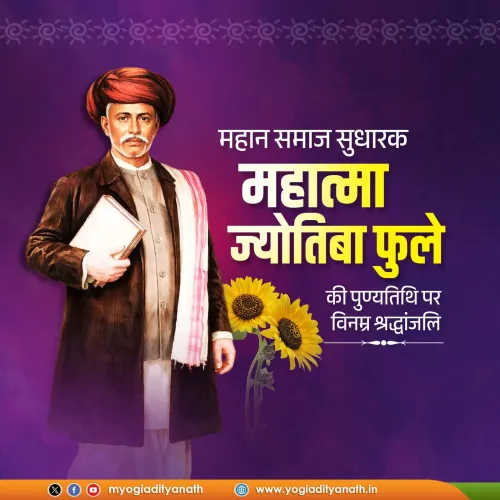
On the death anniversary of Mahatma Jyotiba Phule, Bihar Chief Minister Samrat Choudhary on Saturday, 28 November 2026, offered a humble tribute to the 19th-century social reformer who spent his life fighting for women's education, social equality and the rights of deprived classes. The X post placed Phule's work on education, equality and justice at the centre of the day's political memory.
Choudhary described Phule as a great social reformer who struggled lifelong for women's education, social equality and the rights of the deprived, and offered him a vinamra shraddhanjali (humble tribute) on his punyatithi. He added that Phule's struggle to establish education, equality and justice in society sadaiv hum sabhi ko prerit karta rahega (will always inspire us all).
Satyashodhak Samaj and the fight against caste barriers
Mahatma Jyotiba Phule is remembered as a 19th-century reformer who advocated women's education and opposed caste discrimination. In 1873 he founded the Satyashodhak Samaj, a society built to organise those excluded from ritual privilege and to press truth-seeking over inherited rank.
The three causes named in the Bihar chief minister's message, women's schooling, social equality, and the rights of vanchit (deprived) groups, are the same causes that defined Phule's public life. Across parties, Indian political leaders mark 28 November each year with similar tributes, stitching contemporary talk of welfare to a 19th-century reform movement.
Bihar's welfare debate meets a 19th-century reformer
In Bihar, such commemorations sit inside a longer public conversation on welfare and rights for marginalized groups. Saturday's post did not unveil a new programme. It did recast education and justice as the day's governing words.
Attention will now turn to whether girls' education or social-equity work follows the tribute in the weeks ahead. The tribute keeps education, equality and justice in Bihar's political vocabulary on a day set aside for Phule. The next test is whether classrooms and social-equity work follow the words.
Point of View
A way for leaders to claim the language of education and social justice without announcing new law. Samrat Choudhary's post fits that pattern, tying Bihar's welfare conversation to a 19th-century anti-caste reformer who founded the Satyashodhak Samaj in 1873. The political value lies in the vocabulary: women's education and the rights of the deprived remain live issues in state politics. What will matter next is whether commemorative language is followed by concrete work on girls' schooling and social equity.
NationPress
28 Nov 2026
Frequently Asked Questions
When is Mahatma Jyotiba Phule's death anniversary?
Mahatma Jyotiba Phule's death anniversary, or punyatithi, is observed on 28 November each year. Political leaders across India issue tributes on this date to recall his work on education and social equality.
Who was Mahatma Jyotiba Phule?
Mahatma Jyotiba Phule was a 19th-century social reformer who advocated women's education and opposed caste discrimination. In 1873 he founded the Satyashodhak Samaj.
What did Samrat Choudhary say on Jyotiba Phule punyatithi?
Bihar Chief Minister Samrat Choudhary offered a humble tribute to Phule on 28 November 2026, praising his lifelong struggle for women's education, social equality and the rights of deprived classes. He said that struggle would always inspire efforts to establish education, equality and justice.
What is the Satyashodhak Samaj?
The Satyashodhak Samaj is a social organisation founded by Jyotiba Phule in 1873. It was created to challenge caste barriers and to organise those excluded from ritual privilege around education and equality.
Why do Indian leaders remember Jyotiba Phule?
Leaders remember Phule because his campaigns for women's education and against caste discrimination still frame debates on schooling and social justice. Annual tributes on 28 November connect contemporary welfare politics with that 19th-century reform movement.