CM Samrat Choudhary Proposes World Trade Center for Patna
Synopsis
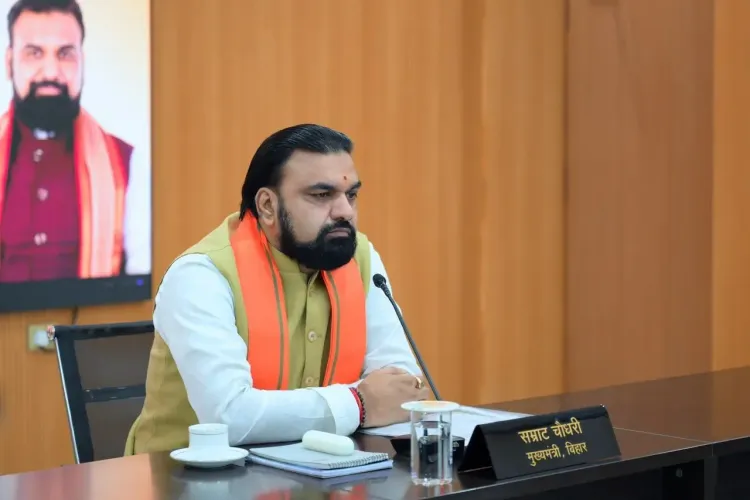
Bihar CM Samrat Choudhary chaired an urban development review at Lok Sevak Avas on August 13, 2026, where a World Trade Center proposal for Patna was tabled alongside plans for government land redevelopment guided by a Zero Waste Model and environmental standards.
Key Takeaways
Bihar CM Samrat Choudhary chaired an urban development review at the Sankalp auditorium, Lok Sevak Avas on August 13, 2026 .
A proposal to build a World Trade Center in Patna was formally presented at the meeting.
Discussions also covered redevelopment of multiple government land parcels across the city.
The development framework is anchored on modern technology, environmental standards, and a Zero Waste Model .
The initiative aligns with the national Viksit Bharat vision and builds on Patna's inclusion in the Smart Cities Mission since 2015.
Next steps include formal approval, detailed project reports, and tendering for land redevelopment parcels.
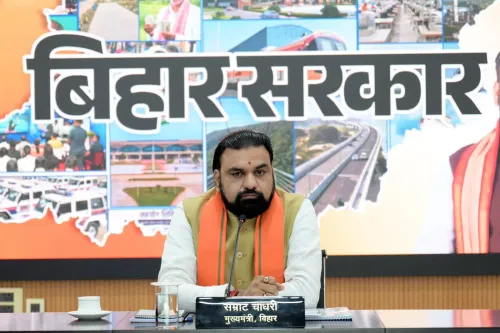
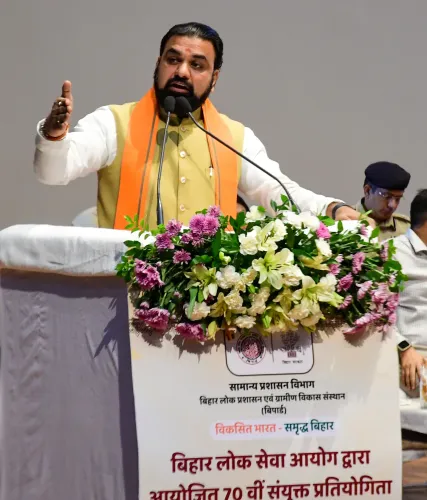
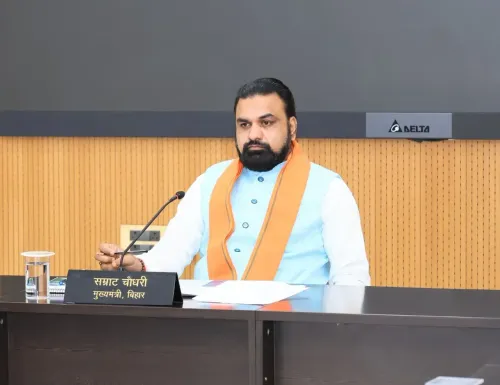
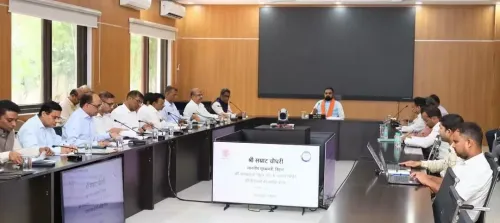
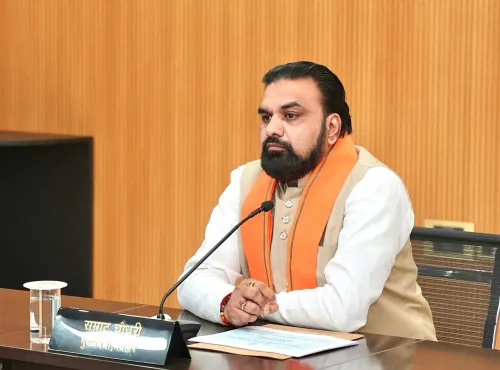
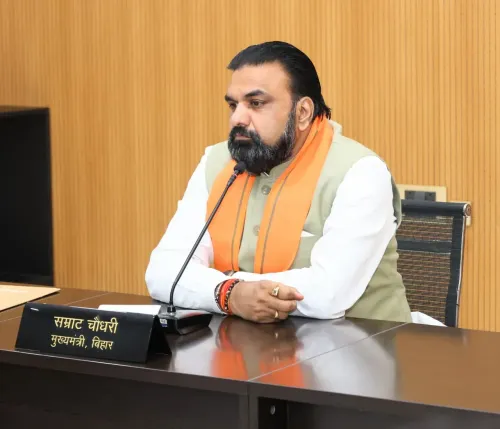
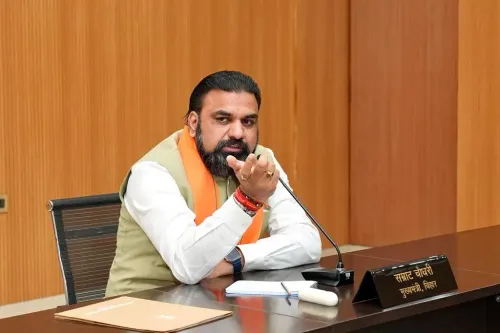
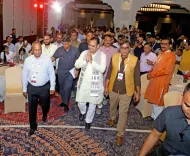
A proposal that could redraw Patna's skyline landed on the table Thursday evening — Bihar Chief Minister Samrat Choudhary chaired a comprehensive urban development review at the 'Sankalp' auditorium in Lok Sevak Avas, and the headline outcome was a formal proposal to build a World Trade Center in Patna.
What the 'Sankalp' meeting put on the table
The August 13, 2026 review meeting, convened by CM Choudhary, was framed around the 'holistic and planned development' of the state capital. Beyond the WTC proposal, discussions covered the redevelopment of various government land parcels across Patna — an effort to unlock underused public land for productive urban use.
The CM's post outlined three governing principles for the push: modern technology, environmental standards, and a 'Zero Waste Model'. The phrase signals that Patna's redevelopment is being pitched not just as a construction drive but as a sustainability-linked transformation — language that maps directly onto national urban policy frameworks tied to Viksit Bharat goals.
Why a World Trade Center matters for Bihar's capital
A World Trade Center is more than a glass tower — it is a designated hub for international commerce, trade facilitation, and business services. For Patna, a city that has historically been anchored to agricultural hinterland economics, a WTC would represent a deliberate pivot toward trade and services-led growth.
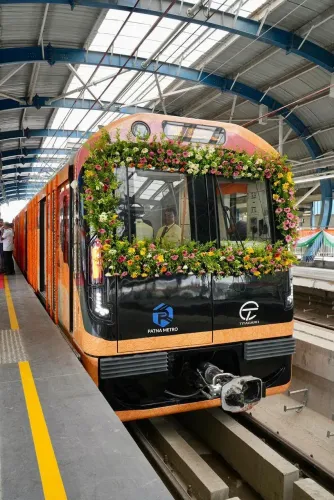
Patna was included in the Smart Cities Mission launched in 2015, which set the framework for integrated urban renewal. The WTC proposal builds on that lineage, adding a commercial-flagship dimension that earlier Smart City plans did not explicitly include. If approved and executed, it would position Patna alongside cities like Mumbai, Bengaluru, Kolkata, and Noida that already host World Trade Center facilities.
The road from proposal to ground-breaking
The proposal is exactly that — a proposal. Next steps will include formal government approval, preparation of a detailed project report, identification of the specific site among the government land parcels under review, and tendering. Each stage carries its own timeline and political economy. The government land redevelopment angle is significant: repurposing existing public plots avoids fresh land acquisition battles, which have historically slowed Bihar's infrastructure projects.
The twin agenda — a flagship WTC plus systematic government-land redevelopment — suggests the Choudhary administration is thinking about Patna's transformation in layers, not just a single landmark project. Whether that ambition survives the bureaucratic and financial gauntlet ahead is the real test.
Bihar's capital is being asked to imagine itself differently. The question is how fast the blueprints become buildings.
Point of View
Environmental standards — reflects a broader BJP state-government pattern of aligning flagship projects with central government optics. The government land redevelopment angle is the more immediately executable piece; the WTC, by contrast, is a long-cycle project where the gap between announcement and delivery will be watched closely by both investors and voters. Bihar's track record on large urban infrastructure timelines will be the unavoidable benchmark against which this proposal is measured.
NationPress
13 Aug 2026
Frequently Asked Questions
Is a World Trade Center really being built in Patna?
A formal proposal for a World Trade Center in Patna was tabled at a review meeting chaired by Bihar CM Samrat Choudhary on August 13, 2026. It remains a proposal at this stage — formal approval, a detailed project report, and tendering are still ahead.
What is the Zero Waste Model mentioned for Patna's development?
The Zero Waste Model is a sustainability framework the Bihar government has cited as a guiding principle for Patna's redevelopment, aimed at minimising waste generation through modern technology and environmental standards in urban infrastructure projects.
Which government land parcels in Patna are being redeveloped?
The August 13, 2026 meeting discussed redevelopment of 'various government land parcels' in Patna, but specific sites have not been publicly identified yet. Detailed project reports and tendering will follow formal approval.
What is Patna's connection to the Smart Cities Mission?
Patna was selected under the Smart Cities Mission launched in 2015, which set a framework for integrated urban renewal and infrastructure upgrades. The current WTC proposal and land redevelopment plans build on that earlier policy foundation.
Who is Samrat Choudhary and what is his role in Bihar?
Samrat Choudhary is the Chief Minister of Bihar and a senior BJP leader. He has been directing urban development reviews and infrastructure initiatives aimed at transforming Patna into a modern, developed city.