CM Samrat Choudhary Reviews Education, Skill and Farm Depts
Synopsis
Bihar Chief Minister Samrat Choudhary chaired review meetings on 23 June 2026 at Lok Seva Awas, Patna, covering technical education quality, employment-oriented skill training aligned to industry needs, and agricultural modernisation to raise farmer incomes — reaffirming his government's focus on education, skill, and agriculture as pillars of Bihar's development.
Key Takeaways
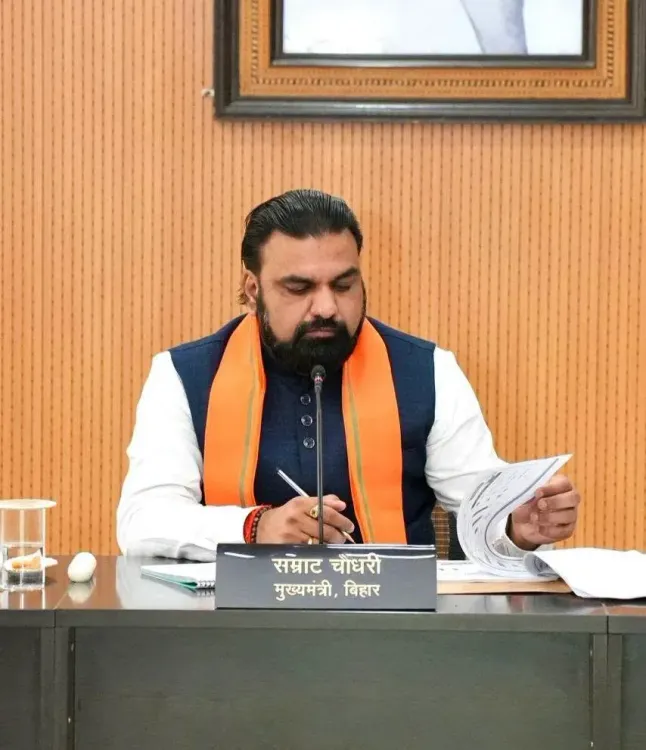
Samrat Choudhary chaired review meetings on 23 June 2026 at Lok Seva Awas, Patna .
Three departments were reviewed: Science, Technology and Technical Education , Skill Development , and Agriculture .
Discussions covered improving quality of technical and higher education and linking skill training to industry requirements.
Agricultural modernisation, productivity growth, and raising farmer incomes were key themes in the agriculture review.
The CM stated a resolve to build a 'self-reliant, prosperous and developed Bihar' on the foundation of education, skill, and agriculture.
The reviews align with Bihar Skill Development Mission goals and the national Skill India Mission framework launched in 2015 .
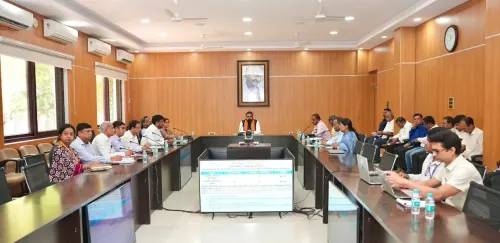
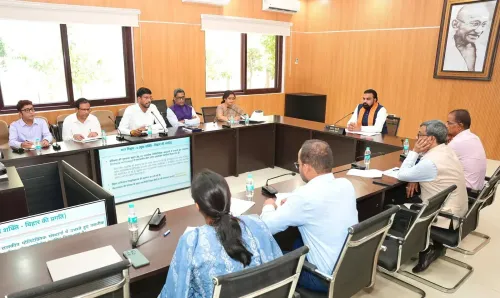
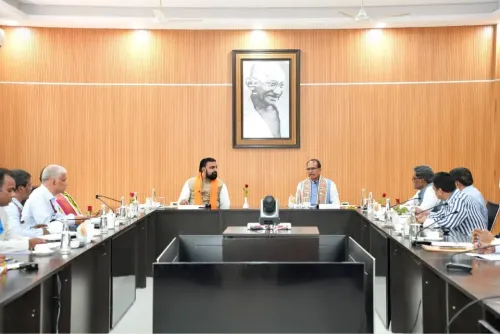
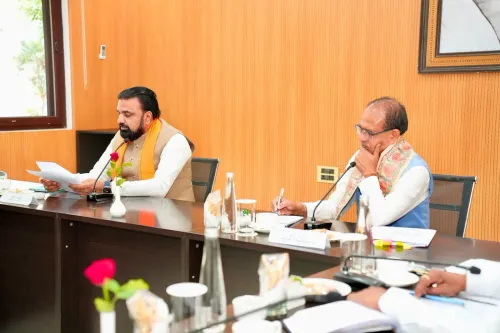
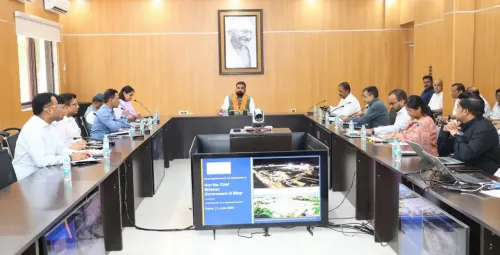
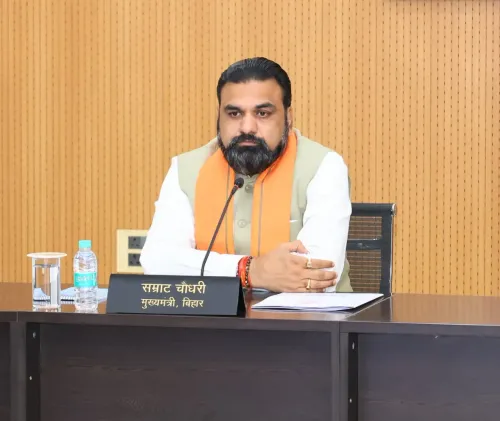
Bihar Chief Minister Samrat Choudhary on Tuesday, 23 June 2026 chaired back-to-back departmental review meetings at Lok Seva Awas, Patna, covering the Science, Technology and Technical Education Department, the Skill Development Department, and the Agriculture Department.
What the CM Said
Posting on X after the sessions, Choudhary wrote: 'लोक सेवक आवास, पटना में विज्ञान प्रावैधिकी एवं तकनीकी शिक्षा विभाग, कौशल विकास विभाग तथा कृषि विभाग से संबंधित समीक्षात्मक बैठकों में भाग लिया।' ['Participated in review meetings related to the Science, Technology and Technical Education Department, Skill Development Department, and Agriculture Department at Lok Seva Awas, Patna.']. He added that the sessions covered a wide range of subjects including improving the quality of technical and higher education, providing employment-oriented training to youth, strengthening skill development programmes in line with industry requirements, and expanding modern agricultural technologies to raise farm productivity and increase farmers' incomes.
The Chief Minister concluded with a statement of resolve: 'हमारा संकल्प है कि शिक्षा, कौशल और कृषि के सशक्त आधार पर आत्मनिर्भर, समृद्ध एवं विकसित बिहार का निर्माण किया जाए।' ['Our resolve is to build a self-reliant, prosperous and developed Bihar on the strong foundation of education, skill and agriculture.']
Context
The review meetings at Lok Seva Awas — the official residence-cum-office of the Bihar Chief Minister in Patna — are part of an established administrative practice in the state. Successive Bihar governments have used sector-wise departmental reviews to monitor implementation gaps and align departmental priorities with broader development goals.
The simultaneous review of three departments — education, skilling, and agriculture — signals a coordinated push to treat human capital development and rural productivity as interconnected pillars of the state's growth agenda.
Policy Backdrop
Bihar established the Bihar Skill Development Mission in the early 2010s to address the state's large employable youth population. The mission has since operated in tandem with the National Skill India Mission, launched by the central government in 2015, which directs states to align training curricula with actual industry demand.
On the agriculture side, Bihar has been pursuing modernisation of farm practices to boost productivity in a state where a significant share of the workforce remains dependent on agriculture. Expanding access to modern technology at the farm level is a recurring theme in state budget allocations and departmental planning cycles.
Stakeholders and Impact
Bihar's youth are the primary intended beneficiaries of the skill and technical education agenda, with the state aiming to make training programmes more responsive to what local and national industries actually require. Better alignment between curriculum and employer needs is expected to improve placement outcomes for graduates of government-run institutes.
Bihar's farming community stands to benefit from the agricultural technology expansion agenda discussed in the review. Raising farm productivity and farmer incomes has been a stated priority across successive state governments and remains central to rural welfare in the state.
What's Next
The outcomes of these review meetings are expected to feed into departmental action plans and, potentially, future budget provisions for the three sectors. Observers will watch for specific timelines or targets announced by the state government for new training centres, agri-technology rollouts, or reforms in technical education institutions.
The CM's public framing of education, skill, and agriculture as the 'strong foundation' for a 'self-reliant Bihar' suggests these three sectors will remain central to the state government's communication and policy priorities in the months ahead.
Point of View
Skilling, and agriculture is consistent with Bihar's long-standing challenge of converting a large young population and a predominantly agrarian economy into engines of growth. By anchoring the messaging in the phrase 'self-reliant Bihar,' Choudhary is also consciously echoing the 'Aatmanirbhar Bharat' vocabulary of the central BJP government, tightening the ideological alignment between state and national leadership. The real test will be whether these review sessions translate into measurable departmental targets and budget commitments.
NationPress
23 Jun 2026
Frequently Asked Questions
What departments did Bihar CM Samrat Choudhary review on 23 June 2026?
Bihar CM Samrat Choudhary reviewed the Science, Technology and Technical Education Department, the Skill Development Department, and the Agriculture Department at Lok Seva Awas, Patna on 23 June 2026.
What is Lok Seva Awas in Patna?
Lok Seva Awas is the official residence-cum-office of the Bihar Chief Minister located in Patna, where state-level administrative and departmental review meetings are regularly held.
What is the Bihar Skill Development Mission?
The Bihar Skill Development Mission is a state government initiative established in the early 2010s to provide employment-oriented training to Bihar's youth, operating in alignment with the national Skill India Mission launched in 2015.
What did Samrat Choudhary say about Bihar's development?
Samrat Choudhary stated that his government's resolve is to build a self-reliant, prosperous and developed Bihar on the strong foundation of education, skill, and agriculture.
Why is Bihar focusing on agricultural modernisation?
A significant share of Bihar's workforce depends on agriculture, and the state government has made expanding modern farming technologies and raising farmer incomes a recurring priority in departmental planning and budget cycles.