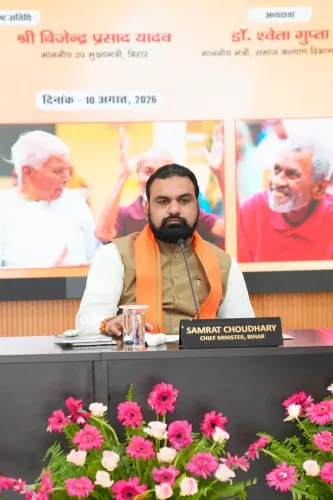
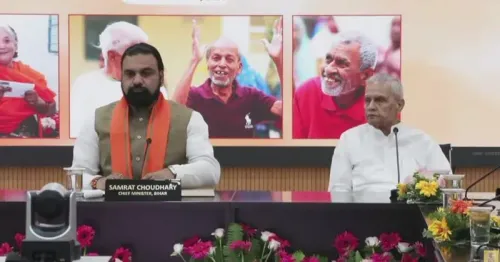
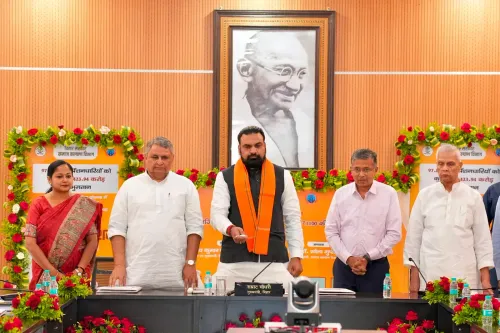
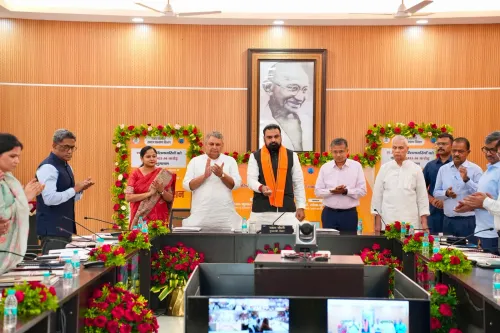
CM Samrat Choudhary transfers ₹1,237 cr pension to 1.08 cr Biharis
Synopsis
Bihar CM Samrat Choudhary disbursed ₹1,237.48 crore to 108.36 lakh elderly, disabled, and widow beneficiaries via DBT on Bihar Pension Day, 10 October 2026, with each recipient receiving ₹1,100 directly into their bank account.
Key Takeaways
₹1,237.48 crore transferred in a single day via Direct Benefit Transfer on Bihar Pension Day, 10 October 2026 .
108.36 lakh (approximately 1.08 crore) beneficiaries received the pension simultaneously.
Each beneficiary received ₹1,100 directly into their bank account.
Three categories covered: senior citizens, persons with disabilities, and widows .
Bihar observes the 10th of every month as Pension Day, making disbursement a fixed, predictable event for beneficiaries.
CM Choudhary cited the transfer as proof of the government's commitment to social security, public welfare, and inclusive development .
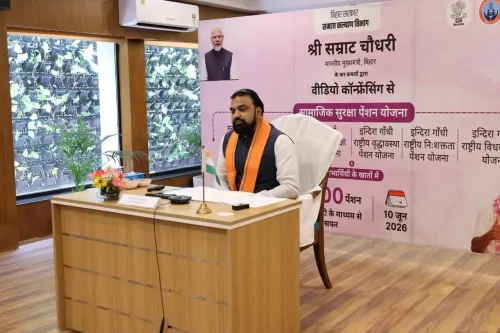
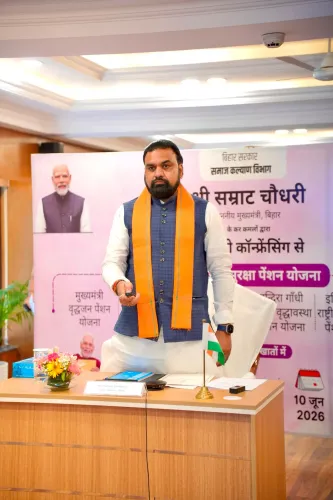
On Bihar Pension Day, 10 October 2026, a single click moved over a thousand crore rupees straight into the pockets of the state's most vulnerable — no middleman, no delay. Bihar Chief Minister Samrat Choudhary announced that ₹1,237.48 crore in pension money was transferred via Direct Benefit Transfer (DBT) to 108.36 lakh beneficiaries — elderly citizens, persons with disabilities, and widows — each receiving ₹1,100 directly into their bank accounts.
₹1,237 crore, one day, 1.08 crore accounts
The scale is worth pausing on. 1,08,36,000 people — a number larger than the entire population of many Indian states — received their monthly pension simultaneously on 10 October, the date Bihar has institutionalised as its dedicated pension disbursement day. At ₹1,100 per beneficiary, the per-person amount may appear modest, but for a widow in rural Darbhanga or an elderly farmer in Gaya with no other income, it is often the only guaranteed cash of the month. The DBT mechanism ensures the amount lands in the individual's account without routing through local intermediaries — a design specifically built to eliminate leakage.
Three categories, one safety net
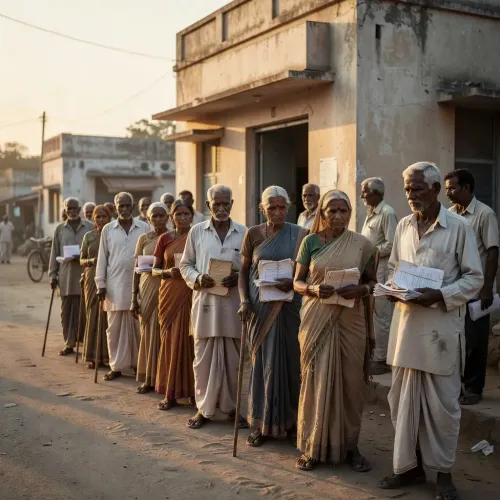
The 108.36 lakh beneficiaries span three distinct social categories: senior citizens (vriddhajan), persons with disabilities (divyangjan), and widows (vidhwa bahnen). Grouping all three under a single disbursement window and a single pension day reflects a consolidation of Bihar's social security architecture — streamlining what were historically separate administrative pipelines into one unified monthly event. CM Choudhary framed the transfer as the embodiment of the state government's core commitment: 'Samajik suraksha, jankalyan aur samaveshi vikas' — 'social security, public welfare, and inclusive development.'
DBT as the instrument of trust
Direct Benefit Transfer has been the central nervous system of India's welfare delivery reform over the past decade, and Bihar's pension architecture leans on it heavily. By crediting ₹1,237.48 crore in a single day through DBT, the state government cuts the traditional 15-to-30-day lag that older postal and panchayat-level disbursement methods carried. It also creates a digital audit trail — every transfer is timestamped, account-linked, and verifiable — giving both administrators and beneficiaries a layer of accountability that cash-in-hand systems never could.
Bihar Pension Day, marked on the 10th of every month, has become a fixed civic ritual in the state's welfare calendar. That consistency — same date, same mechanism, same guarantee — is itself a policy signal: the state's most fragile citizens can plan their lives around it.
Over a thousand crore rupees, one hundred and eight lakh lives, one October morning. The question Bihar's social sector will keep asking is whether the ₹1,100 floor rises fast enough to keep pace with the cost of living — but for today, the transfer is done and the accounts are credited.
Point of View
Rights-like entitlement for the state's most marginalised. The sheer scale of the single-day transfer (₹1,237.48 crore to 108.36 lakh people) doubles as a governance-accountability statement: the state can be measured, date by date, on whether the money moved. For CM Samrat Choudhary and the BJP ahead of the next electoral cycle, consistent, visible social-security delivery to three politically significant demographics — the elderly, the disabled, and widows — is also a deliberate ground-level trust-building exercise. The ₹1,100 per-beneficiary figure, however, will remain a pressure point as inflation erodes its real value.
NationPress
10 Oct 2026
Frequently Asked Questions
What is Bihar Pension Day?
Bihar Pension Day is observed on the 10th of every month, when the state government transfers pension amounts directly into the bank accounts of elderly citizens, persons with disabilities, and widows through the Direct Benefit Transfer mechanism.
How much pension does Bihar give to elderly, widow, and disabled beneficiaries?
As of October 2026, Bihar transfers ₹1,100 per month per beneficiary to eligible senior citizens, widows, and persons with disabilities under its social security pension scheme.
How many people received Bihar pension in October 2026?
On 10 October 2026 , a total of 108.36 lakh (approximately 1.08 crore) beneficiaries received the monthly pension in Bihar.
What is the total pension amount Bihar transferred in October 2026?
Bihar transferred a total of ₹1,237.48 crore via DBT on Bihar Pension Day, 10 October 2026.
What is DBT and why does Bihar use it for pensions?
Direct Benefit Transfer (DBT) is a government mechanism that sends welfare payments directly to a beneficiary's Aadhaar-linked bank account, eliminating middlemen, reducing leakage, and creating a digital audit trail. Bihar uses DBT for pension disbursement to ensure every rupee reaches the intended recipient on time.