CM Samrat Choudhary Inaugurates Bihar Business Conclave in Patna
Synopsis
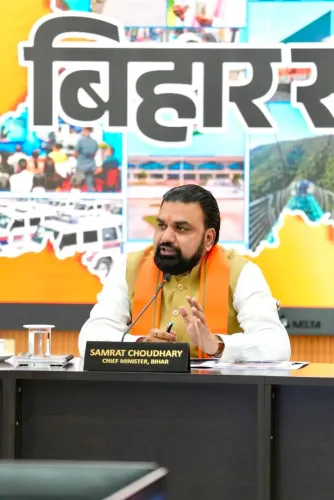
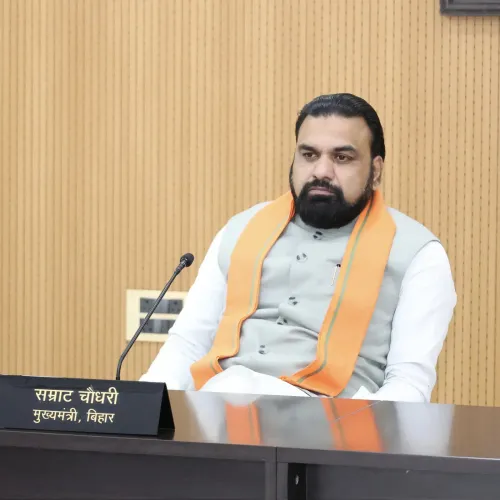
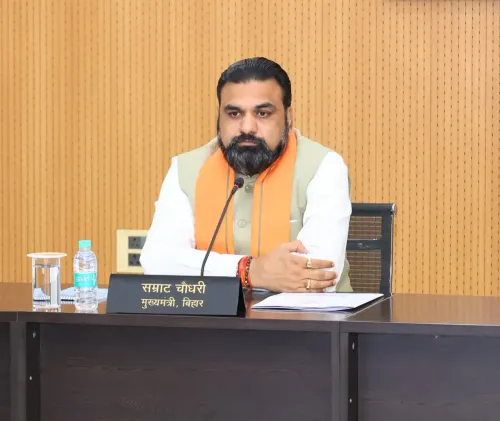
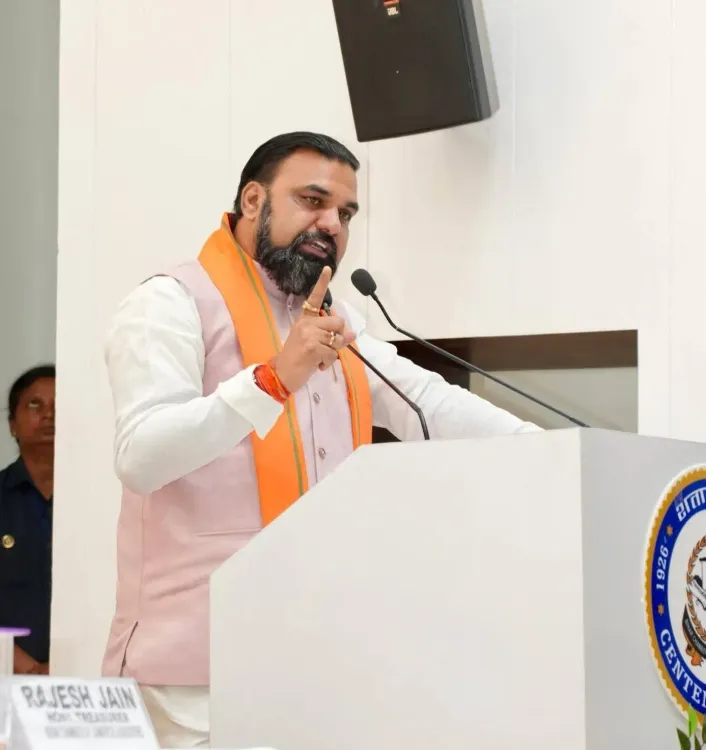
Bihar Chief Minister Samrat Choudhary inaugurated the State-Level Business Conclave at the Bihar Chamber of Commerce and Industries in Patna on 24 May 2026, engaging industry and trade representatives in discussions on investment, employment, and economic growth in the state.
Key Takeaways
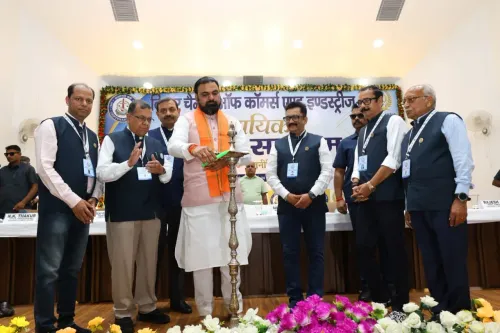
Bihar Chief Minister Samrat Choudhary inaugurated the 'Rajya-Stareey Vyavsayik Samagam' (State-Level Business Conclave) on 24 May 2026 .
The event was held at the Bihar Chamber of Commerce and Industries (BCCI) premises in Patna .
Representatives from chambers of commerce, industry associations, and trade bodies across Bihar participated in the dialogue.
Discussions centred on new opportunities in industry, trade, investment, and employment in Bihar.
The conclave builds on Bihar's sustained strategy of engaging the private sector to attract investment and reduce labour out-migration.
Follow-up actions — including potential MoUs, investment proposals, or policy revisions — are expected to emerge in the coming weeks.
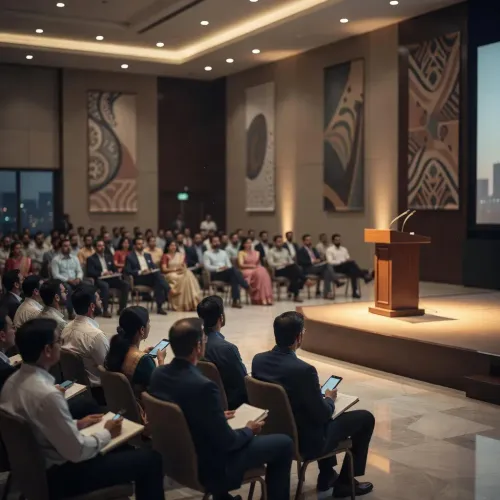
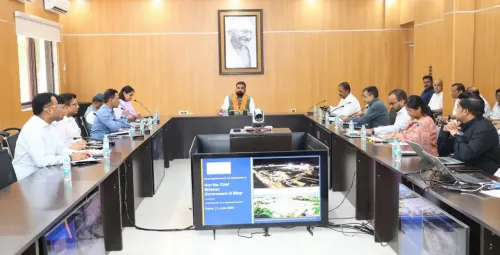
Bihar Chief Minister Samrat Choudhary on Sunday, 24 May 2026, inaugurated the 'Rajya-Stareey Vyavsayik Samagam' (State-Level Business Conclave) at the premises of the Bihar Chamber of Commerce and Industries (BCCI) in Patna. The event brought together representatives from chambers of commerce, industry associations, and trade bodies from across the state for a wide-ranging dialogue on investment and employment opportunities.
Context
Choudhary posted on X, stating that the conclave provided a platform for 'udyog, vyapar, nivesh evam rozgaar ke naye avsar' ('new opportunities in industry, trade, investment, and employment') in Bihar. He noted that representatives from various state-level chambers of commerce, industry associations, and business organisations participated in the discussions. The event was held within the BCCI premises, the apex business body in Patna that has historically served as the primary interface between the state government and the private sector.
Policy Backdrop
Bihar has pursued a sustained strategy of engaging industry bodies to attract investment and diversify its economy beyond agriculture. The state's efforts in this direction trace back at least to its 2016 Industrial Investment Promotion Policy, which sought to improve ease of doing business and incentivise manufacturing and services sectors. Successive administrations have used such conclaves as a mechanism to signal policy intent to investors and to gather ground-level feedback from trade bodies. The broader objective has been to reduce Bihar's historically high rate of labour out-migration by generating employment within the state.
The event also aligns with central government initiatives focused on the development of eastern India, with Bihar positioned as a key beneficiary of schemes targeting infrastructure, logistics, and industrial corridors in the region. State-level conclaves of this nature typically precede or accompany revisions to industrial policy or announcements in the state budget.
Stakeholders and Impact
The primary stakeholders at the conclave included representatives from Bihar's regional chambers of commerce, sector-specific industry associations, and small and medium enterprise (SME) organisations. Local entrepreneurs and prospective investors form the core constituency for any policy outcomes that may emerge from such dialogue. Job seekers and the broader workforce stand to benefit if investment commitments translate into on-ground employment generation.
For the Bihar Chamber of Commerce and Industries, hosting the state-level event reinforces its role as the nodal body for government-industry engagement. Business associations across districts are likely to use the platform to raise concerns around infrastructure gaps, taxation, and access to credit — recurring themes in Bihar's ease-of-doing-business discourse.
What's Next
Attention will now turn to whether the conclave produces concrete follow-up actions — such as memoranda of understanding, investment proposals, or revised incentive structures — in the coming weeks. Any announcements tied to the next state budget cycle or an updated industrial policy would be the clearest measure of the event's outcomes. The government's ability to translate dialogue into verifiable investment inflows and job creation will be the benchmark against which this initiative is assessed.
Point of View
Choudhary is reinforcing the chamber as the legitimate interlocutor between the state and private capital, which also serves to consolidate political goodwill among the trading and business community. The emphasis on employment generation is particularly pointed for Bihar, a state whose economy has long been characterised by surplus agricultural labour and high out-migration. Whether the conclave translates into measurable investment or remains a signalling exercise will depend on the policy follow-through visible in the next budget or industrial policy update.
NationPress
7 Oct 2026
Frequently Asked Questions
What is the Bihar State-Level Business Conclave inaugurated by CM Samrat Choudhary?
The 'Rajya-Stareey Vyavsayik Samagam' is a state-level business conclave inaugurated by Bihar Chief Minister Samrat Choudhary on 24 May 2026 at the Bihar Chamber of Commerce and Industries in Patna. It brought together representatives from chambers of commerce, industry associations, and trade bodies to discuss investment, trade, and employment opportunities in Bihar.
Where was the Bihar business conclave held?
The conclave was held at the premises of the Bihar Chamber of Commerce and Industries (BCCI) in Patna, the state capital and the apex body for government-industry engagement in Bihar.
What was discussed at the Bihar business conclave in May 2026?
Discussions at the conclave focused on new opportunities in industry, trade, investment, and employment generation in Bihar. Representatives from various state-level chambers of commerce and industry associations participated in the dialogue with Chief Minister Samrat Choudhary.
What is Bihar's industrial investment policy background?
Bihar has pursued industrial growth through periodic business conclaves and investor meets, building on its 2016 Industrial Investment Promotion Policy. The state has focused on improving ease of doing business, leveraging central schemes for eastern region development, and reducing labour out-migration by generating local employment.
What outcomes are expected from the Bihar business conclave?
Follow-up actions such as memoranda of understanding, investment proposals, or revised industrial incentives are expected to emerge in the weeks following the conclave. Any concrete policy announcements would likely appear in the next state budget cycle or an updated industrial policy.