CM Samrat Choudhary Joins PM Modi at UPSC Centenary

Synopsis
Bihar Chief Minister Samrat Choudhary shared PM Modi's live address at UPSC's centenary event on October 1, 2026 — marking exactly 100 years since India's apex civil-services body was founded in 1926.
Key Takeaways
Bihar CM Samrat Choudhary shared a live update of PM Narendra Modi attending UPSC's centenary event on October 1, 2026 .
The Union Public Service Commission was founded on October 1, 1926 , making 2026 its exact hundredth anniversary.
UPSC is constitutionally protected under Articles 315–323 and is the primary body for recruiting India's elite civil servants including the IAS and IPS .
The commission traces its origins to the Lee Commission recommendations of 1924 .
Bihar is historically one of India's top states for UPSC achievers, giving the centenary particular resonance for the state's leadership.
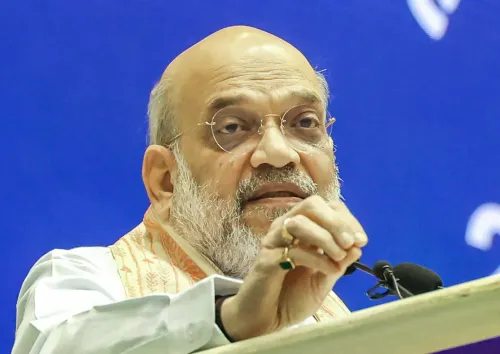
A milestone a century in the making — Bihar Chief Minister Samrat Choudhary shared a live update on Thursday, October 1, 2026, flagging Prime Minister Narendra Modi's presence at the centenary celebrations of the Union Public Service Commission (UPSC), India's apex civil services recruitment body.
UPSC turns 100: what the milestone means
The Union Public Service Commission was established in 1926, making 2026 its centennial year. For a full century, UPSC has stood as the gateway to India's elite civil services — the IAS, IPS, IFS, and dozens of other Group-A posts that form the administrative backbone of the republic. The UPSC Civil Services Examination is widely regarded as one of the most competitive examinations in the world, drawing hundreds of thousands of aspirants every year.
Prime Minister Modi's personal presence at the event signals the weight the government attaches to this landmark. A centenary event of this scale typically features addresses on the commission's history, its constitutional mandate, and the future of public administration in India.
Bihar's CM at a national occasion
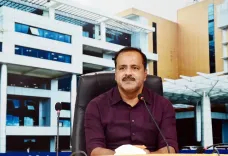
Samrat Choudhary, who leads the BJP-led NDA government in Bihar and is among the party's prominent state-level voices, shared the live broadcast link directly on his official account — drawing his followers into the national moment in real time. His engagement underlines how the UPSC centenary carries resonance well beyond New Delhi, touching every state whose administrators are recruited through the commission's rigorous process.
Bihar, historically one of the states that produces a significant number of UPSC toppers year after year, has a particularly close relationship with the examination. Aspirants from across the state travel to coaching hubs and back, chasing a shot at the civil services.
A century of selecting India's administrators
The UPSC traces its origins to the Lee Commission's recommendations of 1924, which pressed for an independent, merit-based body to staff the Indian civil services. The Public Service Commission was formally constituted on October 1, 1926 — making today its exact hundredth birthday. Post-independence, the Constitution of India gave UPSC a permanent statutory footing under Articles 315 to 323, insulating it from political interference and entrenching meritocracy at the heart of government hiring.
One hundred years on, the commission administers examinations for hundreds of thousands of candidates annually, and its processes have increasingly moved toward digitisation, grievance redressal transparency, and wider accessibility for candidates from remote regions.
A hundred years of merit-based selection — and the republic's bet that the next century will be built by the same rigour.
Point of View
The centenary is an opportunity to frame the civil services narrative on its own terms. CM Choudhary's amplification of the event from Bihar reflects a BJP strategy of tying state leadership to national milestone moments, reinforcing party-government continuity in the public mind. The UPSC's hundred-year arc — from a colonial selection mechanism to a constitutional meritocracy — also offers a ready-made story of institutional resilience that transcends partisan lines.
NationPress
1 Oct 2026
Frequently Asked Questions
When was UPSC founded?
The Union Public Service Commission was founded on October 1, 1926 , originally as the Public Service Commission, following the Lee Commission's recommendations of 1924.
What is the UPSC centenary celebration 2026?
The UPSC centenary celebration marks 100 years of India's apex civil-services recruitment body. PM Narendra Modi attended the event on October 1, 2026 , the commission's exact founding anniversary.
Why did Bihar CM Samrat Choudhary post about the UPSC event?
Bihar CM Samrat Choudhary shared a live broadcast of PM Modi's address at the UPSC centenary, highlighting the national significance of the occasion and Bihar's strong connection to the civil services examination.
What exams does UPSC conduct?
UPSC conducts the Civil Services Examination (for IAS, IPS, IFS, and other Group-A services), the Combined Defence Services Exam, the Engineering Services Exam, and several other central government recruitment tests.
What is UPSC's constitutional status in India?
UPSC is a constitutional body established under Articles 315 to 323 of the Indian Constitution, which guarantee its independence from political interference in civil-service recruitment.