UPSC centenary: PM Modi hails 100-year legacy at Bharat Mandapam
Synopsis
A century after British India constituted its first Public Service Commission, PM Modi stood at Bharat Mandapam to declare the UPSC not just an institution but a living embodiment of millions of aspirations — and then pivoted to publicly honour an Indian pilot who reportedly prevented a mid-air catastrophe. Two stories, one platform, and a reminder of how national pride still anchors India's biggest ceremonial moments.
Key Takeaways
PM Modi attended the UPSC centenary at Bharat Mandapam, New Delhi on 1 October 2026 , marking 100 years since the commission's founding on 1 October 1926 .
The PM released a commemorative coin , a postage stamp , and the book '100 Landmark Judgements — Shaping the Policies of UPSC' .
Modi recalled Netaji Subhas Chandra Bose's 1920 civil services appearance and credited Sardar Vallabhbhai Patel with building the institution's 'steel frame.' Modi publicly praised Captain Smit Machchhar of flydubai for reportedly averting a major air incident, calling it a prevention of 'a 9/11-style tragedy.' The event was the culmination of year-long centenary celebrations that began on 1 October 2025 , drawing chairs of State Public Service Commissions and senior government officials.
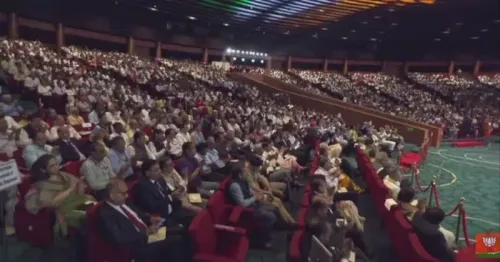
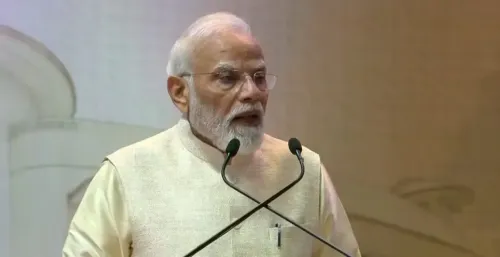
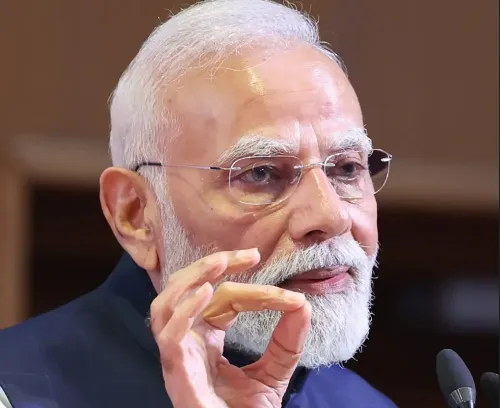
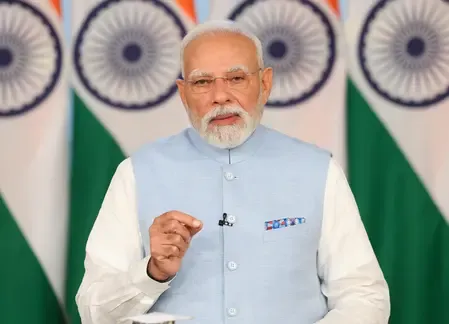
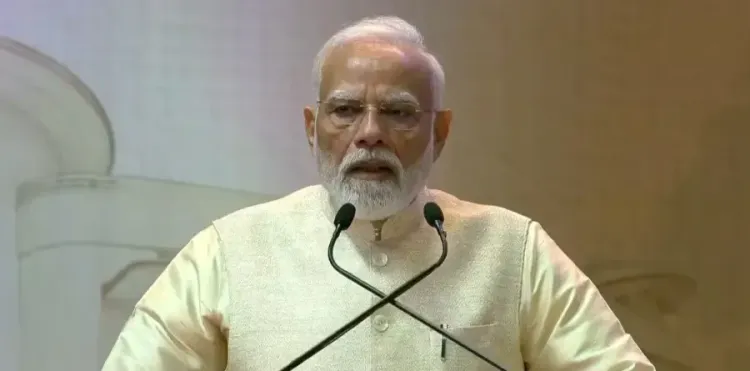
Prime Minister Narendra Modi on 1 October 2026 attended the centenary celebrations of the Union Public Service Commission (UPSC) at Bharat Mandapam, New Delhi, marking exactly 100 years since India's first Public Service Commission was constituted on 1 October 1926. Calling the occasion a milestone beyond mere institutional anniversary, Modi described the UPSC's journey as 'a celebration of the aspiration that millions of young people live every year' and 'the trust that every Indian has in this institution.'
Commemorative Releases at the Event
On the occasion, Prime Minister Modi released three commemorative items: a UPSC Centenary Commemorative Coin, a commemorative postage stamp, and a book titled '100 Landmark Judgements — Shaping the Policies of UPSC and Public Service Commissions in India'. The book compiles a century's worth of significant legal and administrative rulings that have shaped how the UPSC and state commissions operate.
The Prime Minister also visited a gallery set up at the venue tracing the commission's history, urging other attendees to do the same. 'It will take only 10–15 minutes, so please do take a look,' he said.
PM Modi Pays Tribute to Bose and Sardar Patel
Reflecting on the institution's pre-Independence roots, Modi recalled that Netaji Subhas Chandra Bose appeared in the civil services examination in 1920 — a record he noted was preserved in the gallery — and that Bose had written his paper in Sanskrit, even under British administration. 'At that time, there was British rule, but they used to have papers in Sanskrit,' Modi observed.
He also invoked Sardar Vallabhbhai Patel, crediting him with forging the 'steel frame' of independent India's civil services. 'Sardar Vallabhbhai Patel had given that steel frame. He made this institution a main pillar of independent India and empowered it,' the Prime Minister said.
Modi Hails Indian Pilot Captain Smit Machchhar
In a notable departure from the UPSC theme, PM Modi used the platform to publicly praise Captain Smit Machchhar, an Indian national employed with flydubai — the budget carrier affiliated with Emirates Airlines — for an act of bravery on Wednesday that reportedly averted a major airborne incident. Modi described the act as preventing 'a 9/11-style tragedy,' citing a remark attributed to the Prime Minister of Israel on the matter.
'Captain Smit of India demonstrated remarkable patience, presence of mind and courage,' Modi said. He added that he had personally spoken with the pilot's father Bhupendra, mother Gita, and wife Sonal, and noted that Machchhar was 'currently undergoing treatment.' Modi called on citizens to pray for his recovery and 'salute Smit, who has brought glory to India.'
UPSC's Century: From Advisory Body to Constitutional Institution
According to the Press Information Bureau, the UPSC's institutional journey began on 1 October 1926, when India's first Public Service Commission was established as an advisory body under the British administration, with its chairman and members appointed by the Secretary of State in London. Over the following century, the commission evolved significantly in structure, status, and responsibilities, ultimately becoming an independent constitutional body.
The centenary programme drew stakeholders from across the country, including chairmen and members of State Public Service Commissions, senior Government of India officers, academicians, UPSC officials, and other dignitaries. The event was part of a two-day programme held on 30 September and 1 October, culminating year-long centenary celebrations that began on 1 October 2025.
As the UPSC enters its second century, the occasion prompted reflection on how the institution must adapt — balancing the demands of a rapidly changing public administration landscape while preserving the merit-based neutrality that has been its defining feature.
Point of View
Psychological-assessment frameworks, and representation outcomes face legitimate scrutiny. Modi's invocation of Bose and Patel is evocative, but the more pressing question is structural: does a system designed in 1926 optimally select for the governance challenges of 2026? The Prime Minister's pivot to Captain Smit Machchhar — however warranted as a national moment — also illustrates how ceremonial occasions increasingly carry dual messaging, blending institutional pride with real-time patriotic symbolism.
NationPress
1 Oct 2026
Frequently Asked Questions
Why is the UPSC centenary being celebrated in 2026?
The Union Public Service Commission completes 100 years on 1 October 2026, marking the date in 1926 when India's first Public Service Commission was constituted under British rule as an advisory body. Year-long celebrations began on 1 October 2025 and culminated with the Bharat Mandapam event addressed by PM Modi.
What did PM Modi release at the UPSC centenary event?
PM Modi released three commemorative items: a UPSC Centenary Commemorative Coin, a commemorative postage stamp, and a book titled '100 Landmark Judgements — Shaping the Policies of UPSC and Public Service Commissions in India.' He also visited an exhibition gallery tracing the commission's century-long history.
Who is Captain Smit Machchhar and why did PM Modi mention him?
Captain Smit Machchhar is an Indian national working as a pilot with flydubai, the budget affiliate of Emirates Airlines. PM Modi praised him for reportedly preventing a major airborne incident on Wednesday, describing it as averting 'a 9/11-style tragedy' — a characterisation he attributed to the Prime Minister of Israel. Modi said he personally spoke with Machchhar's family and urged citizens to pray for his recovery.
What is the historical significance of the UPSC?
The UPSC began on 1 October 1926 as an advisory body under British administration, with its chairman and members appointed by the Secretary of State in London. Over the following century it evolved into an independent constitutional body, becoming the primary institution for recruiting officers to India's civil, foreign, and defence services.
What connection did PM Modi draw between the UPSC and Netaji Subhas Chandra Bose?
PM Modi noted that Netaji Subhas Chandra Bose appeared in the civil services examination in 1920 — a record preserved in the gallery at the event — and that Bose had written his paper in Sanskrit despite being under British rule. Modi used this to highlight the institution's deep historical roots and its links to India's freedom movement leadership.