PM Modi marks 25 years in elected office with gratitude
Synopsis
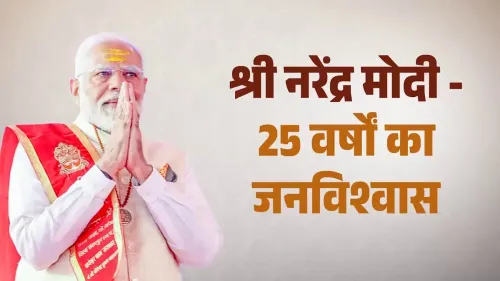
Prime Minister Narendra Modi marked 25 years of unbroken electoral service on 7 October 2026, saying the trust of 140 crore Indians drives him to serve with even greater energy. The post blends Hindi devotional idiom with an English close, framing political longevity as a pledge of seva — service.
Key Takeaways
Prime Minister Narendra Modi posted on 7 October 2026 to mark 25 years of continuous elected public service.
He described the popular mandate as janta-janardan — citizens cast in a devotional, near-divine framing — and pledged deepened service.
Modi's electoral arc began as Gujarat Chief Minister in 2001 and spans three successive terms as Prime Minister ( 2014, 2019, 2024 ).
The post cited the trust and affection of 140 crore Indians as his greatest source of strength.
No policy announcement was made; the post is entirely framed around gratitude and a forward-pledging resolve to serve.
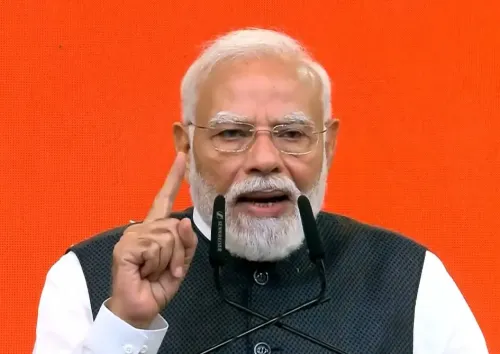
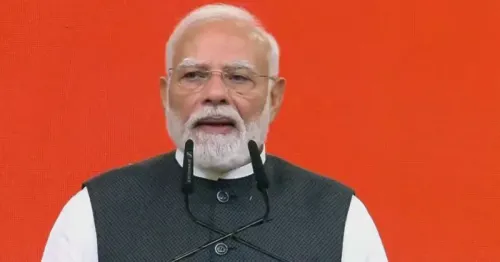
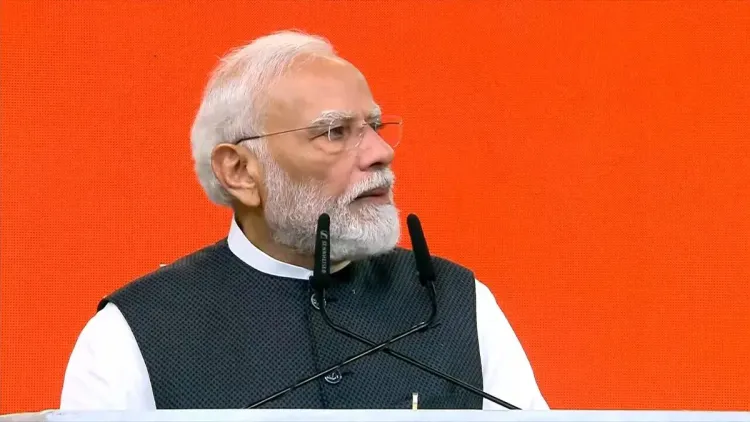
Twenty-five years of unbroken public trust — and Prime Minister Narendra Modi says it only sharpens his resolve to serve. On Wednesday, 7 October 2026, Modi took to X to mark a personal political milestone: a quarter-century of the people's mandate, framed not as a celebration of power but as a renewed charge.
Writing in a blend of Hindi and English, Modi offered: '25 वर्षों का जनविश्वास मेरे लिए और अधिक ऊर्जा के साथ काम करने की प्रेरणाशक्ति है' — 'The public trust of 25 years is the driving force for me to work with even greater energy.' He described the electorate in the devotional idiom janta-janardan, a Sanskrit phrase casting citizens as a manifestation of the divine, and stated his singular resolve: to serve the people of the country even more. He closed in English — 'What greater strength can there be than the trust and affection of 140 crore Indians?' — underscoring both the scale of the mandate he invokes and the bilingual, pan-India register he routinely deploys.
A 25-year arc: from Gujarat CM to three-term Prime Minister
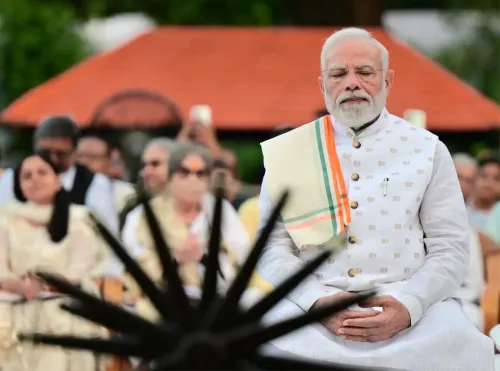
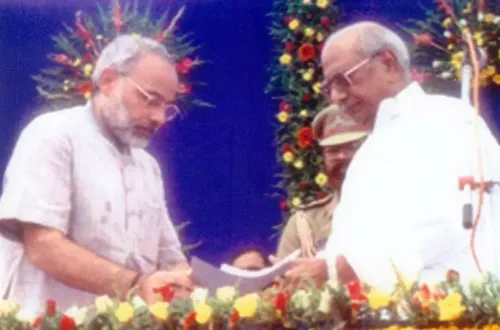
Modi's electoral journey began in October 2001 when he was sworn in as Chief Minister of Gujarat, a post he would hold for over a decade before leading the Bharatiya Janata Party to a landmark Lok Sabha majority in 2014. He was re-elected as Prime Minister in 2019 and again in 2024, making him one of the longest-continuously-serving elected leaders in post-Independence India. The reference to 25 years of 'jan vishwas' — people's trust — spans that entire arc, from state-level governance to three successive national mandates.
The language of 'seva': how Modi frames political longevity
The framing is deliberate and consistent with Modi's long-established political idiom. Rather than citing legislative achievements or policy milestones, the post grounds longevity in a vocabulary of service — seva — and devotion, casting the relationship between leader and citizen as almost sacred. The invocation of janta-janardan is not incidental; it positions voters as the true sovereign, a rhetorical posture Modi has maintained from his earliest campaigns. It is a register that transcends party and speaks directly to a broad cross-section of Indian cultural sensibility.
The post carries no policy announcement, no electoral signal, and no target — only gratitude and a forward-facing pledge. Yet in its quiet confidence, it marks something real: two and a half decades of an unbroken electoral presence that has reshaped Indian politics.
For a leader who built his brand on relentless momentum, the message is characteristically brief — and the silence around it speaks loudest of all.
Point of View
Almost apolitical register that is difficult to contest. The invocation of 140 crore Indians also signals continuity: he is not speaking to a base, but to a national constituency. Coming mid-term in his third government, the post functions less as a retrospective and more as a soft reaffirmation of mandate — reminding both allies and rivals that his political capital remains framed in the language of popular legitimacy rather than institutional authority.
NationPress
7 Oct 2026
Frequently Asked Questions
Why is PM Modi marking 25 years in 2026?
Modi was first sworn in as Chief Minister of Gujarat in October 2001, making October 2026 the 25th anniversary of his continuous stint in elected executive office, spanning Gujarat CM and three terms as Prime Minister.
What does 'janta-janardan' mean?
'Janta-janardan' is a Sanskrit phrase that translates roughly as 'the people as God' — it casts citizens in a devotional light, treating the popular will as a divine force. Modi frequently uses the term to frame his relationship with voters.
How many times has Narendra Modi been elected Prime Minister?
Narendra Modi has been elected Prime Minister three times — in 2014, 2019, and 2024 — each time leading the BJP to a Lok Sabha majority or coalition government.
What did PM Modi say on his 25-year political anniversary?
Modi said the 25 years of public trust inspire him to work with even greater energy, pledged to serve the people of India even more, and asked rhetorically: 'What greater strength can there be than the trust and affection of 140 crore Indians?'
What is the significance of PM Modi referencing 140 crore Indians?
Citing 140 crore Indians — India's approximate population — is a rhetorical device Modi uses to signal that he draws his mandate from the entire nation rather than a party base or a specific region, reinforcing a pan-India leadership identity.