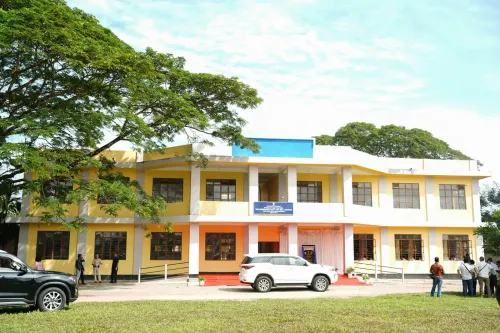
CM Conrad Sangma inspects ₹9.4 Cr indoor hall in Williamnagar
Synopsis
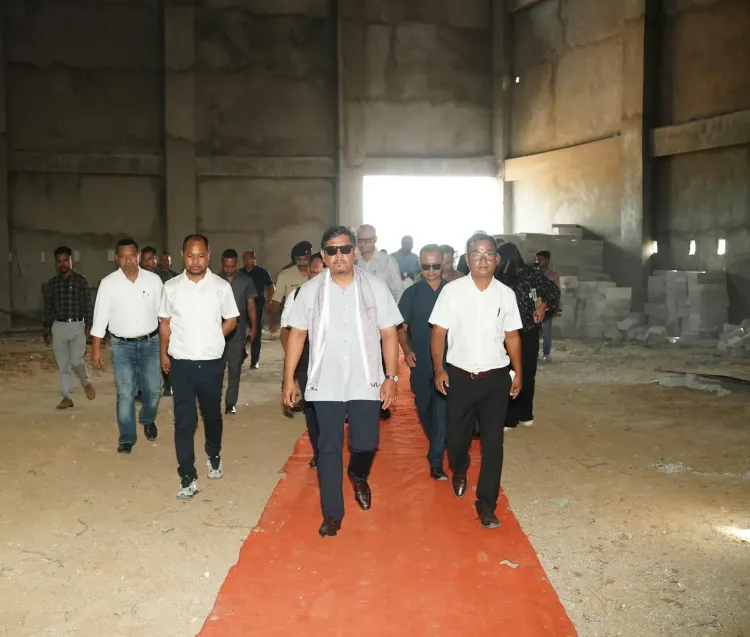
Meghalaya CM Conrad Sangma inspected the ₹9.4 crore Multipurpose Indoor Hall under construction in Williamnagar, East Garo Hills, flagging it as both a National Games preparation asset and a long-term district coaching hub for Garo Hills athletes.
Key Takeaways
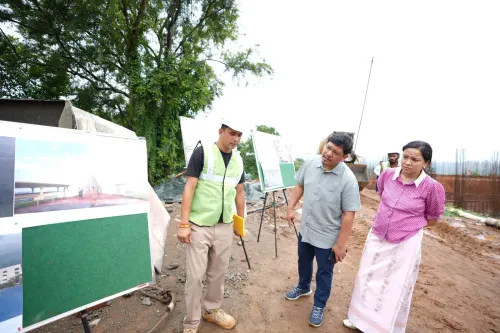
Meghalaya CM Conrad Sangma personally inspected the Multipurpose Indoor Hall construction site in Williamnagar, East Garo Hills on 29 October 2026 .
The facility carries a government investment of ₹9.4 crore and will provide modern indoor training and competition infrastructure.
The hall is positioned as preparation infrastructure for the National Games , which Meghalaya is set to host next year.
Beyond the Games, it will function as a district-level hub for coaching, talent identification , training camps, and community sports.
Union Sports Minister Mansukh Mandviya was tagged in Sangma's post, indicating central-state coordination on the project.
The initiative aligns with the Khelo India programme's push to decentralise sports infrastructure into smaller towns across Northeast India.
A ₹9.4 crore multipurpose indoor hall rising in Williamnagar, East Garo Hills, got a high-level review on Thursday, 29 October 2026 — Meghalaya Chief Minister Conrad Sangma walked the construction site himself, then sat down with local athletes to hear what they need most.
What the ₹9.4 Crore facility promises East Garo Hills athletes
For young athletes in the Garo Hills region, the tyranny of distance has long been the biggest opponent. Serious training has meant long, expensive journeys to Shillong or beyond — a filter that quietly weeds out talent before it ever gets a fair shot. The Williamnagar indoor hall is designed to break that pattern: modern training floors and competition-grade infrastructure placed, for the first time, on home turf.
CM Sangma framed the facility's purpose in his post, noting it will serve as 'a district-level centre for regular coaching, talent identification, training camps, competitions and community sports.' The hall, he emphasised, will outlast any single event — creating durable pathways for athletes to 'train, compete and excel.'
National Games on the horizon — and a longer play beyond them
Meghalaya is scheduled to host the National Games — India's largest multi-sport national championship — next year, and the Williamnagar hall feeds directly into that preparation. But Sangma was careful to anchor the facility's value beyond the Games window: district-level coaching cycles, talent-scouting drives, and regular competitive fixtures are all explicitly in the blueprint.
That framing matters. States across Northeast India have historically built event-ready venues that go quiet the moment the closing ceremony ends. Anchoring the Williamnagar hall to a district sports ecosystem — not just a one-time hosting obligation — signals an intent to avoid that fate.
Khelo India's Northeast push and the Mandviya connection
The post tags Union Sports Minister Mansukh Mandviya, a pointed signal that state and central governments are aligned on the project. That alignment matters for funding: the Khelo India programme, launched in 2017, has channelled dedicated resources toward district-level sports infrastructure in smaller towns, with Northeastern states receiving targeted allocations to offset the region's geographic isolation from mainstream coaching networks.
The East Garo Hills district, predominantly home to the Garo tribal community, sits among Meghalaya's eleven districts that have historically received fewer organised sports facilities than the state capital belt. A fully commissioned indoor hall here could serve as a template for the remaining districts.
The hall's completion timeline was not specified in the post — but the Chief Minister's personal inspection, and the explicit tag to the Union Sports Ministry, suggest the project's delivery is being watched from the top of both the state and central governments. For athletes in Williamnagar, the stakes could not be more local — or more real.
Point of View
It would mark a meaningful step in decentralising Meghalaya's sports ecosystem away from Shillong. The Khelo India framework gives this model a replicable template, making Williamnagar a test case for the remaining Garo Hills districts.
NationPress
29 Oct 2026
Frequently Asked Questions
What is the Multipurpose Indoor Hall being built in Williamnagar?
It is a government-funded indoor sports facility in Williamnagar, the headquarters of East Garo Hills district in Meghalaya, built at a cost of ₹9.4 crore . It will provide training floors, competition infrastructure, and serve as a coaching and talent-identification centre for local athletes.
Why did Conrad Sangma visit Williamnagar on 29 October 2026?
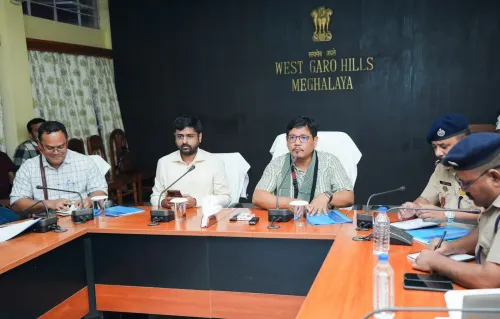
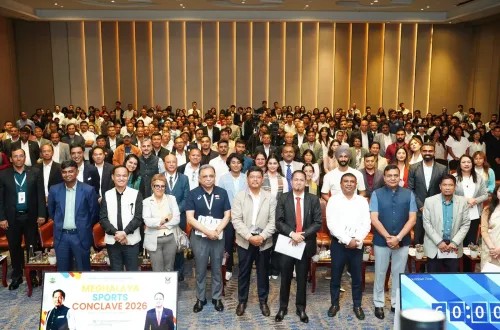
Meghalaya Chief Minister Conrad Sangma visited to inspect the ongoing construction of the Multipurpose Indoor Hall and interact directly with sportspersons from the East Garo Hills district.
What is the connection between the Williamnagar hall and the National Games?
Meghalaya is scheduled to host the National Games next year, and the Williamnagar facility forms part of the state's sports infrastructure preparation. However, CM Sangma has stressed the hall will continue as a district sports hub well beyond the Games.
What is the Khelo India programme and how does it relate to this project?
Launched in 2017 , Khelo India is a central government scheme aimed at building district-level sports infrastructure across India, with targeted funding for Northeastern states. The Williamnagar hall aligns with its objective of decentralising training away from state capitals.
Why is Mansukh Mandviya tagged in Conrad Sangma's post about the Williamnagar hall?
Mansukh Mandviya is the Union Minister for Youth Affairs and Sports, responsible for national sports policy and central schemes like Khelo India. Tagging him signals coordination between the Meghalaya state government and the central sports ministry on this infrastructure project.