CM Conrad Sangma Marks 80th Independence Day at Shillong's Lok Bhavan
Synopsis
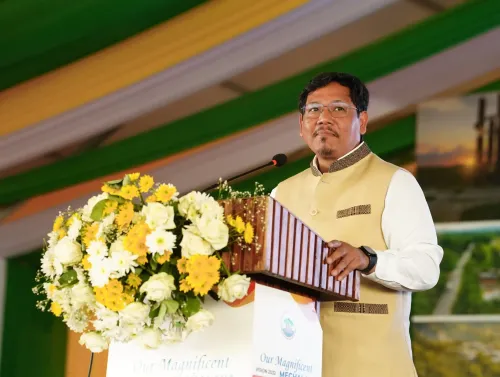
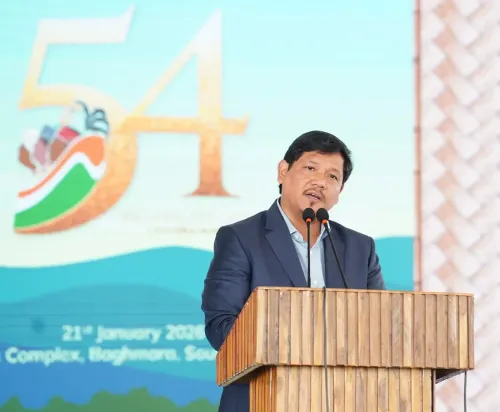
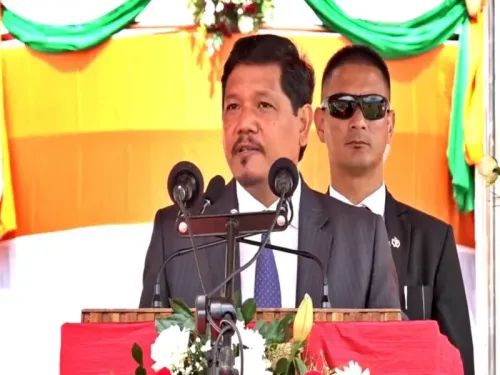
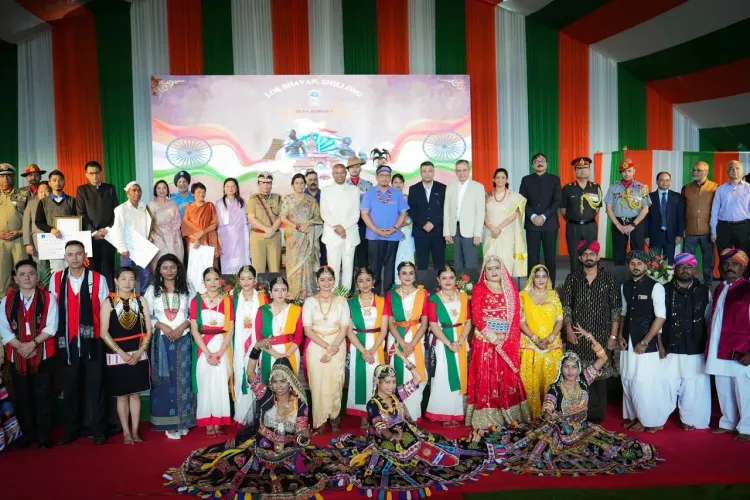
Meghalaya Chief Minister Conrad Sangma attended the 80th Independence Day celebrations at Lok Bhavan, Shillong on 15 August 2026, calling it a celebration of India's diversity and unity. The event marks eight decades of Indian independence.
Key Takeaways
Conrad Sangma , Chief Minister of Meghalaya and NPP national president, attended the 80th Independence Day celebrations on 15 August 2026 .
The event was held at Lok Bhavan, Shillong , the state's primary official government venue.
Sangma described the occasion as 'a celebration of the diversity and unity of our great nation.' Meghalaya is home to multiple tribal communities — Khasi, Jaintia, and Garo — making the unity-in-diversity theme especially significant.
Independence Day observances in Meghalaya traditionally involve the Chief Minister and senior state officials in a formal flag-hoisting ceremony.
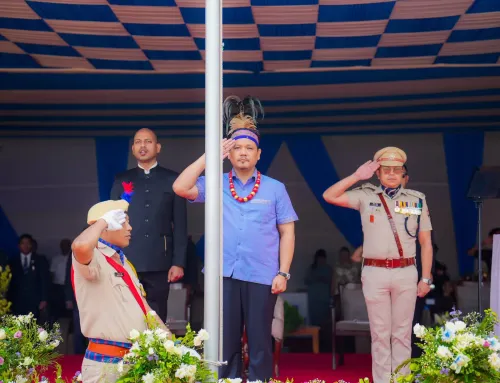
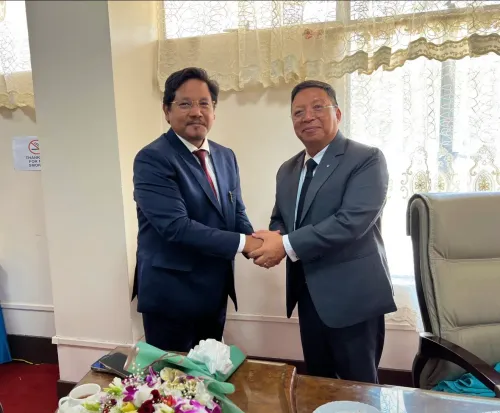
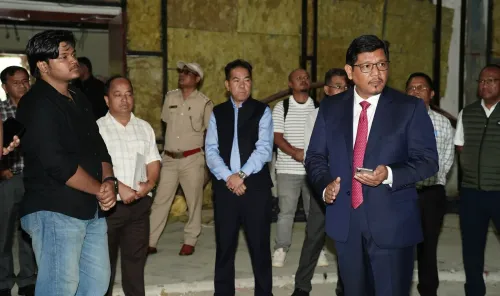
Amid the tricolour unfurling and the sounds of national pride echoing through the hills of Meghalaya, Meghalaya Chief Minister Conrad Sangma joined citizens at Lok Bhavan, Shillong, on 15 August 2026 to mark the country's 80th Independence Day — a milestone year in India's post-independence journey.
Sangma described the occasion as 'a celebration of the diversity and unity of our great nation,' a phrase that carries particular resonance in Meghalaya — a state whose identity is woven from dozens of tribal communities, languages, and traditions, yet remains firmly anchored to the Indian republic.
Lok Bhavan: Meghalaya's Stage for National Moments
Lok Bhavan in Shillong serves as the state's primary official venue for government-level events of this scale. Independence Day observances here typically bring together the Chief Minister, senior officials, and representatives of civil society in a formal flag-hoisting ceremony, followed by a cultural programme that reflects the state's rich heritage.
80 Years On: Unity in a State Built on Diversity
The 80th Independence Day marks eight decades since India's freedom from British rule — a moment states across the country mark with their own distinct flavour. In Meghalaya, that flavour is unmistakably plural: a Christian-majority state in India's northeast, home to the Khasi, Jaintia, and Garo communities, where the idea of 'unity in diversity' is not a slogan but a lived reality. Sangma, as both Chief Minister and national president of the National People's Party (NPP), leads a state that has long been a model of regional identity coexisting with national belonging.
State-level Independence Day events across India serve as an annual reaffirmation of the federal compact — a moment for elected leaders to speak directly to citizens about shared nationhood, even as regional identities remain strong.
Eighty years in, Meghalaya's hills still echo with that promise.
Point of View
He uses such platforms to reinforce the party's positioning as a regional force fully committed to the Indian federal framework. In India's northeast — where questions of identity, autonomy, and belonging have historically been complex — a Chief Minister publicly celebrating national unity is also a statement of political intent. The 80th anniversary year adds symbolic heft, inviting reflection on how far states like Meghalaya have travelled within the republic. For the NPP, which operates across several northeastern states, such moments help build a narrative of responsible, nationally-aligned regional governance.
NationPress
30 Sept 2026
Frequently Asked Questions
Where did Conrad Sangma attend Independence Day 2026 celebrations?
Conrad Sangma attended the 80th Independence Day celebrations at Lok Bhavan in Shillong, Meghalaya, on 15 August 2026.
What is Lok Bhavan in Shillong?
Lok Bhavan is the official government venue in Shillong used for major state-level events, including Independence Day flag-hoisting ceremonies.
What did Conrad Sangma say about Independence Day 2026?
Sangma described the event as 'a celebration of the diversity and unity of our great nation.'
Which party does Conrad Sangma lead?
Conrad Sangma is the national president of the National People's Party (NPP) and serves as Chief Minister of Meghalaya.
Why is the 2026 Independence Day significant?
15 August 2026 marks India's 80th Independence Day, commemorating eight decades since the country's independence from British rule in 1947.