CM Sawant Backs Modi's Compassion Call, Urges Goa Youth to Choose Nation-Building
Synopsis
Goa Chief Minister Pramod Sawant on 1 August 2026 praised PM Narendra Modi's compassionate response to abusive language during protests and urged Goa's youth to reject divisive rhetoric, embrace respectful dialogue, and channel their energy toward Viksit Goa and Viksit Bharat.
Key Takeaways
Goa CM Pramod Sawant posted on 1 August 2026 praising PM Modi's response to abusive language during recent protests.
Sawant said Modi chose 'compassion over anger,' expressing concern for misguided youth rather than reacting with hostility.
He directly appealed to Goa's youth to reject 'abusive language, misinformation, and negativity' in favour of respectful, responsible civic participation.
The post invokes both Viksit Goa and Viksit Bharat — the state and national BJP development visions — as the constructive alternative to divisive narratives.
Viksit Bharat , PM Modi's vision for a developed India by 2047 , has anchored BJP communication since Independence Day 2022 .
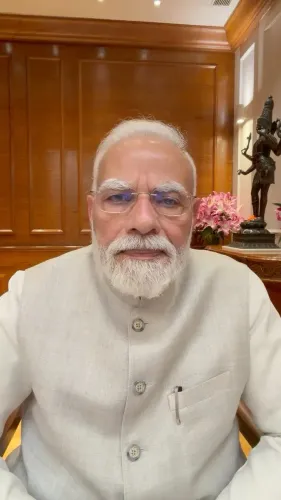
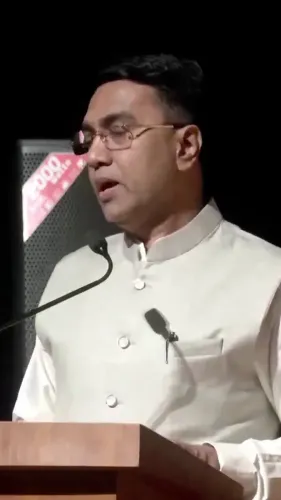
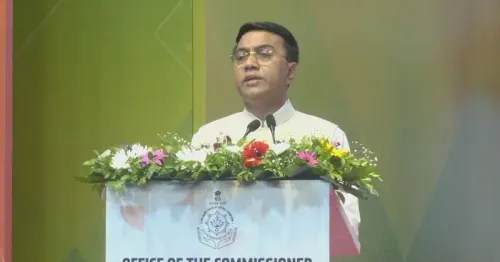
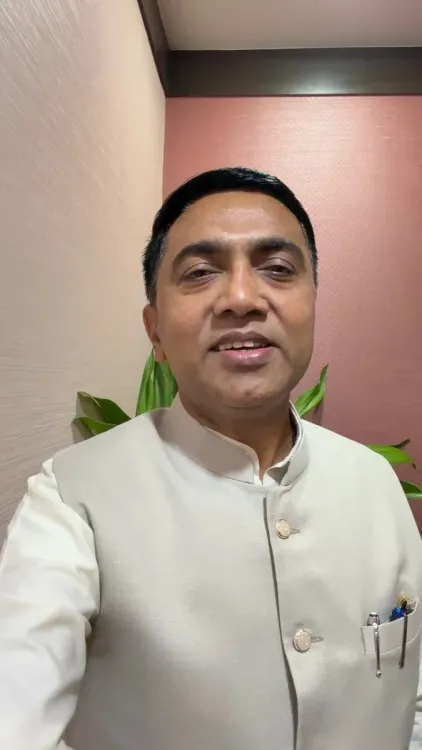
When abusive language met the Prime Minister, Goa Chief Minister Pramod Sawant says the response that came back was not anger — it was concern. On Saturday, 1 August 2026, Sawant took to X to amplify what he described as a defining moment of leadership, urging the youth of Goa to draw lessons from Prime Minister Narendra Modi's measured reaction to hostility during recent protests.
Sawant's post praises Modi for choosing 'compassion over anger' after being subjected to 'abusive and obscene language' during the protests, noting that the Prime Minister expressed worry for the young people involved and appealed for patience, empathy, and understanding from the nation. 'He believed they have been misguided,' Sawant wrote, framing the episode not as a political flashpoint but as a moment for civic reflection.
Sawant's Direct Appeal to Goan Youth
The Chief Minister did not stop at endorsing Modi's stance. He turned the message into a direct appeal: reject 'abusive language, misinformation, and negativity,' and instead embrace 'respectful dialogue, responsible citizenship, and constructive participation in democracy.' The language is deliberate — aimed squarely at young Goans who, Sawant implies, risk being 'diverted by divisive narratives.'
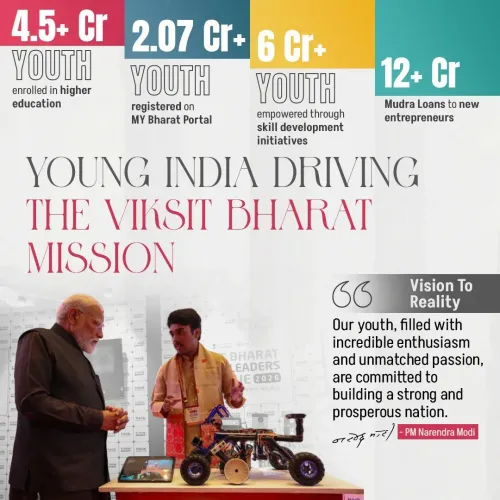
In its place, he invoked the twin visions of Viksit Goa and Viksit Bharat — the state and national development frameworks that BJP-led governments have championed as the constructive alternative to protest politics. The call to 'channel them towards innovation and nation-building' is a signature formulation: redirect youthful energy from the street into the development pipeline.
Viksit Bharat as the Counternarrative
Viksit Bharat — Prime Minister Modi's vision for transforming India into a developed nation by 2047 — has been a centrepiece of Independence Day addresses since 2022. Goa's government has consistently aligned its own state-level targets under the same umbrella, branding local ambitions as Viksit Goa. Sawant's post slots neatly into that pattern: a state BJP leader reinforcing a central message, using a moment of political tension to pivot back to the development narrative.
This is not an isolated move. Across BJP-governed states, leaders have repeatedly responded to periods of public unrest or electoral mobilisation by contrasting 'divisive rhetoric' with the constructive promise of national growth goals — a choreography that has become a recognisable feature of the party's communication playbook.
Whether the Goa government follows up with concrete youth outreach — digital literacy drives, innovation platforms, or responsible citizenship programmes — will determine whether this post marks the start of a campaign or remains a moment of political messaging. The pitch has been made. The proof will be in the programme.
Point of View
And the development vision — Viksit Bharat — is positioned as the only legitimate outlet for youthful ambition. The move serves a dual purpose: it shores up Modi's image as a statesman above the fray while simultaneously delegitimising protest as 'divisive.' Whether this resonates with Goan youth or reads as political deflection will depend heavily on whether concrete follow-up programmes materialise — rhetoric without action rarely holds.
NationPress
1 Aug 2026
Frequently Asked Questions
What did Goa CM Pramod Sawant say about PM Modi and the protests?
Sawant praised Modi for responding to abusive language during recent protests with compassion rather than anger, saying the PM expressed concern for misguided youth and appealed for patience and empathy from the nation.
What did CM Sawant appeal to Goa's youth?
Sawant urged Goa's youth to reject abusive language, misinformation, and negativity, and instead embrace respectful dialogue, responsible citizenship, and constructive democratic participation.
What is the Viksit Bharat vision?
Viksit Bharat is PM Narendra Modi's national vision for making India a fully developed nation by 2047, first highlighted in Independence Day addresses from 2022 onward, focusing on economic growth, innovation, and inclusive development.
Why is CM Sawant's post politically significant?
It reflects a broader BJP pattern of using moments of public unrest to contrast 'divisive rhetoric' with the party's development narrative, reinforcing central messaging at the state level during a sensitive political period.